Salzburg Austria, bus tour
Austria
287
Cruises availables
At departure or passage at this port
AmaWaterways (124 Cruises)
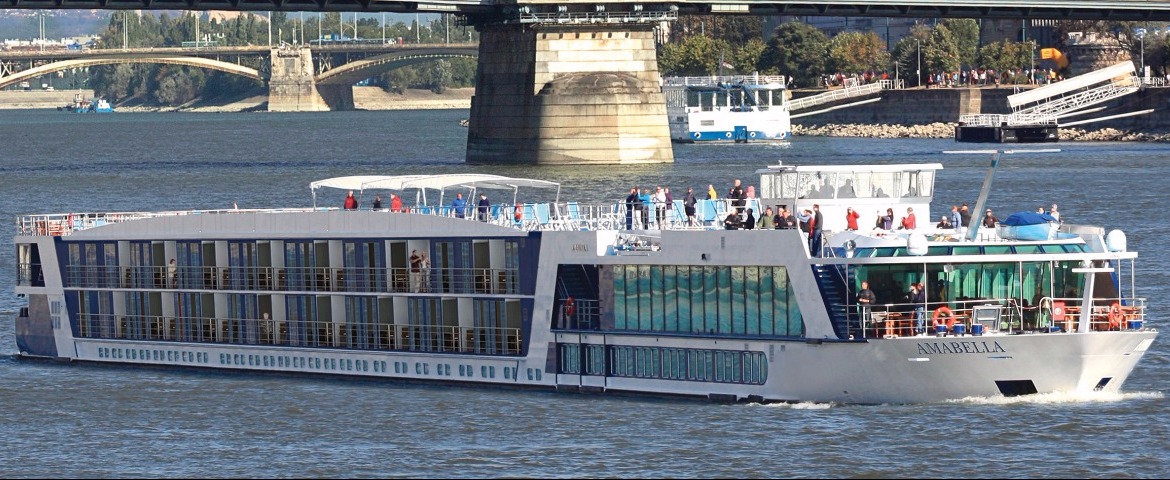

AmaLea
14 Cruises
| 13 March | 7 nights | One-way from Vilshofen an der Donau to Budapest |
450-628-6241
Call us
|
| 27 March | 7 nights | One-way from Vilshofen an der Donau to Budapest |
450-628-6241
Call us
|
| 14 August | 7 nights | One-way from Vilshofen an der Donau to Budapest |
450-628-6241
Call us
|
| 28 August | 7 nights | One-way from Vilshofen an der Donau to Budapest |
450-628-6241
Call us
|
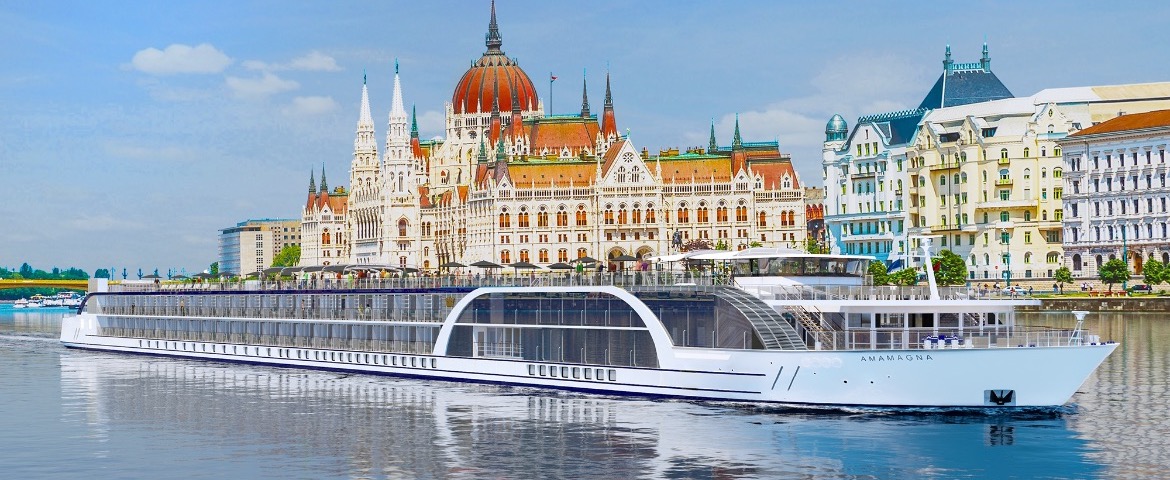
AmaMagna
13 Cruises
| 7 November | 7 nights | One-way from Vilshofen an der Donau to Budapest |
450-628-6241
Call us
|
| 28 November | 7 nights | One-way from Budapest to Vilshofen an der Donau |
450-628-6241
Call us
|
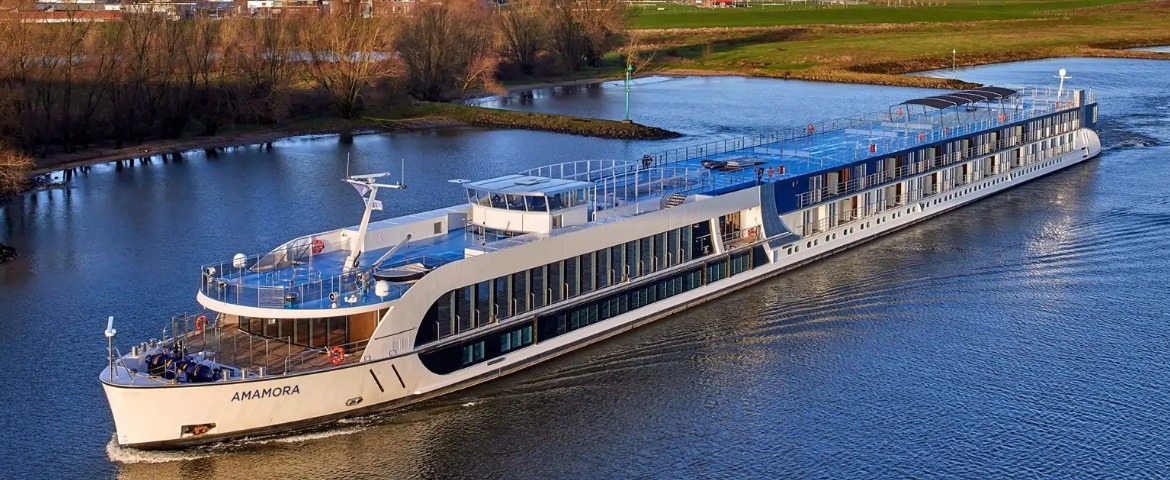
AmaMora
26 Cruises
| 13 February | 7 nights | One-way from Budapest to Vilshofen an der Donau |
450-628-6241
Call us
|
| 27 February | 7 nights | One-way from Budapest to Vilshofen an der Donau |
450-628-6241
Call us
|
| 3 April | 7 nights | One-way from Vilshofen an der Donau to Budapest |
450-628-6241
Call us
|
| 17 April | 7 nights | One-way from Vilshofen an der Donau to Budapest |
450-628-6241
Call us
|
| 12 June | 7 nights | One-way from Vilshofen an der Donau to Budapest |
450-628-6241
Call us
|
| 26 June | 7 nights | One-way from Vilshofen an der Donau to Budapest |
450-628-6241
Call us
|
| 4 September | 7 nights | One-way from Vilshofen an der Donau to Budapest |
450-628-6241
Call us
|
| 18 September | 7 nights | One-way from Vilshofen an der Donau to Budapest |
450-628-6241
Call us
|
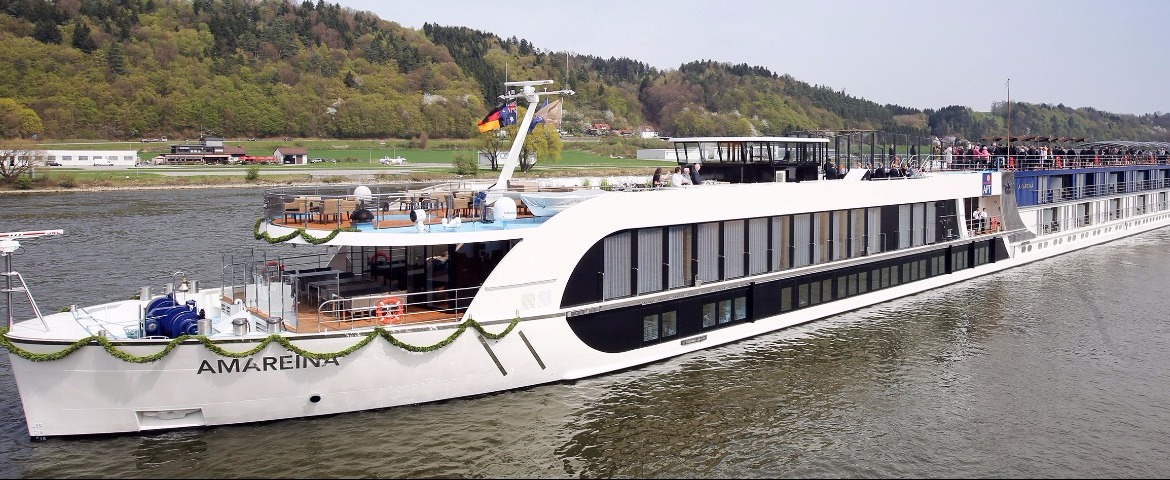
AmaReina
23 Cruises
| 7 April | 7 nights | One-way from Vilshofen an der Donau to Budapest |
450-628-6241
Call us
|
| 21 April | 7 nights | One-way from Vilshofen an der Donau to Budapest |
450-628-6241
Call us
|
| 5 May | 7 nights | One-way from Nuremberg to Budapest |
450-628-6241
Call us
|
| 19 May | 7 nights | One-way from Nuremberg to Budapest |
450-628-6241
Call us
|
| 14 July | 7 nights | One-way from Nuremberg to Budapest |
450-628-6241
Call us
|
| 28 July | 7 nights | One-way from Vilshofen an der Donau to Budapest |
450-628-6241
Call us
|
| 11 August | 7 nights | One-way from Vilshofen an der Donau to Budapest |
450-628-6241
Call us
|
| 25 August | 7 nights | One-way from Vilshofen an der Donau to Budapest |
450-628-6241
Call us
|
| 8 September | 7 nights | One-way from Vilshofen an der Donau to Budapest |
450-628-6241
Call us
|
| 22 September | 7 nights | One-way from Vilshofen an der Donau to Budapest |
450-628-6241
Call us
|
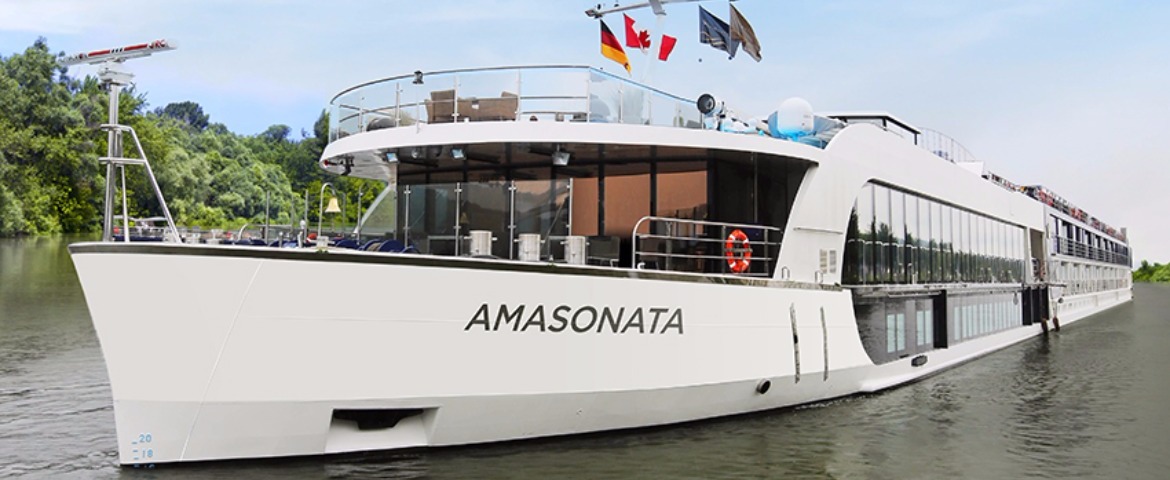
AmaSonata
16 Cruises
| 17 March | 7 nights | One-way from Vilshofen an der Donau to Budapest |
450-628-6241
Call us
|
| 31 March | 7 nights | One-way from Vilshofen an der Donau to Budapest |
450-628-6241
Call us
|
| 14 April | 7 nights | One-way from Vilshofen an der Donau to Budapest |
450-628-6241
Call us
|
| 28 April | 7 nights | One-way from Vilshofen an der Donau to Budapest |
450-628-6241
Call us
|
| 9 June | 7 nights | One-way from Nuremberg to Budapest |
450-628-6241
Call us
|
| 23 June | 7 nights | One-way from Vilshofen an der Donau to Budapest |
450-628-6241
Call us
|
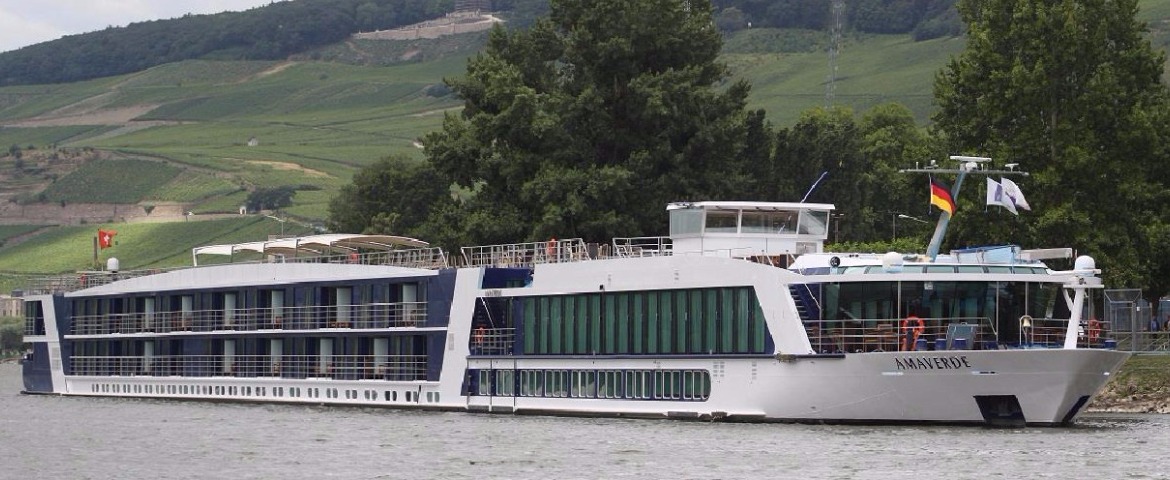
AmaVerde
26 Cruises
Avalon Waterways (19 Cruises)
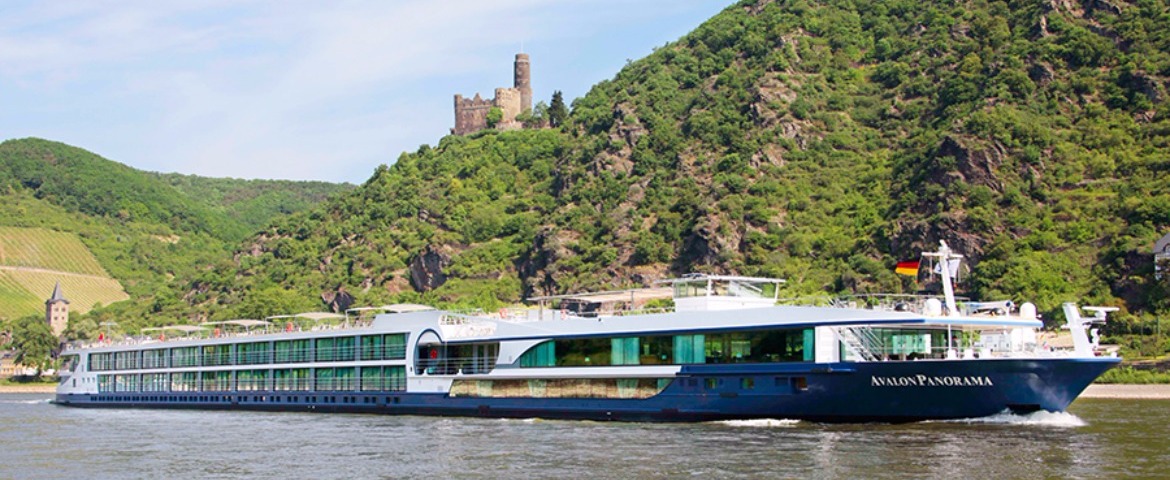
Avalon PanoramaSM
9 Cruises

| 5 May | 17 nights | One-way from Vienna to Amsterdam |
450-628-6241
Call us
|
| 19 May | 17 nights | One-way from Vienna to Amsterdam |
450-628-6241
Call us
|
Avalon VistaSM
10 Cruises
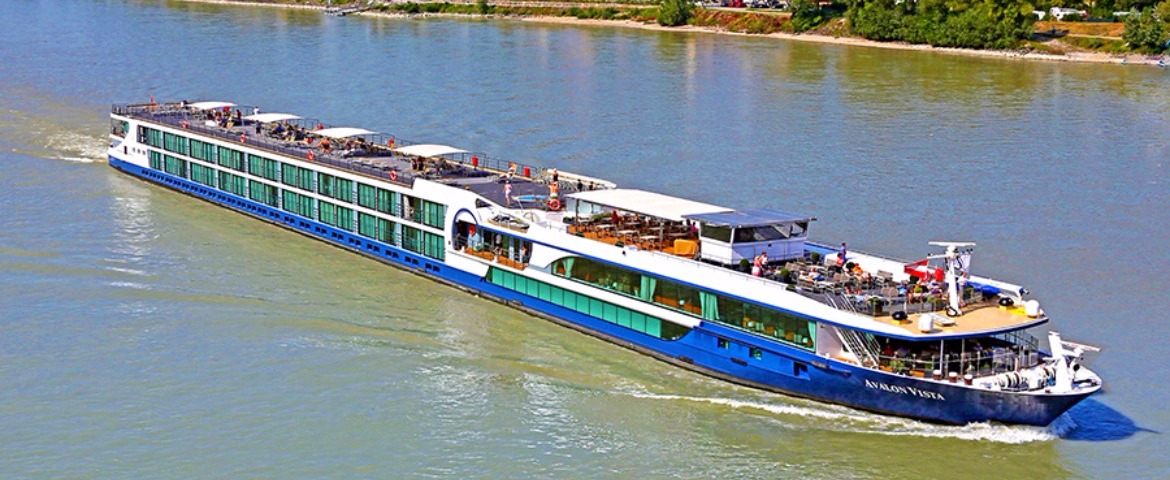
| 12 May | 17 nights | One-way from Vienna to Amsterdam |
450-628-6241
Call us
|
| 26 May | 17 nights | One-way from Vienna to Amsterdam |
450-628-6241
Call us
|
| 9 June | 17 nights | One-way from Vienna to Amsterdam |
450-628-6241
Call us
|
| 23 June | 17 nights | One-way from Vienna to Amsterdam |
450-628-6241
Call us
|
| 7 July | 17 nights | One-way from Vienna to Amsterdam |
450-628-6241
Call us
|
| 21 July | 17 nights | One-way from Vienna to Amsterdam |
450-628-6241
Call us
|
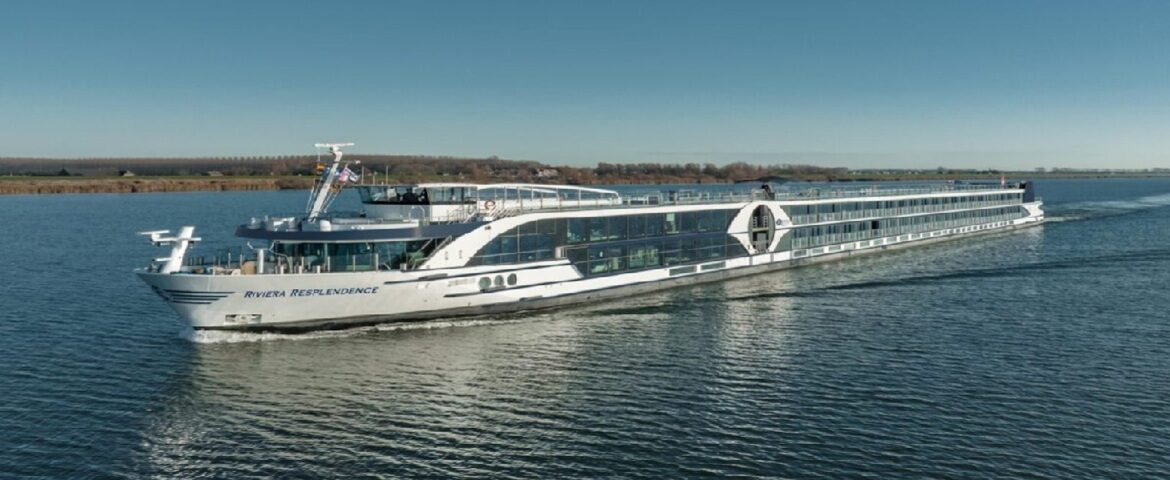
Riviera Travel (53 Cruises)
MS Geoffrey Chaucer
17 Cruises
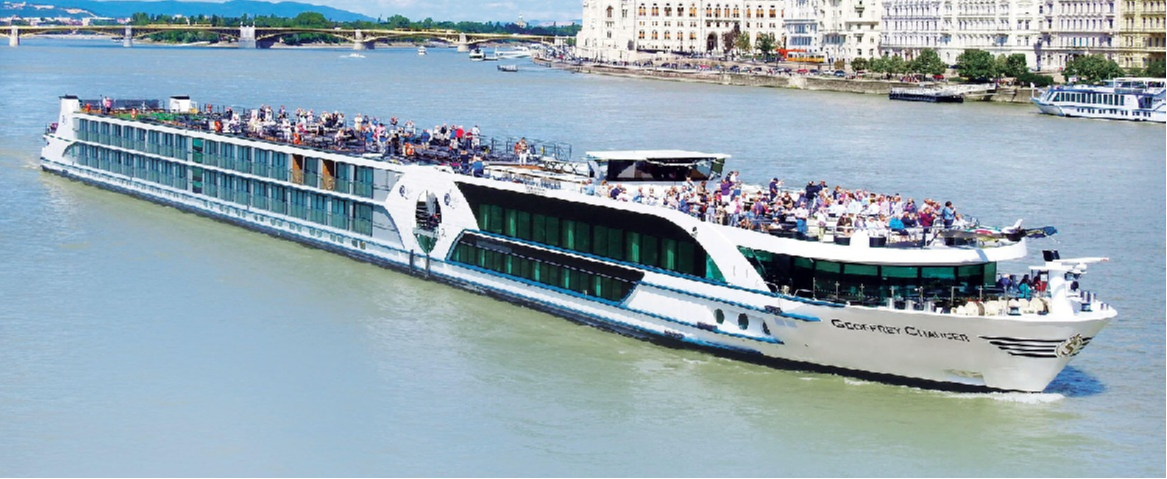

| 29 March | 7 nights | Round-trip from Budapest, Hungary |
450-628-6241
Call us
|
| 29 March | 7 days | Round-trip The Blue Danube River Cruise for Solo Travellers |
450-628-6241
Call us
|
| 17 May | 10 nights | One-way from Budapest to Vienna |
450-628-6241
Call us
|
| 24 May | 10 nights | One-way from Budapest to Vienna |
450-628-6241
Call us
|
| 21 June | 10 days | Round-trip The Blue Danube River Cruise with Budapest Extension |
450-628-6241
Call us
|
| 21 June | 10 nights | Round-trip from Budapest, Hungary |
450-628-6241
Call us
|
| 23 August | 10 nights | Round-trip from Budapest, Hungary |
450-628-6241
Call us
|
| 23 August | 10 days | Round-trip The Blue Danube River Cruise with Budapest Extension |
450-628-6241
Call us
|
MS George Eliot
20 Cruises
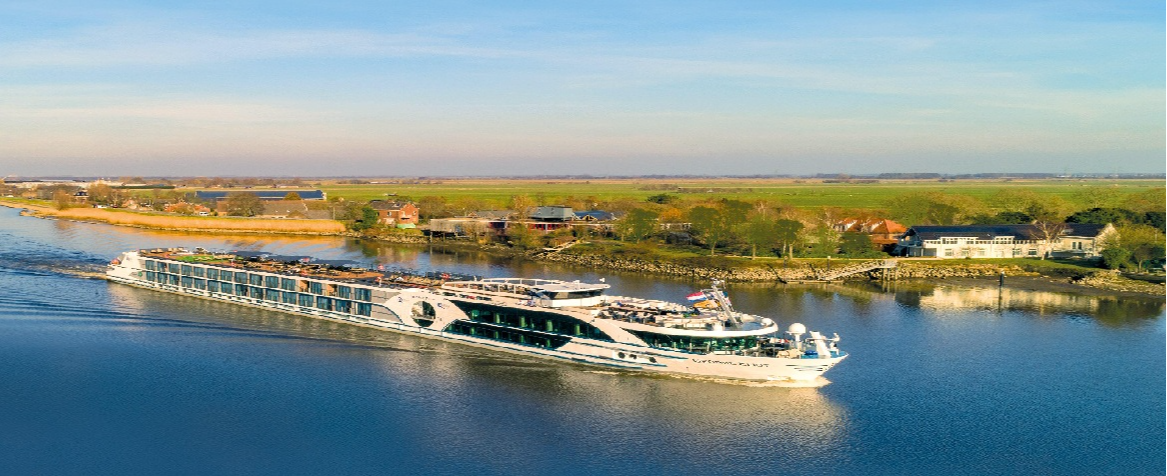
| 30 June | 7 days | Round-trip The Blue Danube River Cruise for Solo Travellers - MS George Eliot |
450-628-6241
Call us
|
| 30 June | 7 nights | Round-trip from Budapest, Hungary |
450-628-6241
Call us
|
| 27 October | 7 days | Round-trip The Blue Danube River Cruise for Solo Travellers - MS George Eliot |
450-628-6241
Call us
|
| 27 October | 7 nights | Round-trip from Budapest, Hungary |
450-628-6241
Call us
|
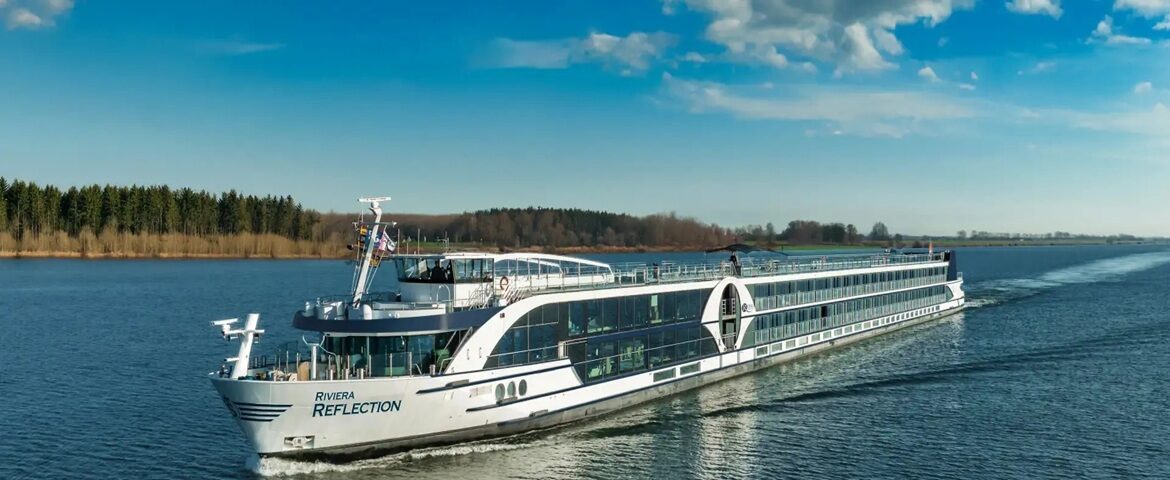
MS Riviera Reflection
13 Cruises
Tauck Cruises (45 Cruises)
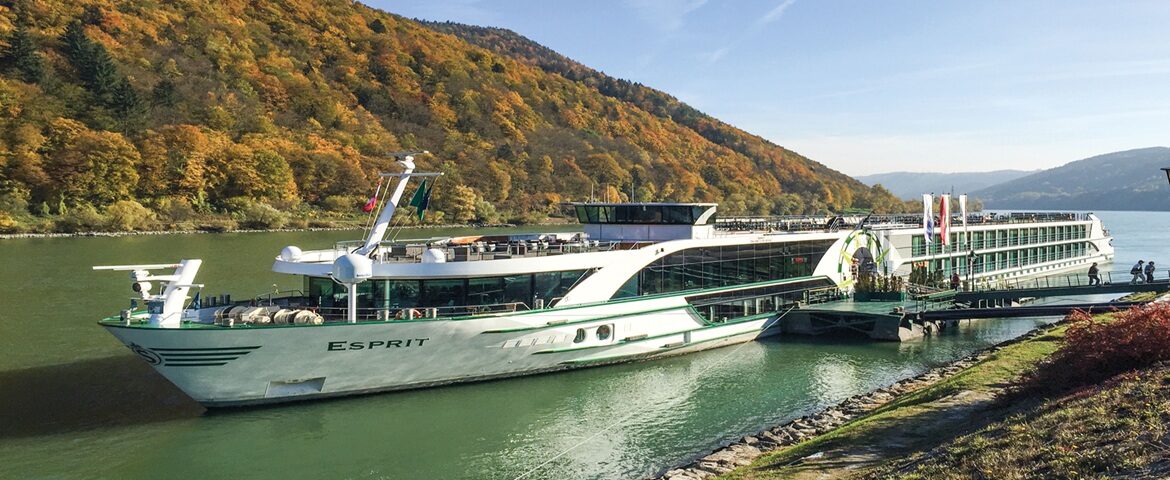

ms Joy
14 Cruises
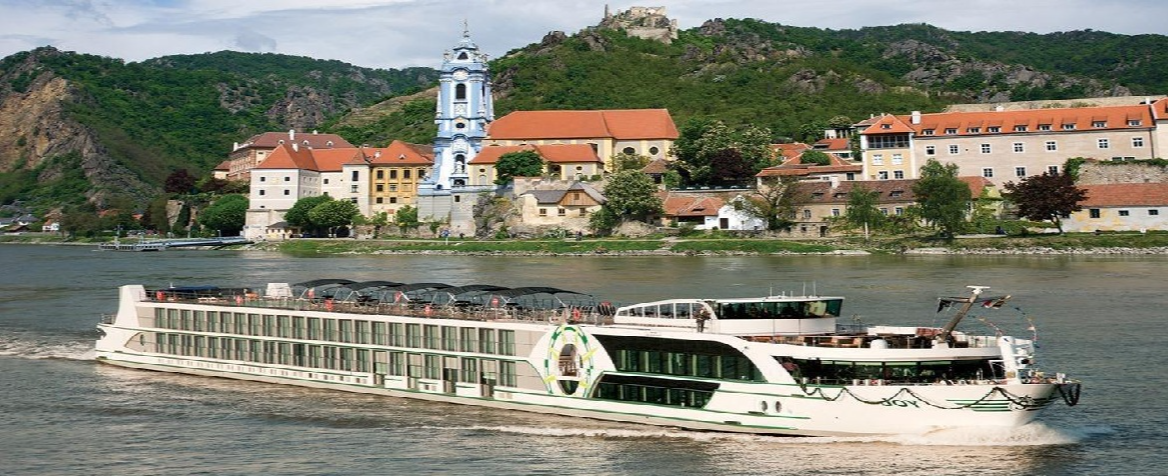
ms Savor
27 Cruises
| 17 June | 8 days | One-way from Vilshofen an der Donau to Budapest |
450-628-6241
Call us
|
| 24 June | 7 nights | One-way from Budapest to Munich |
450-628-6241
Call us
|
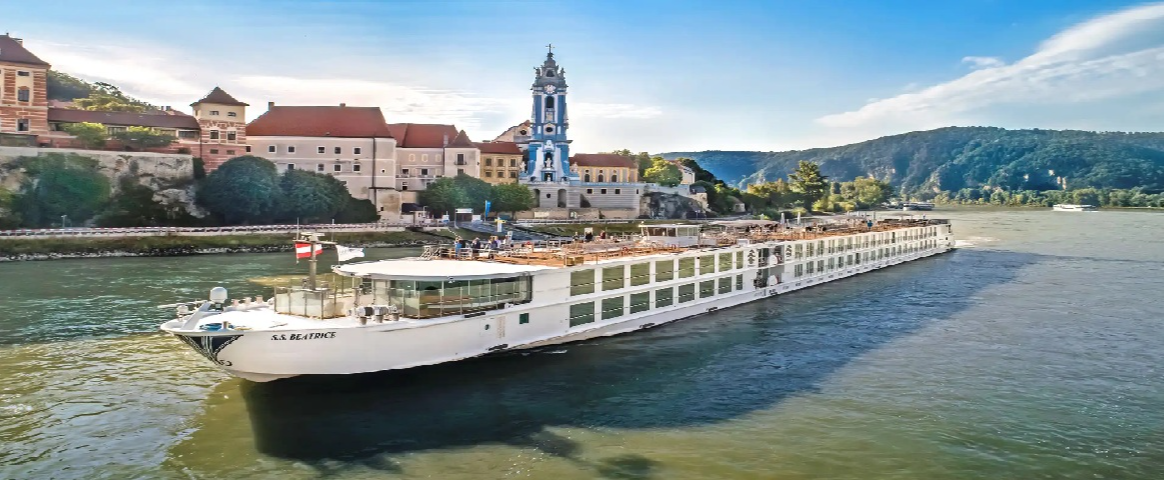
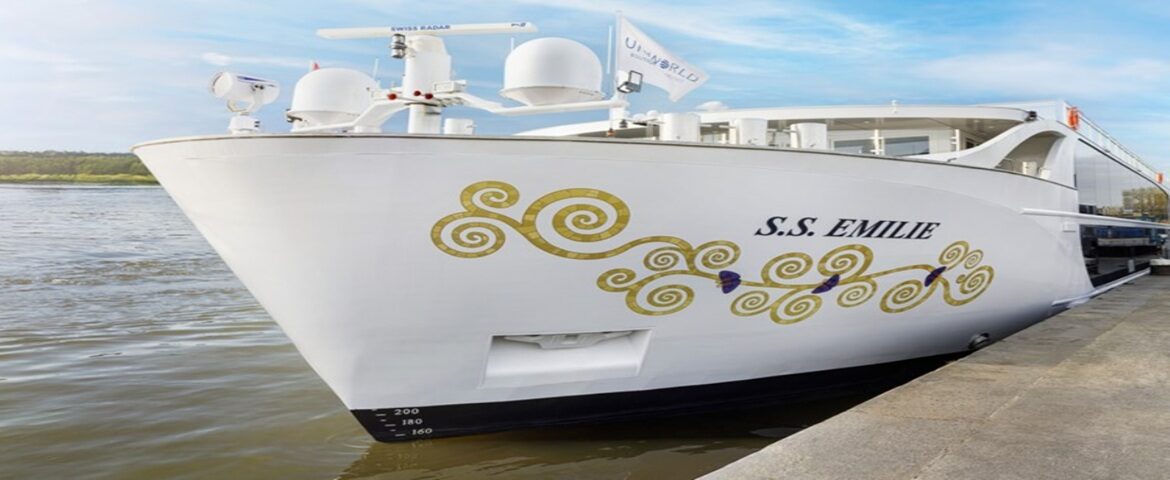
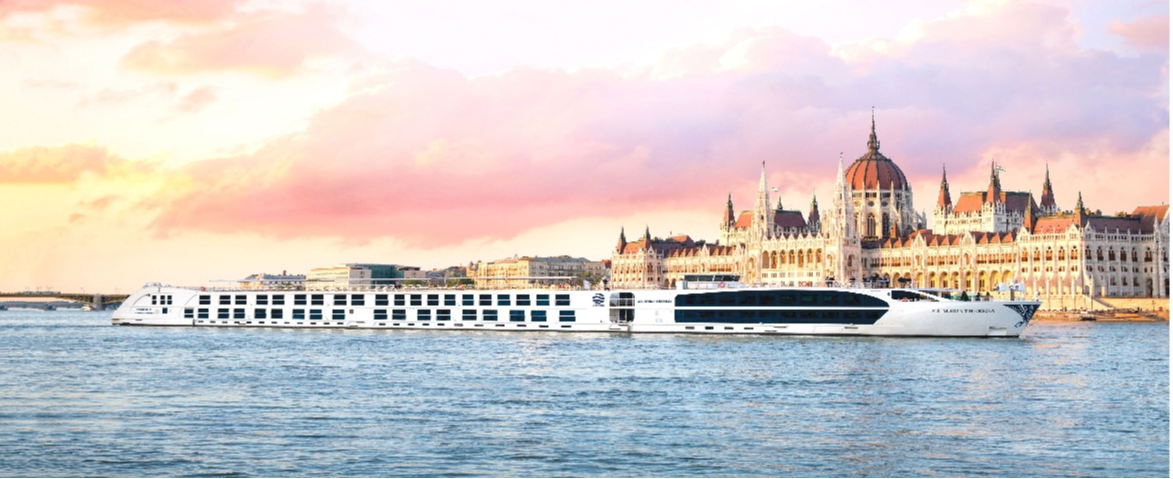
Uniworld Boutique River Cruise (16 Cruises)

Viking River Cruises (30 Cruises)
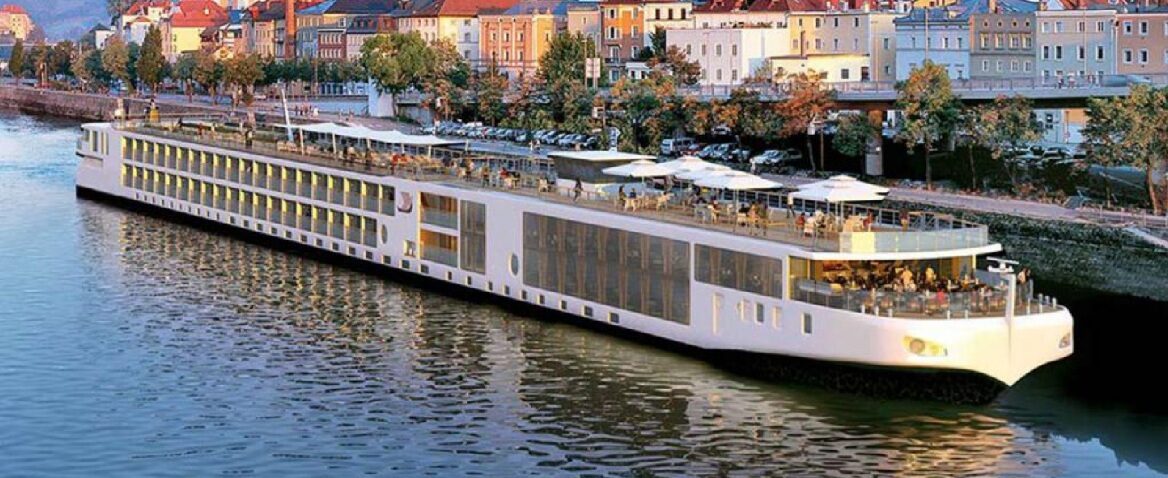
Viking Longships Aegir
10 Cruises

| 12 June | 11 nights | One-way from Oberammergau to Budapest |
450-628-6241
Call us
|
| 26 June | 11 nights | One-way from Oberammergau to Budapest |
450-628-6241
Call us
|
| 10 July | 11 nights | One-way from Oberammergau to Budapest |
450-628-6241
Call us
|
| 24 July | 11 nights | One-way from Oberammergau to Budapest |
450-628-6241
Call us
|
| 7 August | 11 nights | One-way from Oberammergau to Budapest |
450-628-6241
Call us
|
| 21 August | 11 nights | One-way from Oberammergau to Budapest |
450-628-6241
Call us
|
Viking Longships Embla
10 Cruises
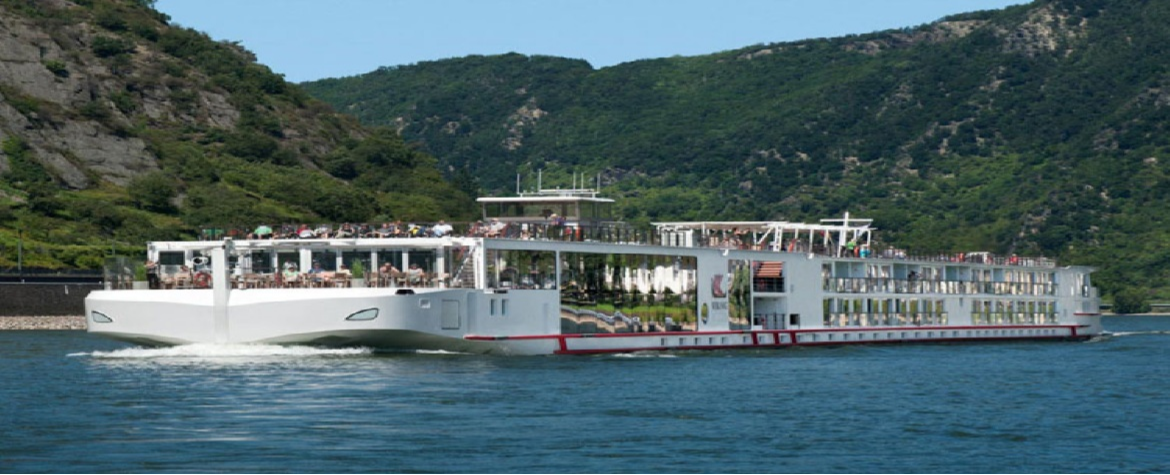
| 5 June | 11 nights | One-way from Oberammergau to Budapest |
450-628-6241
Call us
|
| 19 June | 11 nights | One-way from Oberammergau to Budapest |
450-628-6241
Call us
|
Viking Longships Var
10 Cruises
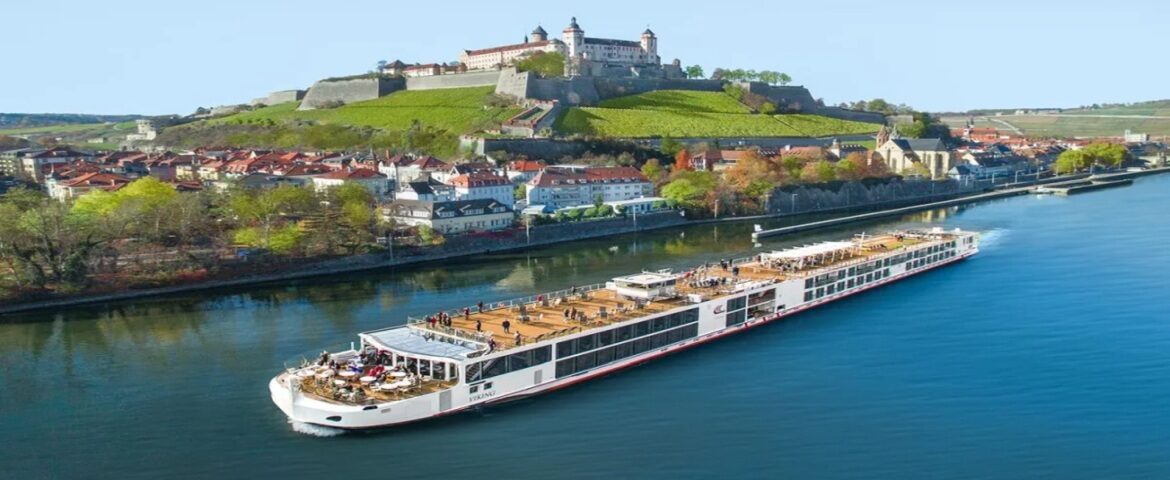
| 3 June | 11 nights | One-way from Oberammergau to Budapest |
450-628-6241
Call us
|
| 17 June | 11 nights | One-way from Oberammergau to Budapest |
450-628-6241
Call us
|
Salzburg, Austria | Cruise Port Guide
Frequently Asked Questions
By coach. Ships call at Passau or Linz on the Danube, and the drive takes under two hours from Passau, through the hills of Upper Austria. The call therefore takes the form of a full-day excursion.
No. Salzburg sits on the Salzach, away from the Danube: you have to leave the river to reach it. That is why it is offered as a coach excursion from Passau or Linz.
The Getreidegasse and Mozart's birthplace, the cathedral and the squares linked by vaulted passages, the Hohensalzburg fortress by funicular, then the Mirabell gardens across the Salzach.
At number 9 Getreidegasse, behind a yellow facade. Wolfgang Amadeus Mozart was born here in 1756; the house is now a museum holding instruments, scores and family portraits.
A funicular climbs from the old town in a few minutes. Built from the 11th century onward on its rocky spur, the fortress offers a complete panorama: the city's verdigris domes, the Salzach running through it and, to the south, the jagged line of the Alps.
Entirely. A UNESCO World Heritage site, it is walked square by square through vaulted passages, so the stroll feels like a game of hidden doors.
Mozartkugeln, the balls of marzipan, nougat and chocolate created here in the late 19th century, sold in the old town's confectioners. Traditional cafes, meanwhile, serve apple strudel under moulded ceilings.
The euro and German. Salzburg is a major tourist city: cards are accepted everywhere and staff are often comfortable in English.
Partly, yes. The gardens of Mirabell Palace, across the Salzach, appear in several scenes of the film; their geometric parterres frame the fortress in the distance.
Yes, but it makes for a long day: the round-trip coach ride from the Danube has to be counted in. The funicular, the fortress and the Mirabell gardens appeal to children; the museums ask more patience.


