Spanish Wells Bahamas Russell Island & Harbour Island
Port of Spanish Wells (Russell Island & Harbour Island), Bahamas | Cruise Port Guide

Here, wealth comes out of the sea one trap at a time. Spanish Wells, a village set on the small island of St. George's Cay off the northern tip of Eleuthera, alone supplies most of the spiny lobster exported by the Bahamas. The small cruise ships that stop here anchor in emerald waters, between sandbanks and reefs, and their tenders land in the heart of a community unlike any other in the archipelago.

An extraordinary village

Three kilometres long, eight hundred metres wide: the island is easily explored on foot or by golf cart, the only vehicle that matters here. Sherbet-coloured wooden houses line immaculate streets, fronted by gardens where residents create displays of conch shells and salvaged buoys. The silence is striking, barely broken by the hum of golf carts and the cries of terns. No high-rise hotels or restaurant chains: a few cafés, an ice cream shop and family businesses are enough for everyday life. You'd think you were in a New England seaside village transplanted to the tropics.

Roots planted in 1648

The community descends directly from the Eleutheran Adventurers, English Puritans who left Bermuda in 1648 to practise their faith freely. Shipwrecked on the nearby reefs, they settled in the area, and their descendants still live here; the same family names have appeared on the mailboxes for generations. The village's name, for its part, recalls the Spanish ships that once came here to fill their barrels with fresh water before the voyage home. A small local museum tells this stubborn story of storms, fishing and mutual aid. You also learn why the population, predominantly white and English-speaking, stands out in the archipelago: three and a half centuries of voluntary isolation have preserved a world apart here.

The kingdom of the spiny lobster

At the harbour, the fishing boats tell the story of the local economy better than any sign: stacked traps, sturdy hulls, gleaming winches. When the season comes, the crews head out for several weeks to the southern banks and return with full holds. This prosperity shows in the care given to the houses as well as on the plates: waterfront restaurants serve lobster grilled, in salads or as fritters, at prices that remind you it doesn't travel far between the trap and the table.

North shore beaches and neighbouring islands

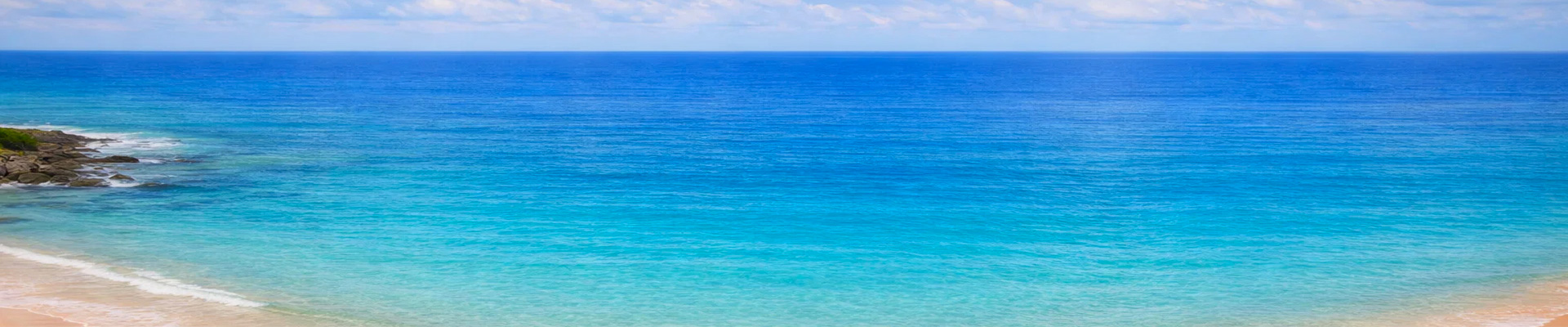
The island's entire north side opens onto a continuous beach, wide at low tide, where the water shifts from pale green to turquoise without ever darkening. You swim in calm water, often alone with a few herons. A bridge also links Spanish Wells to Russell Island, its agricultural neighbour, which you can explore by golf cart among small farms and coconut groves. Some excursions continue to Harbour Island, a little farther east, famous for its pink sand and historic cottages — a round trip by water taxi that pairs well with a morning ashore.

Port call tips

  • Reserve your golf cart early in the day: the available fleet is modest.
  • The community lives by the rhythm of fishing and faith; several businesses close on Sundays.
  • US and Bahamian dollars are accepted interchangeably, at par.
  • The north beach offers almost no shade: an umbrella or long-sleeved shirt is recommended.

At departure, the golf carts ferry passengers back to the pier while the fishermen prepare for the next tide. Spanish Wells hasn't put on a show for visitors: it simply goes on living as it always has, and that's precisely what makes this stop so precious on a Bahamas itinerary.

Frequently Asked Questions

At anchor. The small cruise ships that call here anchor in emerald water between sandbars and reefs, and their tenders land in the middle of the village.
On the small island of St George's Cay, off the northern tip of Eleuthera. The territory is three kilometres long and eight hundred metres wide.
Walk or drive the village by golf cart, visit the small local museum, swim on the north beach and try the spiny lobster on the waterfront.
On foot or by golf cart, the only vehicle that matters here. Book the cart early in the day: the available fleet is modest.
The community descends directly from the Eleutheran Adventurers, English Puritans who left Bermuda in 1648. Three and a half centuries of chosen isolation have preserved a world apart: a mainly white, English-speaking population, spotless streets, wooden houses in sorbet shades. It feels like a New England maritime town transplanted to the tropics.
The name recalls the Spanish ships that once came here to fill their freshwater barrels before the voyage home.
Spiny lobster. This village alone supplies most of the lobster the Bahamas exports, and the waterfront restaurants serve it grilled, in salad or as fritters: it does not travel far between the trap and the table.
Yes to both. A bridge links Spanish Wells to Russell Island, its farming neighbour, explored by golf cart between smallholdings and coconut groves. Some excursions push on to Harbour Island a little further east, famous for its pink sand: a water-taxi round trip that pairs well with a morning ashore.
US and Bahamian money are accepted interchangeably, at par, and English is spoken. Note that the community lives by fishing and by faith, and several businesses close on Sunday.
Yes. The village is tiny and very quiet, the golf carts amuse children, and the north beach offers calm water shading from pale green to turquoise without ever darkening. One caveat: it offers almost no shade, so bring an umbrella or a long-sleeved shirt.