South Water Caye Belize
Port of South Water Caye, Belize | Cruise Port Guide

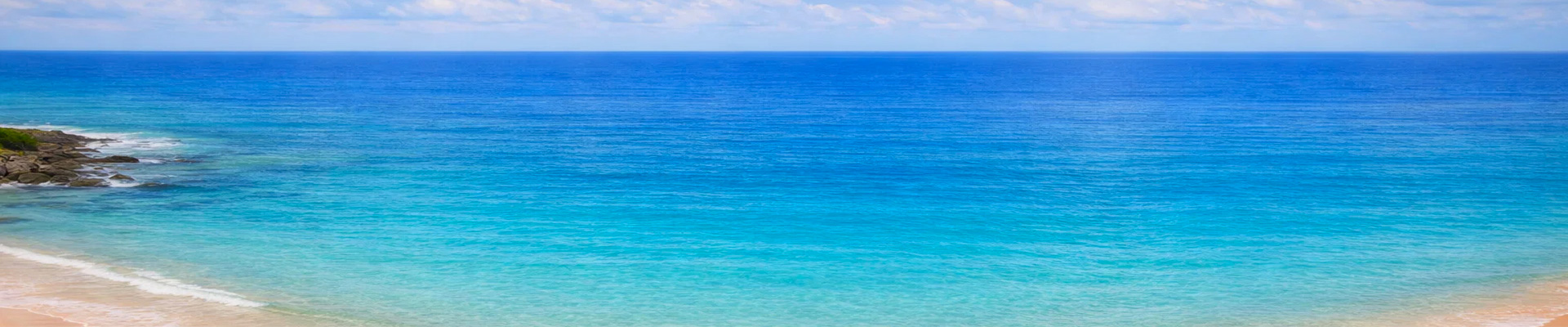
Six hectares of sand and coconut palms set right on the crest of the barrier reef: South Water Caye is among the smallest port calls in Belize, and among the most privileged. Only a few pocket ships and expedition vessels stop in these waters; they anchor offshore and entrust their passengers to tenders, for a landing often made barefoot, right on the shore.

The reef a few strokes away

The caye owes its reputation to a privilege few places offer: the reef wall begins practically at the swimming line. A mask and snorkel are enough. You enter the water on the south side and immediately glide over a garden of elkhorn coral, sea fans and barrel sponges, frequented by angelfish, turtles and stingrays. No boat, schedule or guide needed: the show is right there, within fin's reach, which explains why biologists consider this area one of the best preserved on the Belize Barrier Reef. Expedition ship teams generally provide the equipment and supervise the water entries; less confident swimmers can stick to the inner lagoon, calm and shallow. In the morning, before the trade winds pick up, the surface is often glassy: that's the time regulars choose.

A UNESCO-listed reserve

The surrounding waters form the South Water Caye Marine Reserve, nearly 47,000 hectares of seagrass beds, mangroves and coral formations, one of the largest protected areas in the country and one of the components of the UNESCO World Heritage Site dedicated to Belize's reefs. A short distance away, the islet of Carrie Bow Caye houses a Smithsonian research station, where scientists have studied these ecosystems since the 1970s; the twin islands of Twin Cayes, for their part, hide a nursery of juvenile fish among their mangrove roots. This mosaic of habitats explains the density of life seen with every swim: what grows in the roots later populates the corals, before the eyes of day visitors. Rangers regularly patrol the area and remind visitors as needed of the simple rules that protect this balance: never rest on the living seabed, keep your distance from turtles, bring back any litter you come across.

A day without roads or engines

On land, there are no vehicles and no streets: sandy paths link a few discreet lodgings, hammocks strung between the trunks and a handful of tables where the catch of the day is served. Pelicans dive a few metres from swimmers, frigatebirds circle above the palms, and the dominant sound remains the surf on the reef flat. The day organizes itself: swim, read, walk around the caye in twenty minutes, start again. Around noon, the shade of the coconut palms becomes the most sought-after commodity; in late afternoon, the low-angled light turns the reef flat into a coppery mirror, and cameras come back out of dry bags.

When it's time to climb back into the tender, most passengers turn around one last time: few port calls fit entirely within a single glance, and this one leaves the feeling of having approached the reef as researchers and the fishermen of Dangriga, the coastal town about twenty kilometres away, know it. A small-ship privilege, quite simply.

Practical pointers

  • A little-known port call reserved for small ships; tender landing, sometimes with your feet in the water.
  • No developed shops: bring reef-safe sunscreen, a hat and reef shoes.
  • The Belize dollar trades at two to one US dollar; English is the official language.
  • Swimming takes place in a protected area: touch nothing, take nothing.

Frequently Asked Questions

At anchor offshore: the six-hectare caye has no pier. Landing is by tender, often barefoot, straight onto the shore.
Only a few pocket ships and expedition vessels stop here. It is a confidential call, out of reach of the big cruise ships.
Because the drop-off begins practically at swimming distance. You enter the water on the south side and immediately float over a garden of elkhorn coral, sea fans and barrel sponges. No boat, no schedule, no guide required.
Angelfish, turtles and stingrays above the coral. Biologists consider this stretch one of the best preserved on the Belize barrier reef.
Stay in the inner lagoon, calm and shallow. Expedition ship teams generally supply the gear and supervise entries into the water.
Morning, before the trade wind picks up: the surface often stays glassy and that is when regulars go in. Late afternoon, the low light turns the reef flat into a copper mirror.
Nearly 47,000 hectares of seagrass, mangrove and coral formations, one of the country's largest protected areas and part of the UNESCO World Heritage site covering the Belize reef.
Almost none. No roads, no vehicles: sand paths link a few discreet lodgings, hammocks and a handful of tables serving the catch of the day.
Reef-safe sunscreen, a hat and reef shoes. By midday, the shade of the coconut palms becomes the most sought-after commodity on the island.
Never stand on the living bottom, keep your distance from turtles, and take out any rubbish you come across. Rangers patrol the area regularly and will remind you if needed.