Hamilton Bermuda

32 Cruises availables At departure or passage at this port

Port of Hamilton, Bermuda | Cruise Port Guide

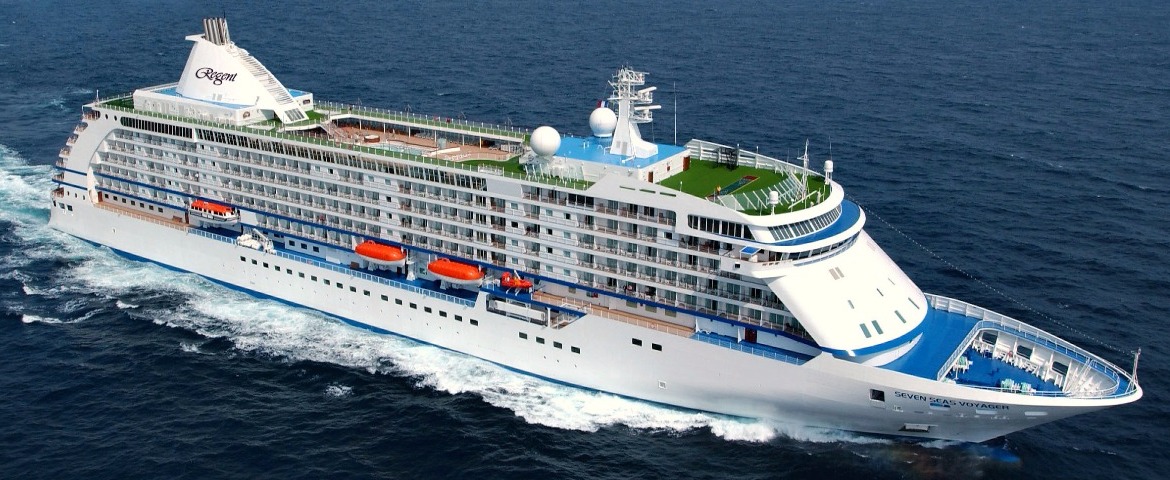
It's not often that a ship literally parks on a capital city's main street. In Hamilton, though, that's the rule: smaller cruise ships moor along Front Street, and the gangway opens directly onto the pastel arcades of the shops, facing the scooters and the pink buses that circle the island. Bermuda isn't part of the Caribbean, as the archipelago floats alone in the Atlantic, but its British gentility under the palm trees makes for a port of call unlike any other.

Front Street and the sloping streets

The capital can be explored entirely on foot. Front Street lines up its verandaed façades, powder blue, butter yellow, sea green, behind which jewellers, woollens and local rum shops follow one another. Businessmen walk about in Bermuda shorts and knee socks, a national uniform worn with the utmost seriousness, and this sartorial detail says a lot about the place: a very British rigour, softened by the warmth of the turquoise water. At the main intersection, the "birdcage", a blue and white booth from which a police officer once directed traffic, still serves as a landmark for pedestrians. The streets then climb inland, lined with colonial government buildings and gardens kept like drawing rooms.

The cathedral and the viewpoints

A few minutes' walk leads to the Sessions House, home to one of the oldest parliaments in the British world, then to the Cathedral of the Most Holy Trinity, whose tower is climbed by a narrow staircase: at the top, the city unfolds in tiers of white roofs, those stepped roofs that collect rainwater, the archipelago's only source of fresh water. Another lookout, Fort Hamilton surrounds its Victorian ramparts with a moat turned tropical garden; the view takes in the harbour and the sailboats at anchor. Between the two, Queen Elizabeth Park offers its lawns and shady benches for a quiet break.

The undersea museum and the ferries

Following the harbour east, you reach the Bermuda Underwater Exploration Institute in a quarter of an hour, where bathyspheres, shipwreck treasures and interactive exhibits tell of the seabed that earned the archipelago its reputation as a graveyard of ships. And to broaden your horizons, the ferry terminal is right next to the cruise pier: in 20 minutes, the blue route reaches the former Royal Naval Dockyard on the west end of the island; in less than 40 minutes, the orange route reaches the old town of St. George's. It's hard to find more pleasant public transit than a crossing of the Great Sound in the sunshine.

The call in practice

  • Docking right downtown; no transfer needed.
  • Bermudian dollar on par with the U.S. dollar, which is accepted everywhere.
  • On summer Wednesday evenings, Front Street closes to traffic for Harbour Nights: stalls, music and Gombey dancers.
  • South shore beaches, including Horseshoe Bay, can be reached by bus or taxi in 20 to 30 minutes.

Before casting off

In the evening, from the deck, Hamilton gently lights up across the street, for it really is a street, not an industrial dock, that separates the ship from the city. This closeness sums up the call: nothing spectacular, everything endearing. You leave Bermuda's capital the way you leave a welcoming home, turning back one last time toward the lit veranda.

Frequently Asked Questions

Along Front Street, the capital's main street. The gangway leads straight onto the pastel shop arcades: no transfer is needed.
Only smaller cruise ships. The largest vessels go to Kings Wharf at the western tip of the archipelago and reach Hamilton by ferry in about 20 minutes.
The capital is entirely walkable: Front Street, the Cathedral of the Most Holy Trinity whose tower you can climb, then Fort Hamilton and its Victorian ramparts. The Bermuda Underwater Exploration Institute is a 15-minute walk east.
No, and the confusion is common. The archipelago sits alone in the North Atlantic, well north of the West Indies. The climate is milder than tropical and the atmosphere decidedly British.
Because they collect rainwater, the archipelago's only fresh water source. From the top of the cathedral tower, the town unfolds in tiers of white roofs: it is the best place to see it.
The Bermuda dollar, at par with the US dollar, which is accepted everywhere. No currency exchange is needed for a North American visitor.
Yes, but not on foot. The south shore beaches, including Horseshoe Bay and its pink sand, are 20 to 30 minutes by bus or taxi. The pink buses circle the island.
Yes. The ferry terminal adjoins the cruise berth: the orange line reaches the old town of St George in under 40 minutes, and the blue line reaches the Royal Naval Dockyard in 20.
On summer Wednesday evenings, Front Street closes to traffic: stalls, music and gombey dancers take over. If the call falls on a Wednesday and the ship stays late, it is the highlight of the day.
It is the local business uniform, worn in complete seriousness. The detail says a lot about the place: British formality softened by warm turquoise water.