Tadoussac Quebec Canada
78
Cruises availables
At departure or passage at this port


Viking Ocean Cruises (64 Cruises)
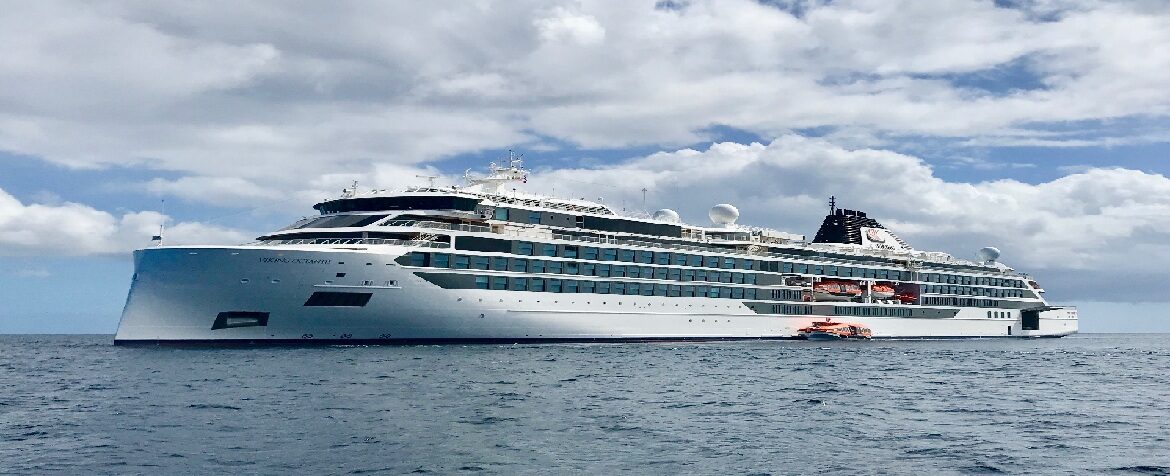
Viking Octantis
40 Cruises

| 2 March | 68 nights | One-way from Buenos Aires to Milwaukee WI |
450-628-6241
Call us
|
| 3 March | 66 days | One-way from Buenos Aires to Milwaukee WI |
450-628-6241
Call us
|
| 20 April | 11 days | One-way from New York to Toronto |
450-628-6241
Call us
|
| 20 April | 12 nights | One-way from New York to Toronto |
450-628-6241
Call us
|
| 15 March | 62 nights | One-way from Buenos Aires to Milwaukee WI |
450-628-6241
Call us
|
| 16 March | 60 days | One-way from Buenos Aires to Milwaukee WI |
450-628-6241
Call us
|
| 27 April | 12 nights | One-way from New York to Toronto |
450-628-6241
Call us
|
| 27 April | 11 days | One-way from New York to Toronto |
450-628-6241
Call us
|
| 19 March | 62 nights | One-way from Buenos Aires to Milwaukee WI |
450-628-6241
Call us
|
| 20 March | 60 days | One-way from Buenos Aires to Milwaukee WI |
450-628-6241
Call us
|
| 1 May | 12 nights | One-way from New York to Toronto |
450-628-6241
Call us
|
| 1 May | 11 days | One-way from New York to Toronto |
450-628-6241
Call us
|
Viking Polaris
24 Cruises
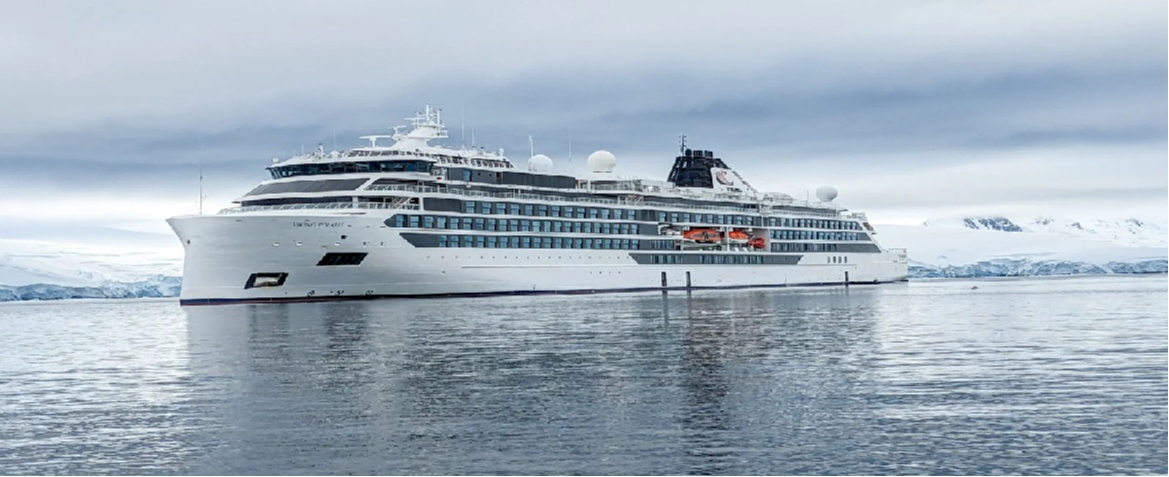
| 14 March | 62 nights | One-way from Buenos Aires to Milwaukee WI |
450-628-6241
Call us
|
| 15 March | 60 days | One-way from Buenos Aires to Milwaukee WI |
450-628-6241
Call us
|
| 26 April | 12 nights | One-way from New York to Toronto |
450-628-6241
Call us
|
| 26 April | 11 days | One-way from New York to Toronto |
450-628-6241
Call us
|
| 29 April | 11 days | One-way from New York to Toronto |
450-628-6241
Call us
|
| 29 April | 12 nights | One-way from New York to Toronto |
450-628-6241
Call us
|
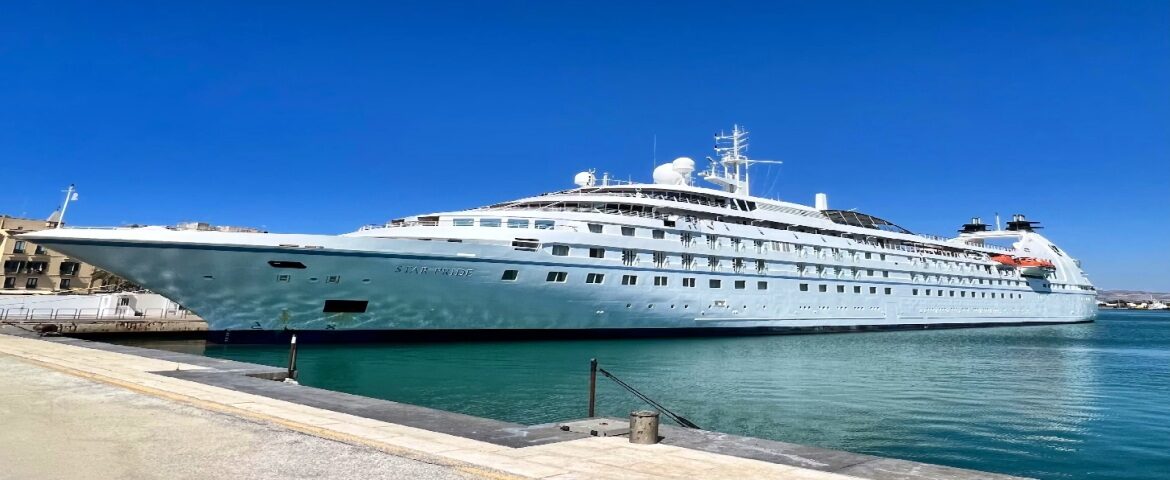
Windstar Cruises (3 Cruises)

Port of Tadoussac, Quebec | Cruise Port Guide
Frequently Asked Questions
By tender. Expedition ships anchor in the bay, facing the red roofs of the Grand Hôtel, and the landing is at the municipal wharf, steps from everything.
Yes, entirely. Gently sloping streets, art galleries, cafés and shops are concentrated within an area easily covered on foot from the wharf.
Yes, and it is the whole point of the call. At the mouth of the Saguenay, cold, krill-rich waters draw one of the largest concentrations of marine mammals in the world: minke and fin whales, resident belugas and, in some seasons, the blue whale itself.
Excursions leave from the wharf by zodiac or covered boat for two to three hours, governed by strict distance rules. Book as early as possible: spaces go quickly in high season.
Yes. Pointe de l'Islet, a short trail at the end of the village, lets you spot blows from the rocks. The Marine Mammal Interpretation Centre, with its suspended skeletons and its naturalists, rounds out the experience.
The village was, from 1600, one of the first fur trading posts on the continent, well before the founding of Quebec City. The Chauvin trading post, a reconstruction of the original, tells the story of exchanges between the Innu and French traders.
A small chapel built in 1747, the oldest surviving wooden chapel in Canada. Its plain interior takes only a few quiet minutes to visit.
The Sentier de la Coupe, behind the village, climbs to sweeping views over the fjord. The great sand dunes, left by the retreating glaciers, stretch a few kilometres to the east. A loop taking in the beach, the marina and rue des Pionniers already gives a sense of the place.
Dress warmly for the zodiac: the air offshore is cool even in August. Binoculars earn their place everywhere, from the ship's deck to Pointe de l'Islet.
The Canadian dollar and French, with the lilting Côte-Nord accent. Businesses also serve in English during the tourist season, and cards are accepted everywhere.


