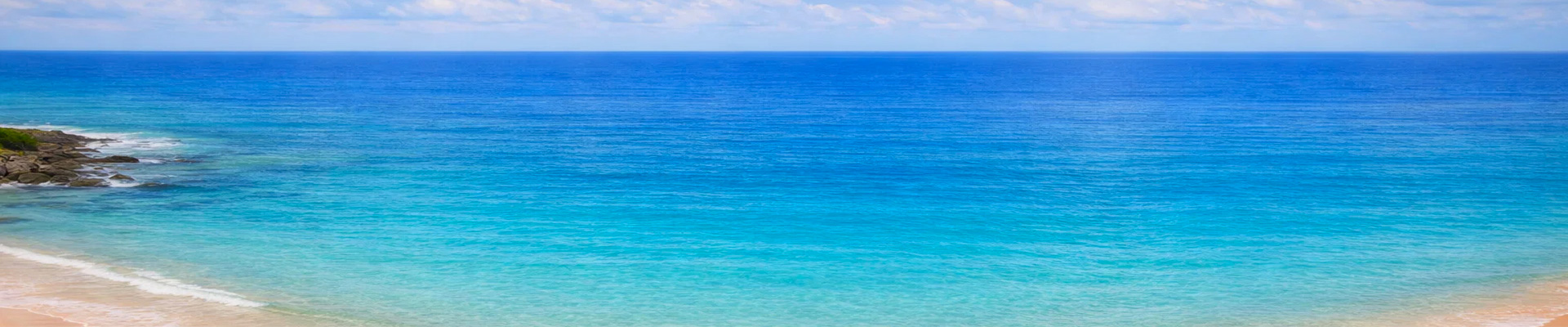
Slano Croatia

Port of Slano, Croatia | Cruise Port Guide

A deep cove edged with hills, cypress trees, a handful of roofs at the end of the calm water: Slano practises the Dalmatian art of discretion. Twenty-seven kilometres northwest of Dubrovnik, this village on the southern coast welcomes small ships, which anchor in the bay and bring their passengers ashore by tender to the waterfront. Here, no terminal, no line of motorcoaches: the port call plays out on foot, to the rhythm of church bells and returning boats. That's exactly what travellers who choose it come looking for — and what yacht and small-ship itineraries sometimes hold as their best memory of the whole week.

The village between two bell towers

Slano can be explored in a leisurely stroll. The Franciscan monastery, founded in the 15th century in the time of the Republic of Ragusa, watches over the entrance to the cove with its pale stone cloister; the parish church of St. Blaise recalls, through its patron saint, the former allegiance to Dubrovnik. The small republic even kept a representative here, a sign that this sheltered anchorage mattered on the trade routes. Between the two bell towers, stone houses, citrus gardens and a waterfront where terraces serve coffee to the sound of creaking moorings. Residents say hello, cats doze, fig trees spill over from courtyards: the scene can't have changed much in a century, and no one is complaining.

Water, pines and salt in the air

On either side of the village, coastal paths lead to pebble beaches backed by pines — Banja, the most sheltered, offers remarkably clear water from the morning on. Kayaks can be rented on site to explore coves inaccessible on foot; swimmers will find few more peaceful places on this coast. The well-enclosed bay stays calm even when whitecaps dot the open sea, which explains the loyalty of the sailboats that drop anchor here every summer evening. More ambitious walkers can follow the coastal road toward neighbouring hamlets, between olive and fig trees, with the cove as a constant companion. Half a day can slip by this way, between swimming, reading in the shade and walking by the water, without boredom ever getting a foothold.

Ston, the ramparts and the oysters

About fifteen kilometres away, at the foot of the Pelješac Peninsula, Ston is worth the excursion. Its 14th-century walls run 5.5 kilometres along the hillside to link the town with Mali Ston — one of the longest fortified complexes in Europe, which walkers can partly explore, sturdy calves required. Below lie salt pans among the oldest in the Mediterranean, still in operation, where salt is still harvested by hand at the end of summer. The neighbouring bay produces oysters renowned since antiquity: enjoy them by the water, with a glass of Pelješac white, twenty minutes by road from the ship. Few port calls offer such a direct link between effort — a few ramparts climbed — and reward.

Quick reference

ItemDetails
DockingAnchorage in the cove, tender landing
Village and beachesAccessible on foot from the landing
StonAbout 15 km away; taxi or excursion, ramparts and oysters
Currency and languageEuro; Croatian, English common in season

The luxury of silence

Dubrovnik shines forty minutes away by road, and some passengers will go pay it a visit. Others will stay in the bay, and they may well be right: Slano offers what busy itineraries lack most — time, clear water and the song of the cicadas as the only entertainment. You return on board rested, with the feeling of having been welcomed rather than having visited.

Frequently Asked Questions

In the inlet, with tender landing on the waterfront. Slano receives small ships: no terminal, no coach queue. The call happens on foot.
Twenty-seven kilometres to the northwest, on the south coast. Allow about forty minutes by road. Some passengers make the round trip; others stay in the bay, and they have a point.
The Franciscan friary and St Blaise's church, a walk along the coastal paths to Banja beach, and a swim. If you want substance, the excursion to Ston, about fifteen kilometres away, is worth the trip.
Two bell towers and not much else, which is the point. The Franciscan friary, founded in the 15th century under the Republic of Ragusa, watches over the inlet with its pale stone cloister; the parish church of St Blaise recalls the old allegiance to Dubrovnik.
For its 14th-century walls, which run 5.5 kilometres along the hillside to Mali Ston — one of the longest fortified stretches in Europe. Below lie working salt pans among the oldest in the Mediterranean, and a bay producing oysters prized since antiquity.
Yes, pebble beaches backed by pines on either side of the village. Banja, the most sheltered, has remarkably clear water from early morning. The bay stays calm even when the open sea is choppy.
Yes, kayaks rent locally for exploring coves you cannot reach on foot. The enclosed bay makes for easy paddling, which explains the loyalty of the yachts that anchor here every summer evening.
The euro and Croatian. English is common in season at the handful of waterfront terraces. Bring cash: the village is not equipped like a tourist centre.
June to September. The appeal of the call is largely swimming and slow time: off season some services close and what remains is mainly walking and the Ston excursion.
Travellers looking for time rather than monuments. No queues, no major sights: clear water, paths through olive and fig trees, and cicadas for entertainment. Anyone in a hurry to tick off landmarks will find little here.