Tivua Island Fiji Mamanuca Islands
Fiji
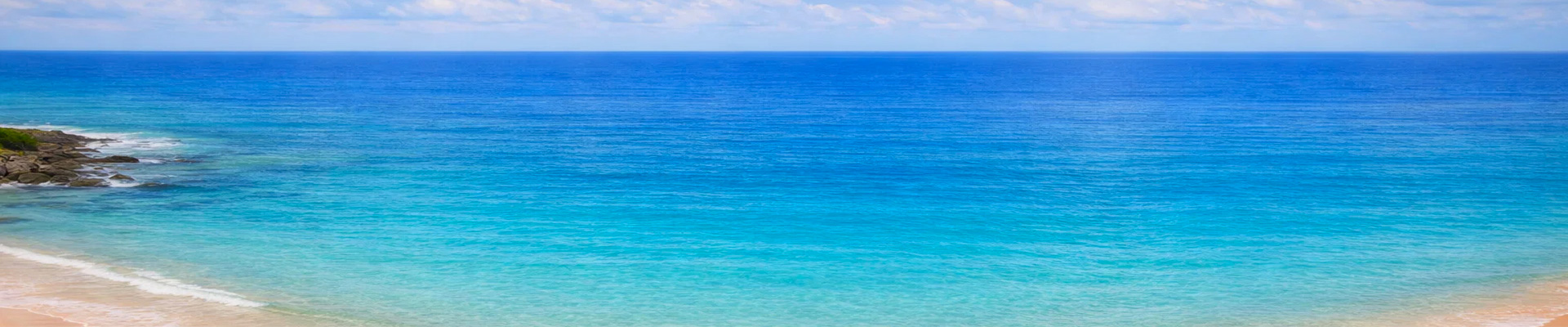
Tivua Island, Fiji | Cruise Port Guide

Ten minutes is enough to walk around the island, and yet the day slips by unnoticed. Tivua is a coral islet in the Mamanuca group, northwest of Viti Levu, Fiji's main island: a ring of white sand, a cluster of coconut palms and, all around, some 200 hectares of coral gardens that delight snorkellers. It is reached on a day trip from the Nadi and Denarau area, often aboard a tall ship whose masts can be spotted from afar on the lagoon.

The crossing is part of the journey

The trip to Tivua sets the Fijian tone from the start: crew in flowered sulus, guitars and welcome songs, wooden decks where you settle in facing the wind. Depending on the boat, you sail or travel by catamaran, the crew hoists the sails by hand when the wind allows, and the silhouettes of the Mamanucas slowly slide by on the horizon. Approaching the reef, the water changes colour in stages, from deep blue to pale green, until the hull glides over the coral heads. Landing is by small boat, your feet almost in the warm water.

Beneath the surface

The reef encircling Tivua is the call's main attraction. With mask and snorkel provided, you swim over branching corals where butterflyfish, electric damselfish and silvery schools scatter at the slightest movement. Guides lead groups to the best coral heads and remind everyone of the golden rule: look, don't touch. Reef-safe sunscreen does everyone a favour, too. Those less comfortable in the water board a glass-bottom boat to see the same show while staying dry, while the more active take kayaks and paddleboards along the shore. Depending on the season, the islet also serves as a stopover for seabirds and turtles, which you sometimes spot between swims.

Fiji time

On land, the program is deliberately brief. You move from a lounge chair in the shade of the palms, walk around the island again for the pleasure of it, and attend a kava ceremony where the traditional drink is passed around in a wooden bowl to the sound of clapping hands. The meal is eaten with your toes in the sand, and crew members, often from nearby villages, gladly tell you about their archipelago. Others simply settle into the shade with a book: no one rushes anyone, and the word schedule loses just about all meaning here. This blend of simplicity and hospitality leaves a lasting impression, well beyond the scenery.

Port call highlights

FeatureGood to know
LocationCoral islet in the Mamanucas, northwest of Viti Levu
AccessDay trip from Denarau, by sailing ship or catamaran
Time on the islandAbout four hours
ActivitiesSnorkelling, kayaking, paddleboarding, glass-bottom boat

In the late afternoon, the sails fill again and the island gradually becomes a pale dot on the lagoon once more. Everyone then realizes how rare the day was: an entire island reduced to the essentials, sand, coral, songs and time passing slowly. Fiji has more than 300 islands. This tiny one nevertheless manages to sum up everything that makes you want to return to the archipelago.

Frequently Asked Questions

It is a coral islet in the Mamanuca group, north-west of Viti Levu. You reach it on a day trip from the Nadi and Denarau area, often aboard a tall sailing ship whose masts are visible far across the lagoon.
About four hours ashore. Ten minutes is enough to walk right round the island: a ring of white sand, a cluster of coconut palms, and all around some 200 hectares of coral gardens.
It is part of the trip: crew in flowered sulu, guitars and welcome songs, wooden decks where you settle facing the wind. Depending on the vessel you sail or take a catamaran, and the crew hoist canvas by hand when the wind allows.
By small boat, feet almost in the warm water. Approaching the reef, the water changes colour in stages, from deep blue to pale green, until the hull glides over the coral heads.
It is the main draw of the call. Mask and snorkel provided, you swim over branching corals where butterflyfish, electric damselfish and silver shoals scatter at the slightest movement. Guides lead groups to the best coral heads.
The glass-bottom boat shows the same reef while you stay dry. Kayaks and paddleboards follow the shoreline for the more active, and a lounger in the shade of the palms remains a perfectly respectable option.
No. The golden rule the guides repeat is simple: look, don't touch. Reef-safe sunscreen does everyone a favour too.
Yes. The traditional drink goes round in a wooden cup to the sound of clapping. The meal is then eaten with your toes in the sand, and the crew, often from the neighbouring villages, are happy to talk about their islands.
Depending on the season, the islet is a stopover for seabirds and turtles, sometimes glimpsed between swims. Nothing is guaranteed: it is an encounter, not a scheduled show.
For anyone content to do nothing in particular. The programme is deliberately short: a lounger, a walk round the island, a book, the water. Nobody hurries anybody, and the word schedule loses almost all meaning here.