Vienne France
1371
Cruises availables
At departure or passage at this port
AmaWaterways (125 Cruises)
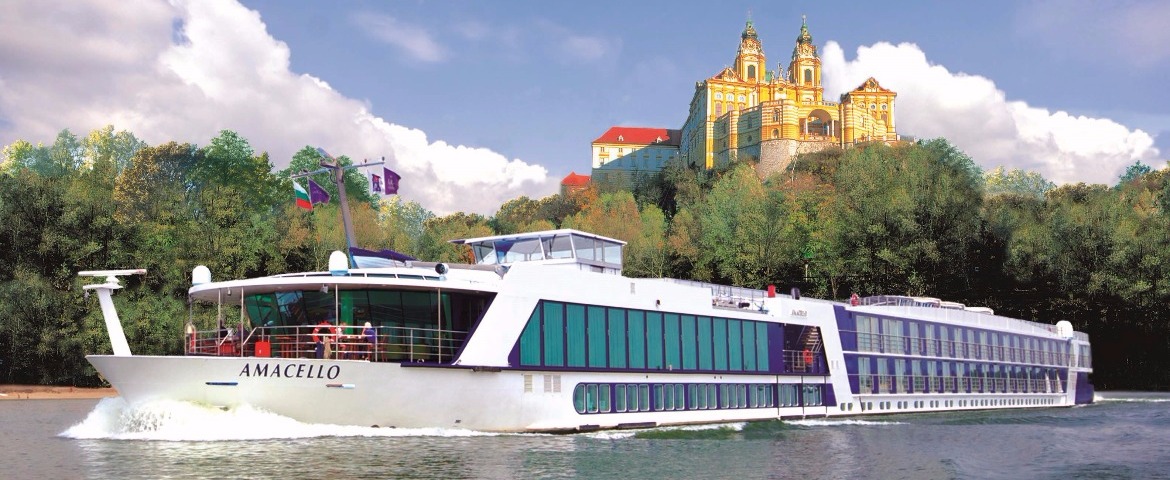
AmaCello
54 Cruises

| 6 May | 7 nights | One-way from Arles to Saint-Jean-de-Losne, France |
450-628-6241
Call us
|
| 27 May | 8 days | One-way from Dijon to Arles |
450-628-6241
Call us
|
| 8 July | 8 days | One-way from Dijon to Arles |
450-628-6241
Call us
|
| 15 July | 7 nights | One-way from Arles to Saint-Jean-de-Losne, France |
450-628-6241
Call us
|
| 14 October | 8 days | One-way from Dijon to Arles |
450-628-6241
Call us
|
| 21 October | 7 nights | One-way from Arles to Saint-Jean-de-Losne, France |
450-628-6241
Call us
|
| 13 April | 7 nights | One-way from Dijon to Arles |
450-628-6241
Call us
|
| 20 April | 7 nights | One-way from Arles to Saint-Jean-de-Losne, France |
450-628-6241
Call us
|
| 19 October | 7 nights | One-way from Dijon to Arles |
450-628-6241
Call us
|
| 26 October | 7 nights | One-way from Arles to Saint-Jean-de-Losne, France |
450-628-6241
Call us
|
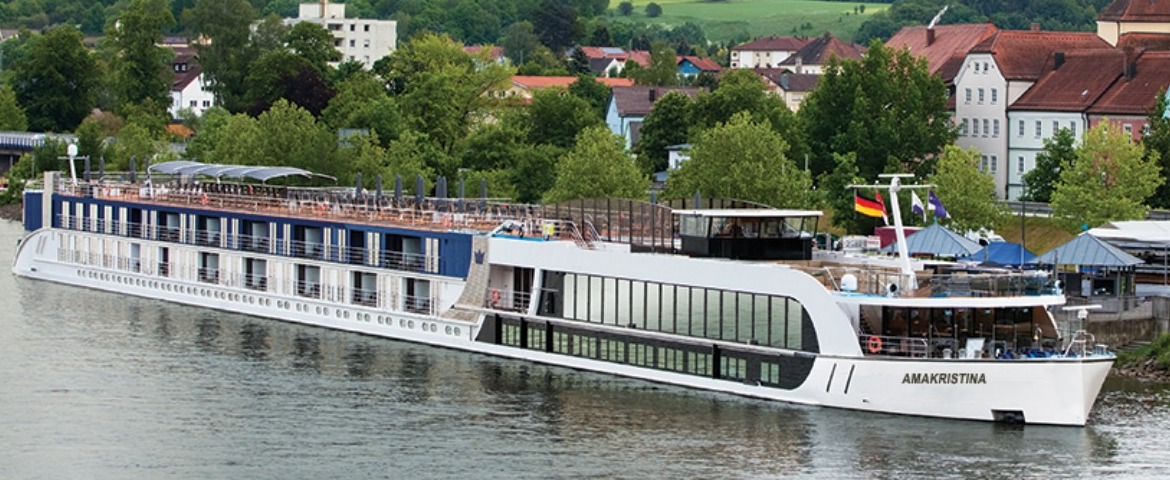
AmaKristina
71 Cruises
| 26 November | 7 nights | One-way from Arles to Lyon |
450-628-6241
Call us
|
| 26 November | 7 days | One-way from Arles to Lyon |
450-628-6241
Call us
|
| 18 March | 7 nights | One-way from Arles to Lyon |
450-628-6241
Call us
|
| 25 March | 7 nights | One-way from Lyon to Arles |
450-628-6241
Call us
|
| 6 May | 7 nights | One-way from Lyon to Arles |
450-628-6241
Call us
|
| 13 May | 7 nights | One-way from Arles to Lyon |
450-628-6241
Call us
|
| 27 May | 7 nights | One-way from Arles to Lyon |
450-628-6241
Call us
|
| 22 July | 7 nights | One-way from Arles to Lyon |
450-628-6241
Call us
|
| 29 July | 7 nights | One-way from Lyon to Arles |
450-628-6241
Call us
|
| 6 July | 7 nights | One-way from Arles to Lyon |
450-628-6241
Call us
|
| 13 July | 7 nights | One-way from Lyon to Arles |
450-628-6241
Call us
|
| 5 October | 7 nights | One-way from Lyon to Arles |
450-628-6241
Call us
|
| 19 October | 7 nights | One-way from Lyon to Arles |
450-628-6241
Call us
|
CroisiEurope (39 Cruises)
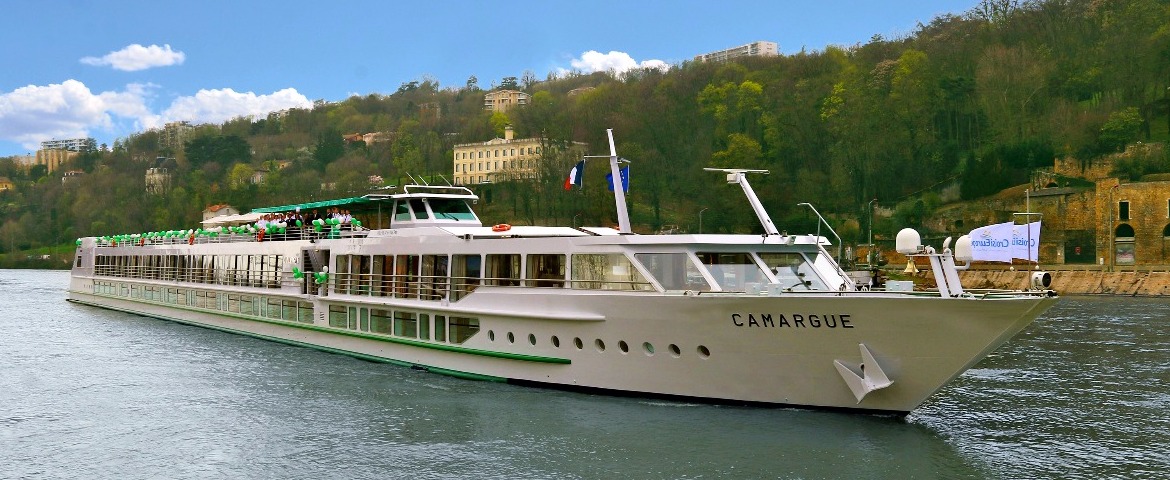
MS Camargue
8 Cruises

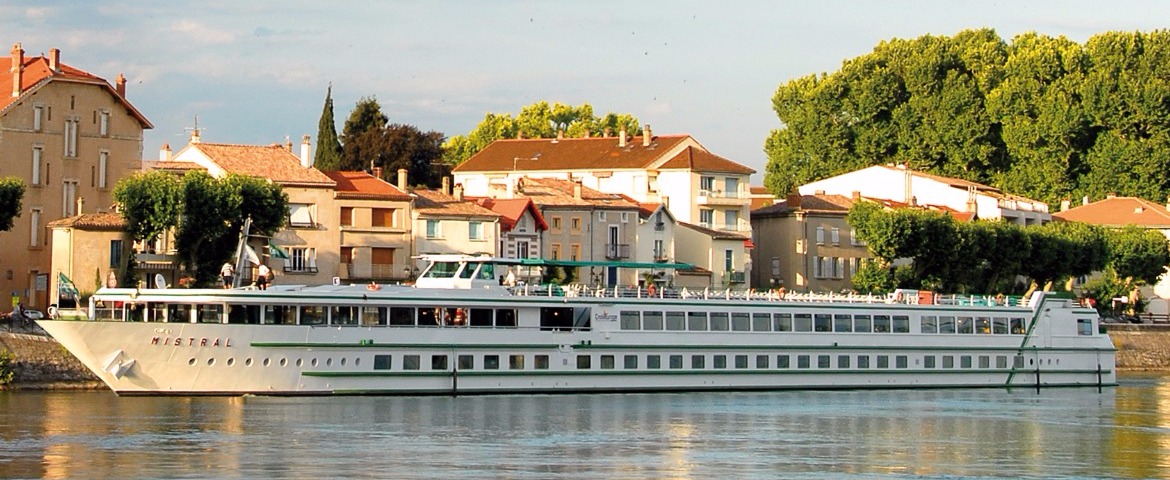
MS Mistral
8 Cruises
| 13 April | 8 days | Round-trip from Lyon, France |
450-628-6241
Call us
|
| 13 April | 7 nights | Round-trip from Lyon, France |
450-628-6241
Call us
|
MS Princesse d'Aquitaine
14 Cruises

| 2 May | 7 nights | Round-trip from Lyon, France |
450-628-6241
Call us
|
| 25 May | 7 nights | Round-trip from Lyon, France |
450-628-6241
Call us
|
| 7 June | 7 nights | Round-trip from Lyon, France |
450-628-6241
Call us
|
| 7 June | 8 days | Round-trip from Lyon, France |
450-628-6241
Call us
|
| 25 June | 7 nights | Round-trip from Lyon, France |
450-628-6241
Call us
|
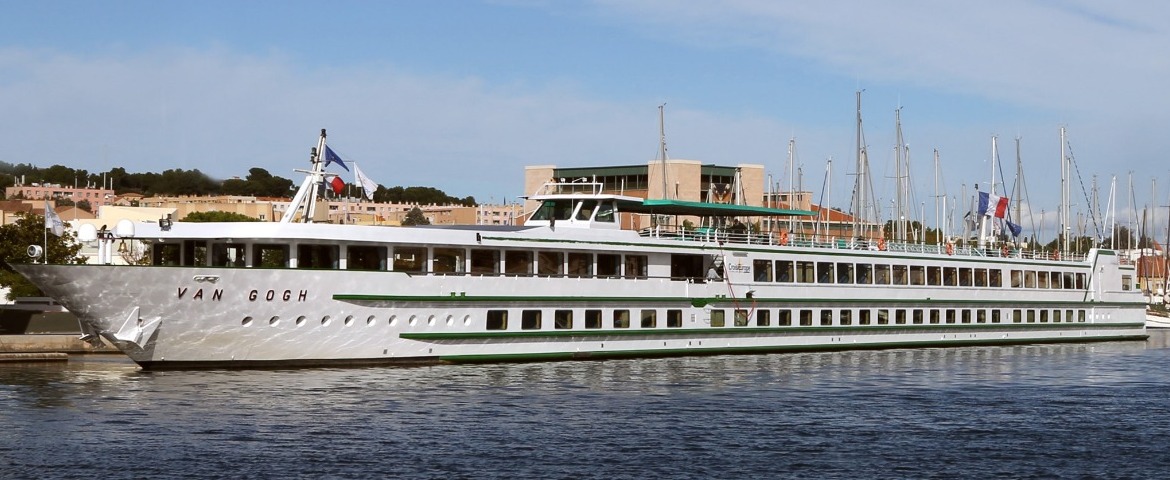
Emerald Waterways (5 Cruises)
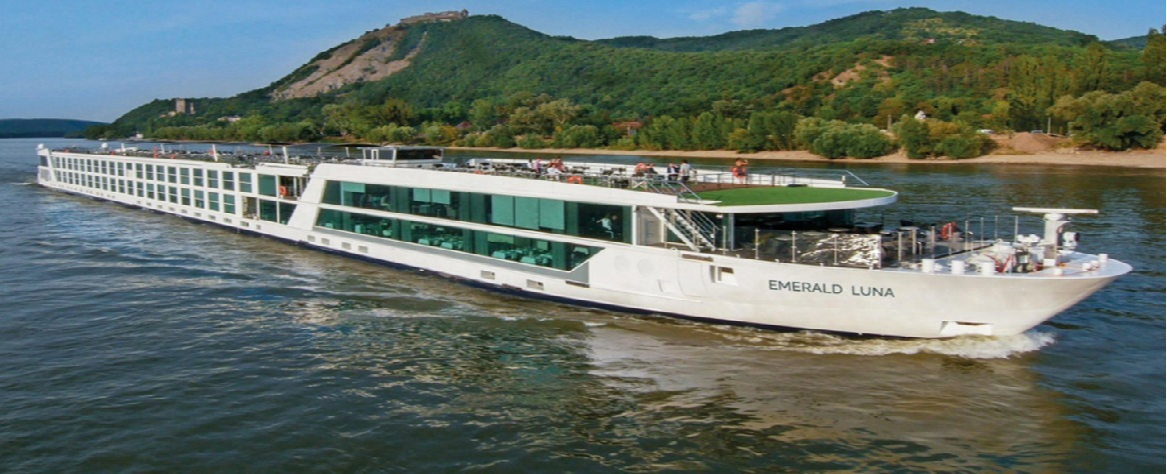

Riviera Travel (120 Cruises)
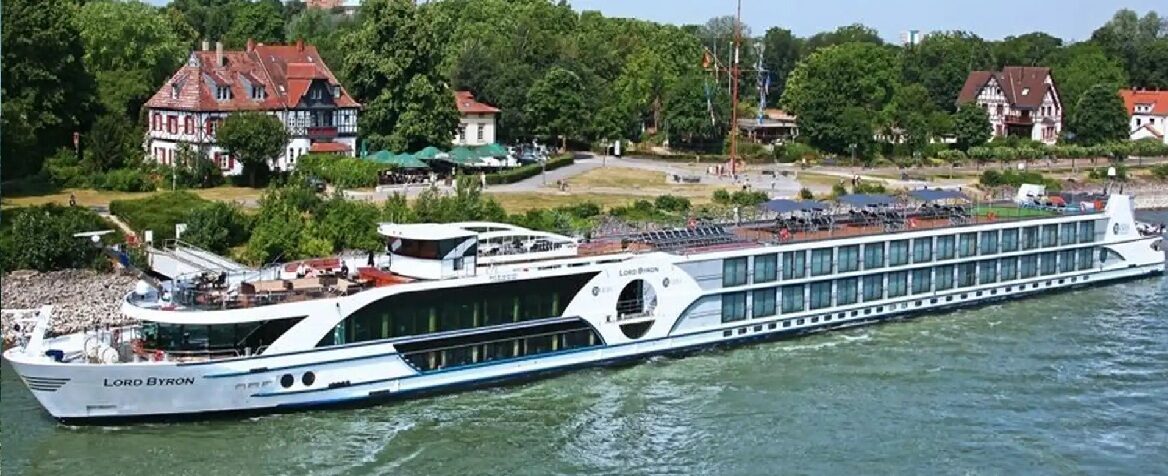
MS Lord Byron
71 Cruises

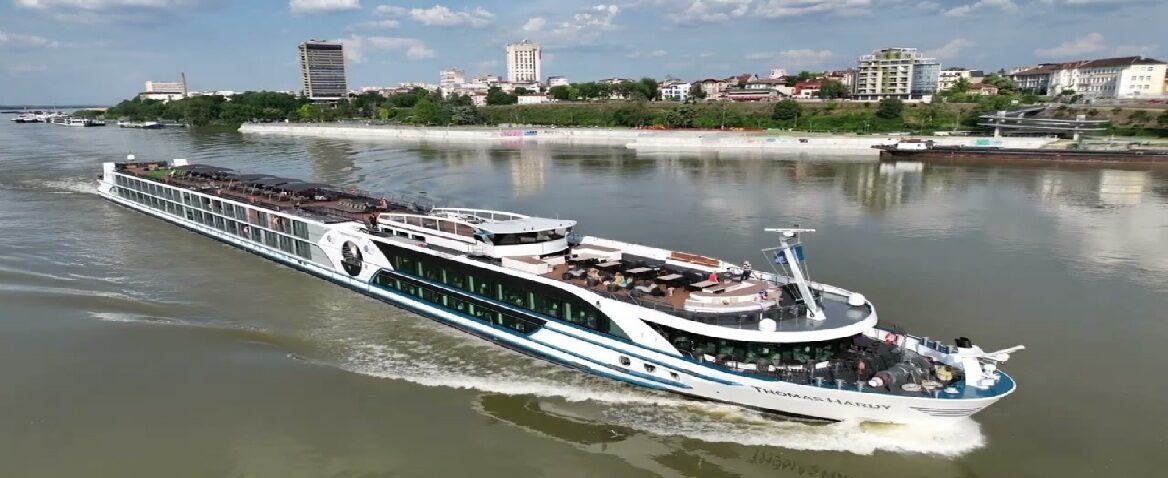
MS Thomas Hardy
49 Cruises
| 28 March | 7 days | One-way from Lyon to Avignon |
450-628-6241
Call us
|
| 28 March | 7 nights | One-way from Lyon to Avignon |
450-628-6241
Call us
|
Scenic Cruises (92 Cruises)
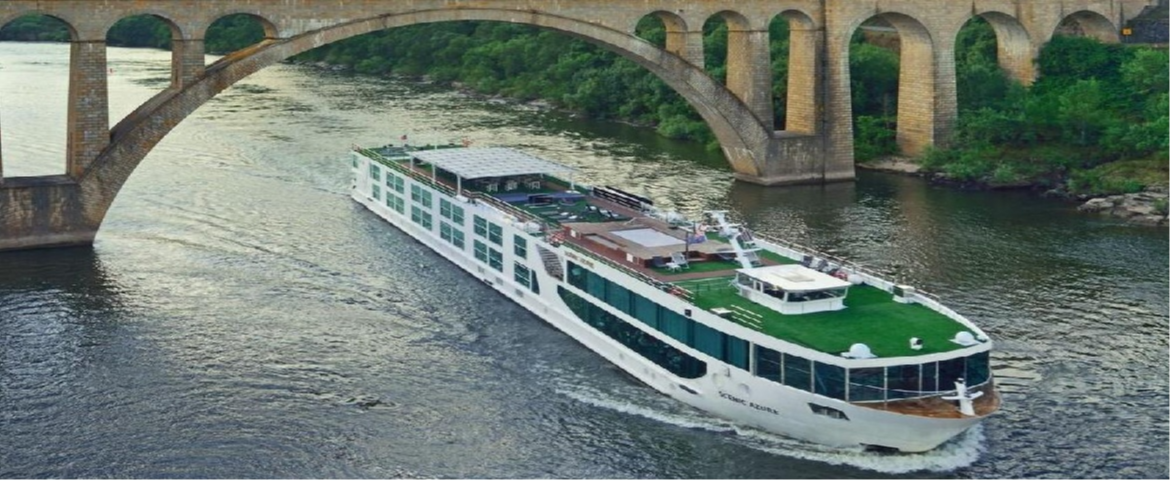
Scenic Azure
13 Cruises

Scenic Diamond
7 Cruises
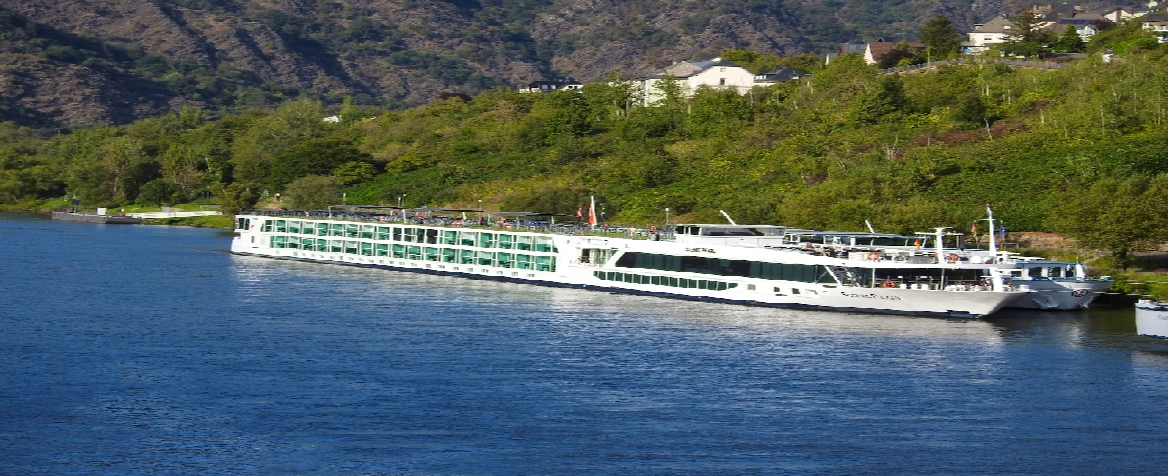
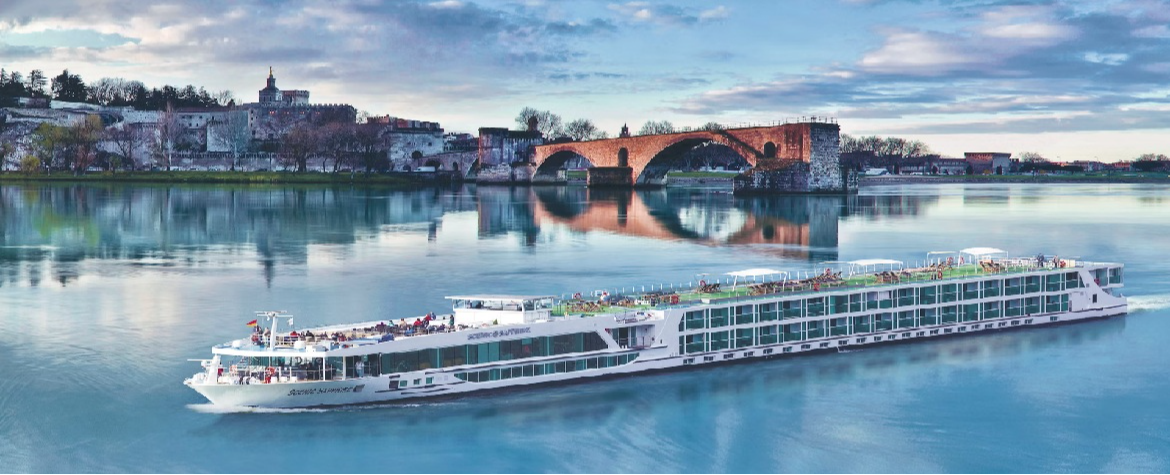
Scenic Sapphire
67 Cruises
| 27 March | 18 days | One-way from Lyon to Porto-Leixoes |
450-628-6241
Call us
|
| 27 March | 10 nights | Round-trip from Lyon, France |
450-628-6241
Call us
|
Tauck Cruises (8 Cruises)
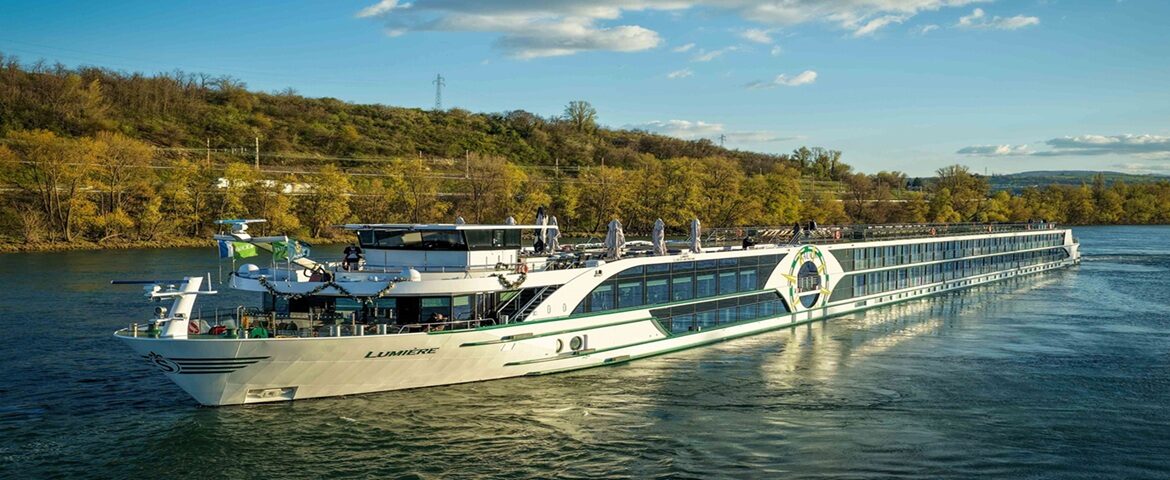

Viking River Cruises (982 Cruises)
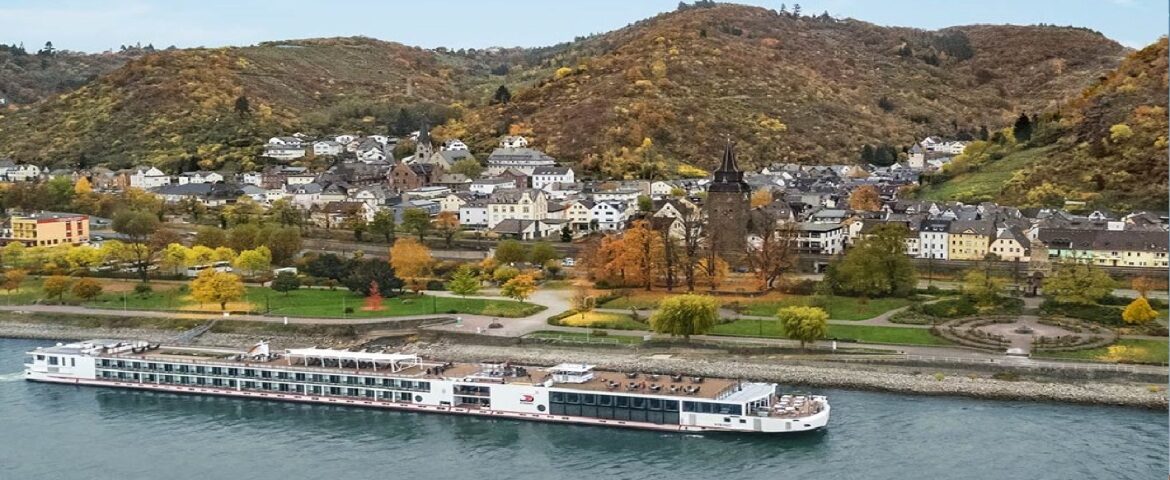
Viking Fjorgyn
68 Cruises

| 21 March | 14 days | One-way from Paris City to Avignon |
450-628-6241
Call us
|
| 21 March | 14 nights | One-way from Paris City to Avignon |
450-628-6241
Call us
|
| 26 March | 14 days | One-way from Paris City to Avignon |
450-628-6241
Call us
|
| 26 March | 14 nights | One-way from Paris City to Avignon |
450-628-6241
Call us
|
Viking Kari
102 Cruises
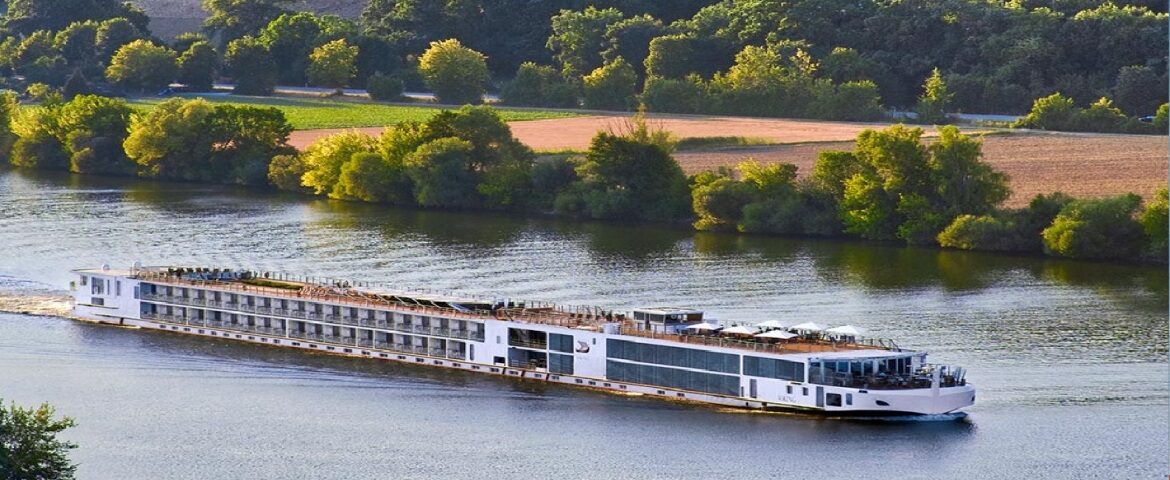
| 22 March | 14 days | One-way from Paris City to Avignon |
450-628-6241
Call us
|
| 22 March | 14 nights | One-way from Paris City to Avignon |
450-628-6241
Call us
|
Viking Longships Buri
174 Cruises
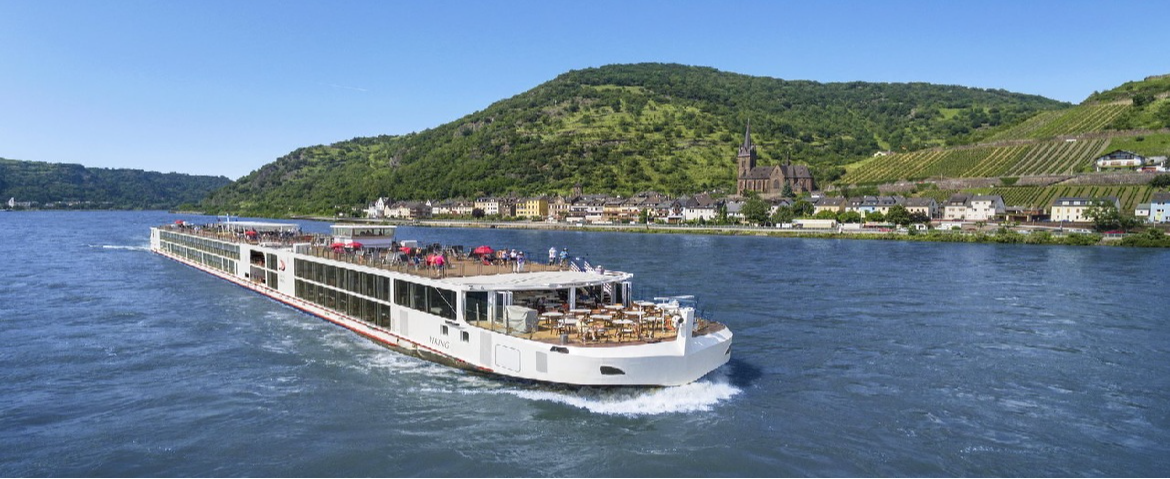
Viking Longships Delling
172 Cruises
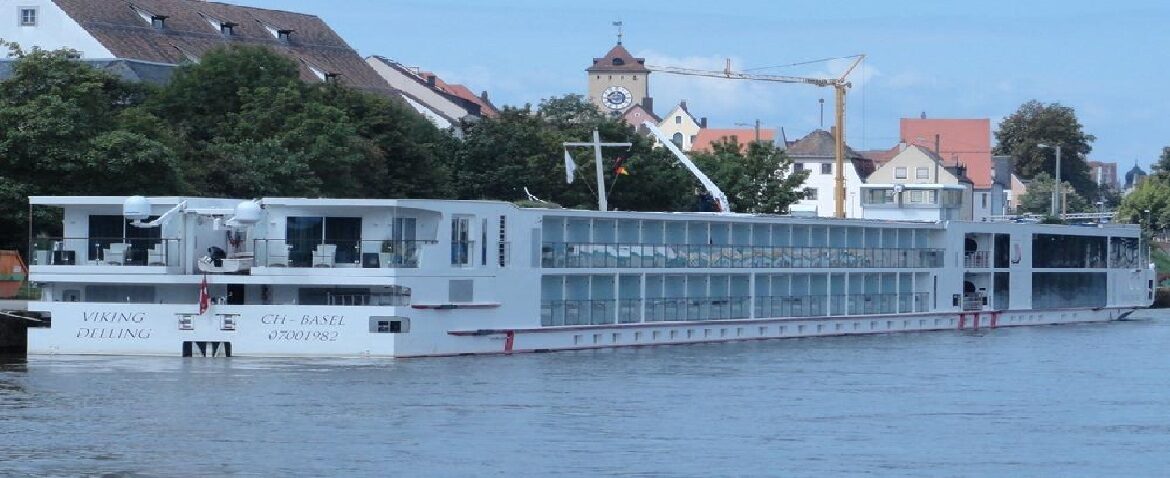
Viking Longships Heimdal
176 Cruises
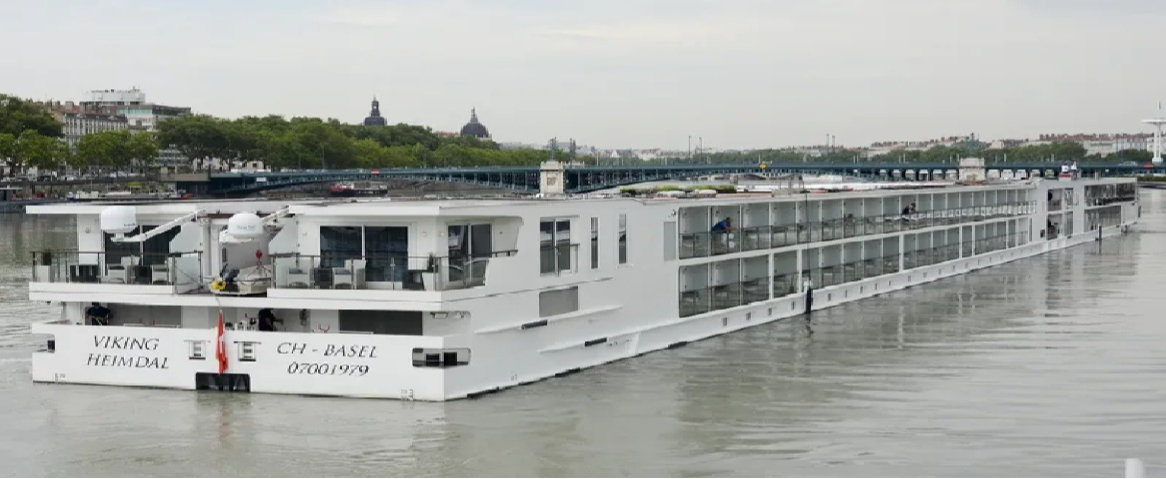
Viking Longships Hlin
34 Cruises
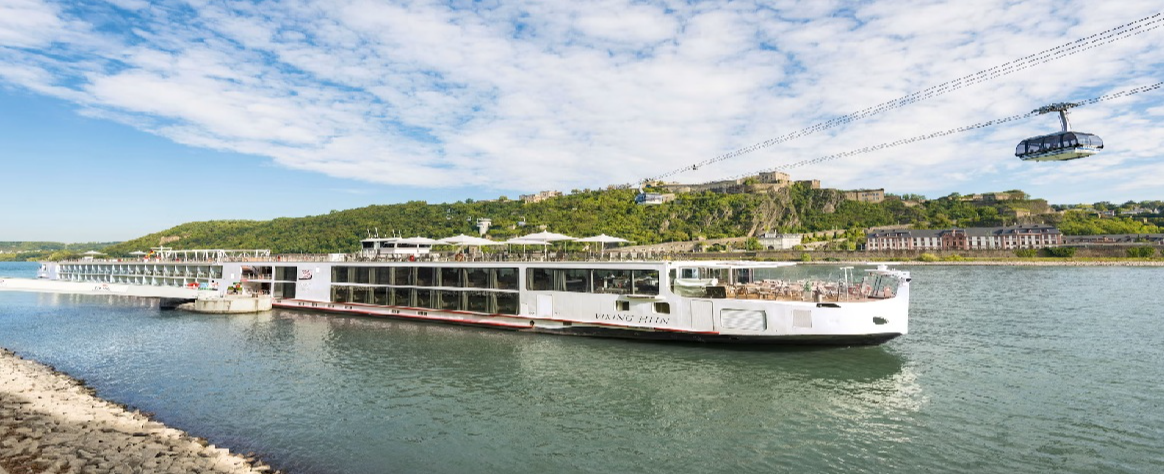
| 28 March | 14 days | One-way from Amsterdam to Avignon |
450-628-6241
Call us
|
| 28 March | 14 nights | One-way from Amsterdam to Avignon |
450-628-6241
Call us
|
Viking Longships Kara
68 Cruises
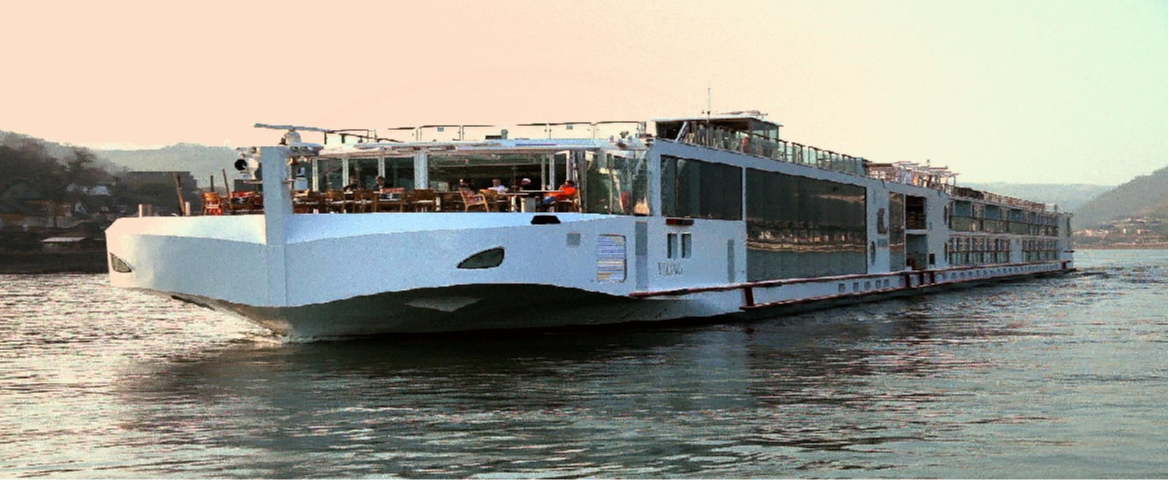
| 21 March | 14 days | One-way from Amsterdam to Avignon |
450-628-6241
Call us
|
| 21 March | 14 nights | One-way from Amsterdam to Avignon |
450-628-6241
Call us
|
| 19 March | 14 days | One-way from Amsterdam to Avignon |
450-628-6241
Call us
|
| 19 March | 14 nights | One-way from Amsterdam to Avignon |
450-628-6241
Call us
|
Viking Longships Lofn
158 Cruises
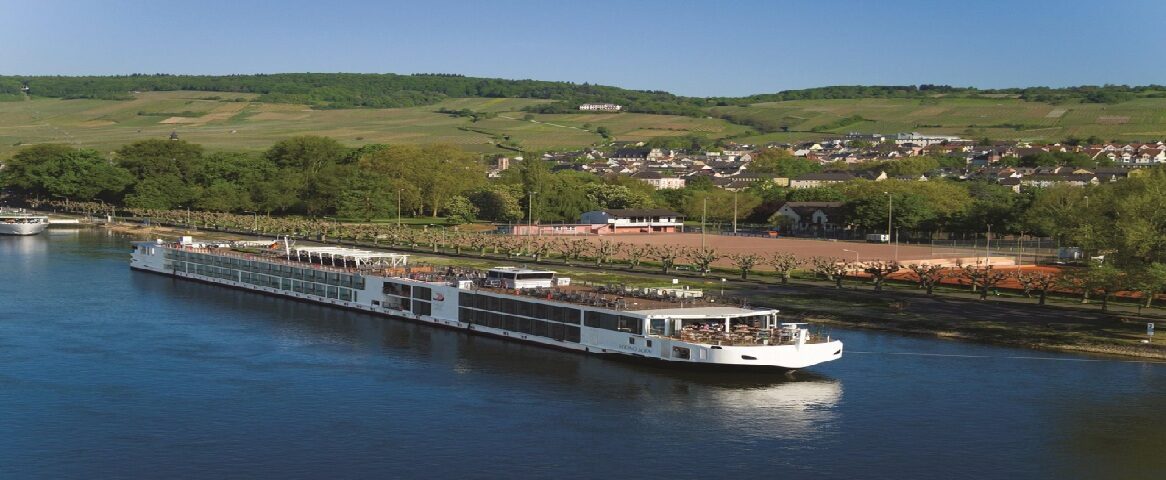
Viking Sigrun
30 Cruises
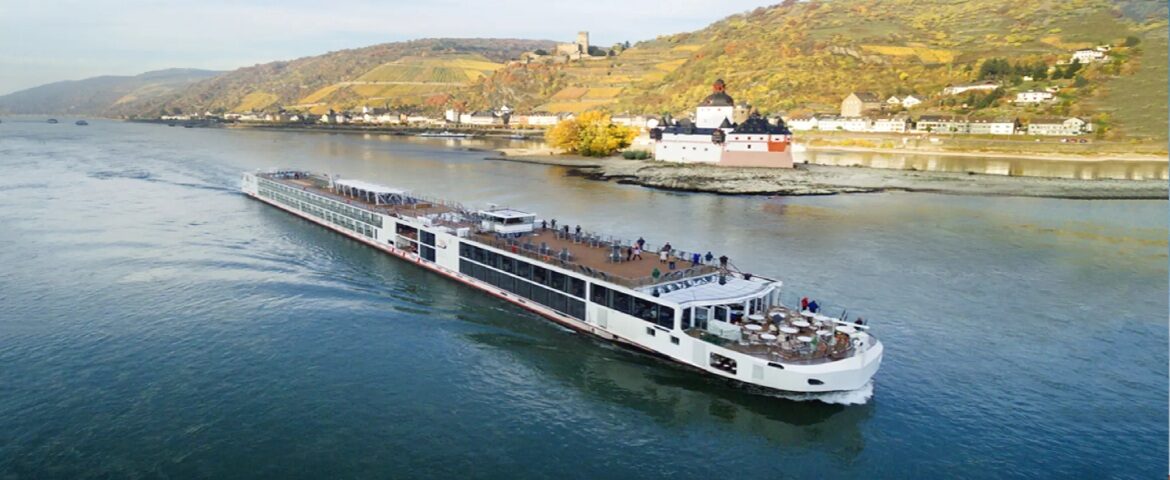
| 26 April | 14 days | One-way from Amsterdam to Avignon |
450-628-6241
Call us
|
| 26 April | 14 nights | One-way from Amsterdam to Avignon |
450-628-6241
Call us
|
Vienne, France | River Cruise Port Guide
Frequently Asked Questions
Along the Rhône quays, immediately beside the town centre. The Temple of Augustus and Livia is a five-minute walk from the pontoons, and so is the cathedral. No shuttle is needed.
Everything is close: the Temple of Augustus and Livia 5 minutes, Saint-Maurice cathedral 5 minutes, the Roman theatre 10 to 15 minutes through the shopping streets, the Saint-Romain-en-Gal site 15 minutes across the bridge, and the Pipet viewpoint 20 to 30 minutes of steady climbing.
A Roman temple still standing, in the middle of the market square. Built under the first emperor, it survived through a succession of reuses as church, courthouse and museum. Along with the Maison Carrée in Nîmes, it is one of only a handful of intact Roman temples in France, and it sits there among the market stalls and café terraces.
A workable circuit: the Temple of Augustus and Livia, Saint-Maurice cathedral, the free open-air Cybele archaeological garden, then the Roman theatre. If your call runs past five hours, add either the Pipet viewpoint or the Saint-Romain-en-Gal site across the river, but not both.
Yes. Built into the Pipet hillside, it was among the largest in Roman Gaul and its restored tiers seated about 13,000. Since 1981 the Jazz à Vienne festival has filled it every summer: if your call falls during the festival, access can be limited by stage construction.
It is steady work: 20 to 30 minutes uphill from the theatre, with little shade in hot weather. At the top, the chapel and the panorama over the rooftops, the river and the hills west of Lyon repay the effort. If walking is difficult, stay below: the lower town already holds the essentials.
The Saint-Romain-en-Gal archaeological site, one of the largest in France: mosaics, baths and warehouses of a 2nd-century residential district spread over several hectares. Its glass-and-steel museum, set above the excavations, displays frescoes and models of Roman Vienna. Allow a good hour, more if the subject grips you.
Because Fernand Point ran La Pyramide here, the restaurant where Paul Bocuse and the Troisgros brothers trained. It is the acknowledged cradle of modern French haute cuisine. The house still operates, still starred, near the obelisk that once marked the centre of the Roman circus and gave the restaurant its name.
Yes. Downstream begin the Côte-Rôtie and Condrieu crus, and many excursions pair them with the call. It is a trade-off: the vineyards take the half-day and you will not see the Roman sites, which are the whole point of stopping here.
The euro and French. Cards are accepted throughout the centre. Watch the name: this is Vienne in France's Rhône valley, not the Austrian capital Vienna.


