Tilos Island Greece

Port of Tilos, Greece | Cruise Port Guide

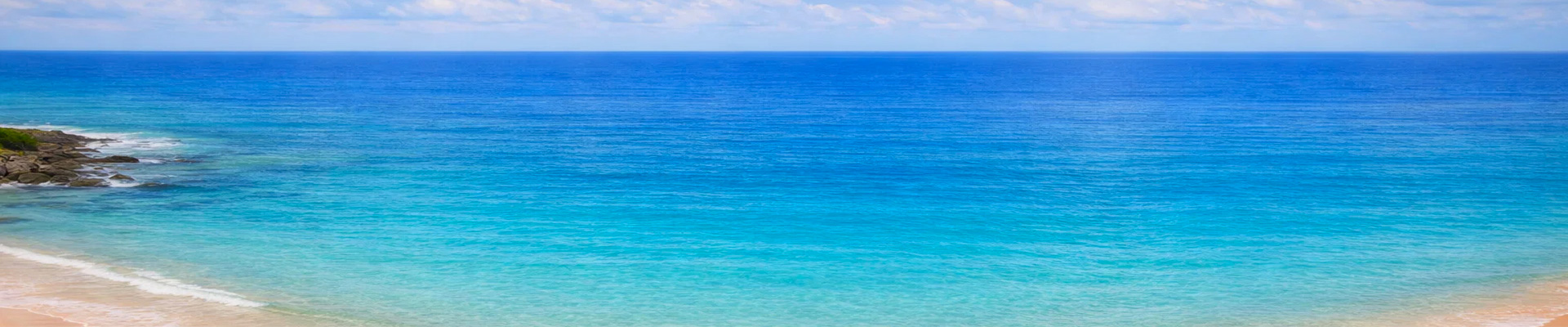
Some islands are worth the effort precisely because they are rare. Tilos, set between Rhodes and Kos, is on no mass-tourism circuit: only modest-sized ships drop anchor off Livadia, its only coastal village. What landing here reveals feels like a privilege. A crescent-shaped bay, a pebble beach lined with tamarisks, a square where fishermen sell the morning's catch, and behind it all, bare mountains echoing with goat bells. The entire island is a nature reserve, a refuge for rare birds and trails where you meet almost no one.

Livadia, a village by the water

A tour of the village needs no map. The seaside promenade follows the curve of the bay for nearly 2 km, dotted with tavernas whose tables almost touch the waves. Life revolves around the square: the café where the old men play tavli, the grocery selling local thyme honey and the little white church with blue shutters. In the morning, boats unload octopus and rockfish that will end up on the grills by noon. Village children dive off the quay after school, watched by grandparents seated at the tables. Nothing is rushed here, and that is exactly the point.

Megalo Chorio and the Knights' Castle

A taxi or the island bus takes you in a quarter of an hour to Megalo Chorio, the tiny capital clinging to the mountainside. Flower-filled lanes, whitewashed houses and pebble-paved courtyards: the village can be explored in half an hour, but the climb to the Castle of the Knights of St. John, perched above the rooftops, adds an hour and a reward. From the walls, the view plunges over the farming plain, Eristos Bay and the sea all the way to the Turkish coast.

The dwarf elephants of Charkadio Cave

Tilos holds a story few islands can tell. In Charkadio Cave, the bones of dwarf elephants were unearthed, barely 1.5 metres tall, which roamed these hills until just a few thousand years ago. The small paleontological museum near Megalo Chorio displays these astonishing fossils, the last elephants of Europe. Seeing these miniature tusks a few kilometres from an Aegean beach creates a sense of dislocation you'll talk about long afterward.

The island that leads by example

Discreet as it is, Tilos is a pioneer: the first island in the Mediterranean to meet its electricity needs with wind and solar power, and the first in Greece to aim for zero waste. Visitors notice it in the sorting stations, the municipal electric vehicles and the absence of plastic in the shops. This commitment fits with its status as a nature park: the island is home to dozens of nesting bird species, including Bonelli's eagle, which hikers sometimes spot above the ridges.

Swims and trails

The remaining time is divided between the water and the paths. Eristos Beach, a wide strip of grey sand fringed with tamarisks, is considered one of the most beautiful in the Dodecanese and remains almost deserted off-season, with no sound but the wind in the branches. Marked trails link monasteries, chapels and coves: the one to Agios Panteleimonas Monastery, nestled in a green gorge facing the sea, offers the island's finest walk for those with a good two hours.

Livadia Bay takes on the air of a well-kept secret when it's time to return on board. Tilos seeks neither crowds nor spotlights; it simply keeps living at its own pace, among its birds, its goats and its vanished elephants. Travellers who have visited know they now belong to a small circle, and that thought follows the ship's wake for a long time.

Frequently Asked Questions

At Livadia, the island's only coastal town, off which only smaller ships anchor. A crescent bay, a pebble beach fringed with tamarisks, and a square where fishermen sell the morning catch.
The Livadia seafront walk, nearly 2 km along the bay, then a quarter-hour drive to Megalo Chorio and the climb to the Knights' castle. The nearby palaeontology museum rounds out the morning.
The tiny capital clinging to the mountainside, a quarter of an hour by taxi or shuttle from the landing. Flowered lanes, whitewashed houses and pebbled courtyards take half an hour; the castle climb adds another.
Yes, dwarf elephants barely 1.5 metres tall, whose bones were uncovered in the Charkadio cave. The small palaeontology museum near Megalo Chorio displays the fossils, the last elephants of Europe.
A fortress of the Knights of Saint John perched above the rooftops of Megalo Chorio. From the walls the view plunges over the farming plain, Eristos bay and the sea as far as the Turkish coast. Allow an hour there and back.
Because it is the first Mediterranean island to cover its electricity needs with wind and solar, and the first in Greece to aim for zero waste. Visitors notice it in the recycling points, the municipal electric vehicles and the absence of plastic in the shops.
Yes, the whole island is a nature reserve and shelters dozens of breeding species, including Bonelli's eagle, which walkers sometimes spot above the ridges.
Eristos, a broad band of grey sand fringed with tamarisks, often ranked among the finest in the Dodecanese. It stays nearly deserted outside high season, with no sound but wind in the branches.
Yes, marked paths link monasteries, chapels and coves. The one to Agios Panteleimonas monastery, tucked into a green gorge facing the sea, offers the island's finest walk for anyone with a good two hours.
The euro and Greek. English gets by in the taverns of Livadia, but the island appears on no mass-market circuit: bring cash, especially for taxis and the grocery.