Soller-Mallorca Majorca Island Balearic Spain
Port de Sóller, Mallorca | Cruise Port Guide

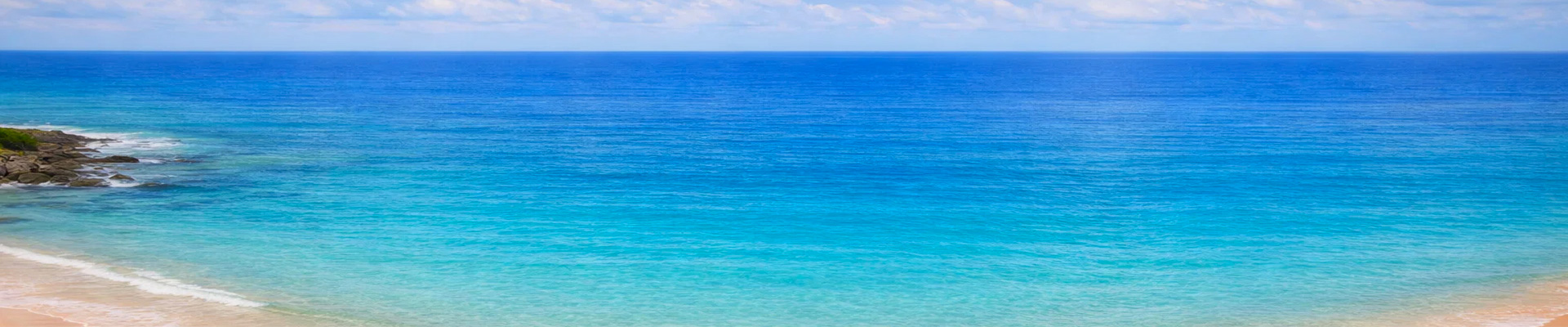
A tram bell, the scent of citrus, mountains falling into the sea: Port de Sóller condenses into a few images what is most distinctive about Mallorca's northwest coast. Here, there's no giant terminal or concrete waterfront. The almost circular bay, guarded by two lighthouses, welcomes only small ships, and the Serra de Tramuntana, a UNESCO World Heritage Site, encloses it all with its limestone ridges.

A bay to explore on foot

Ships anchor in the harbour and tenders drop passengers at the marina, right in the heart of the village. The promenade that follows the curve of the bay makes for an easy stroll: sand and pebble beaches, café terraces, fishing boats and old villas follow one another all the way to the lighthouses framing the channel. The mountains close off the horizon on every side, and this setting would almost be enough to fill the day. Walking enthusiasts can continue to the Cap Gros lighthouse, whose esplanade overlooks the harbour entrance; the path climbs seriously, but the view of the ridges and the sea rewards the effort, especially late in the day. But the best of the port call lies hidden in the valley, behind the first line of hills.

The orange grove tram

From the waterfront, a historic tram links the port to the town of Sóller, about three kilometres inland. The wooden cars run about every thirty minutes, tickets are bought on board, and the cars cross gardens, orchards and backyards with a clatter from another century. The valley was long one of the main citrus orchards of the Mediterranean, and orange trees still line the track. At the terminus, Plaça de la Constitució gathers cafés and stone façades around the church of Sant Bartomeu, whose façade was redesigned in the early 20th century by a student of Gaudí. The town's ice cream shops offer flavours made with the valley's oranges and lemons, and the terraces fill up by late morning; sitting down there, beneath the plane trees, is an integral part of the outing.

The 1912 train to Palma

Passengers with a long port call can take the experience further: from the town's station, a narrow-gauge train inaugurated in 1912 crosses the Tramuntana all the way to Palma. Wooden carriages, period benches, thirteen tunnels including one 2,856 metres long dug by hand through the mountain: the roughly 55-minute ride crosses terraced olive groves and rock faces. Originally built to carry oranges from the orchards to the capital, this train remains one of the most renowned rail journeys in Spain. Just be sure to fit the round trip into your schedule before setting off, as departures thin out as the day goes on.

Getting around during the port call

ConnectionApproximate time
Tram from the port to town15 to 20 minutes
Historic train to Palmaabout 55 minutes
Waterfront promenadeat your own pace

The most popular formula among cruise passengers combines a morning in the valley, a fish meal on the waterfront and a swim before re-embarking; families, for their part, appreciate the gently sloping beach, where the water stays calm in the shelter of the two jetties. Fresh-squeezed orange juice, served everywhere, is the official drink of the port call.

Back to the ship

As the tender crosses the bay again, the sun sinks behind the ridges and lights up the port's façades one by one. The tram bell still rings somewhere behind the palm trees. Sóller leaves travellers with a rare impression: that of having travelled, for a day, the paths of a Mallorca from before mass tourism.

Frequently Asked Questions

By tender. Ships anchor in the almost circular bay, guarded by two lighthouses, and launches land passengers at the marina in the middle of the village. Only smaller ships call here.
The historic tram up to Sóller town in the morning, a fish lunch on the seafront, then a swim before returning aboard. That is the most popular formula and it works without rushing.
A historic tram of wooden cars linking the port to the town about three kilometres inland. It runs roughly every thirty minutes, tickets are bought on board, and it rattles through gardens, orchards and back yards in the style of another century.
The Plaça de la Constitució, with cafés and stone facades around the church of Sant Bartomeu, whose front was redesigned in the early twentieth century by a pupil of Gaudí. The town's ice cream shops run through the valley's orange and lemon flavours.
Because the valley was long one of the Mediterranean's main citrus orchards. Orange trees still line the tram route, and fresh orange juice serves as the unofficial drink of the call.
Yes, if the call is long. A narrow-gauge railway opened in 1912 crosses the Tramuntana to Palma in about 55 minutes: wooden carriages, period benches, thirteen tunnels including one of 2,856 metres cut by hand. Factor the return into your schedule before committing, as departures thin out through the day.
Yes, easily. The beach shelves gently and the water stays calm behind the two jetties, which suits families well. Sand and shingle share the shoreline along the promenade.
Yes, out to the Cap Gros lighthouse, whose terrace overlooks the entrance to the bay. The path climbs in earnest, but the view over the ridges and the sea repays the effort, especially late in the day.
The limestone range that encircles the bay, inscribed on the UNESCO World Heritage list. It gives this northwest coast of Mallorca its character: mountains dropping straight into the sea, with no concrete seafront.
No, and that is the point of the call. No huge terminal, no big resort: an almost enclosed bay, a village, a tram with a bell. You touch a Mallorca from before mass tourism.