Portland OR Oregon
620
Cruises availables
At departure or passage at this port
American Cruise Lines (614 Cruises)
American Harmony
186 Cruises
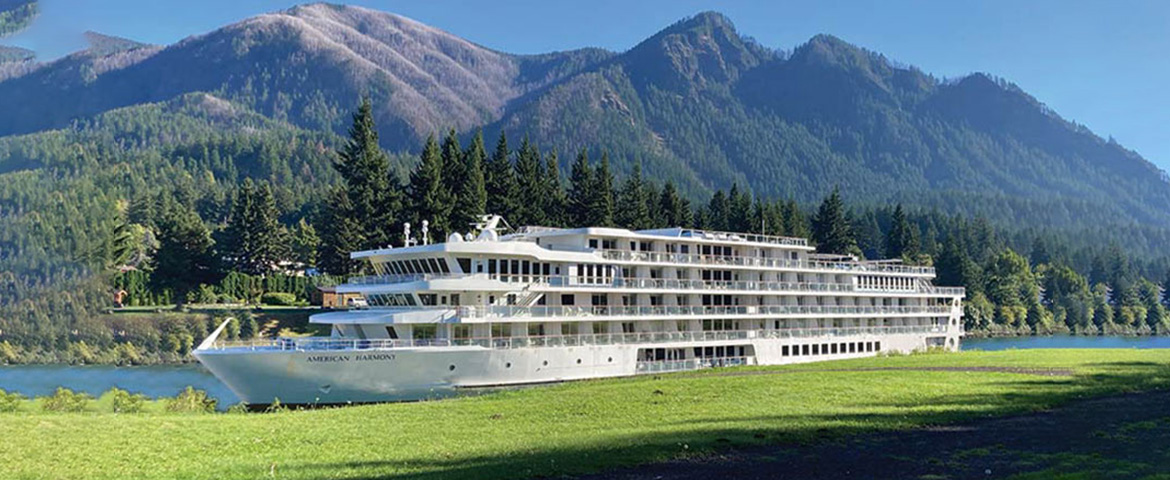

American Pioneer
10 Cruises
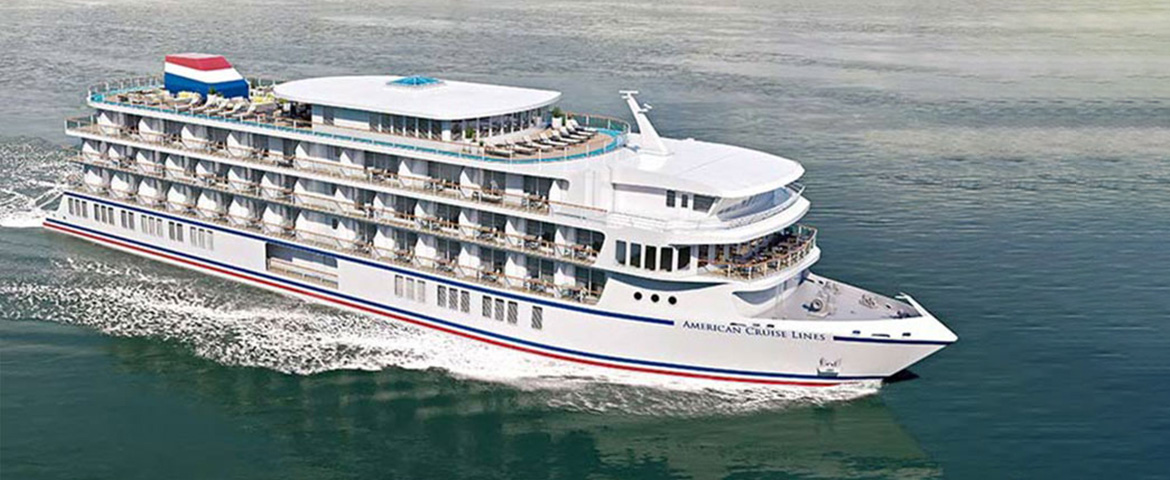
| 5 June | 14 days | Round-trip 15 Night Grand New England Cruise and Land Tour |
450-628-6241
Call us
|
| 19 June | 14 days | Round-trip 15 Night Grand New England Cruise and Land Tour |
450-628-6241
Call us
|
| 14 August | 14 days | Round-trip 15 Night Grand New England Cruise and Land Tour |
450-628-6241
Call us
|
| 28 August | 14 days | Round-trip 15 Night Grand New England Cruise and Land Tour |
450-628-6241
Call us
|
American Pride
206 Cruises
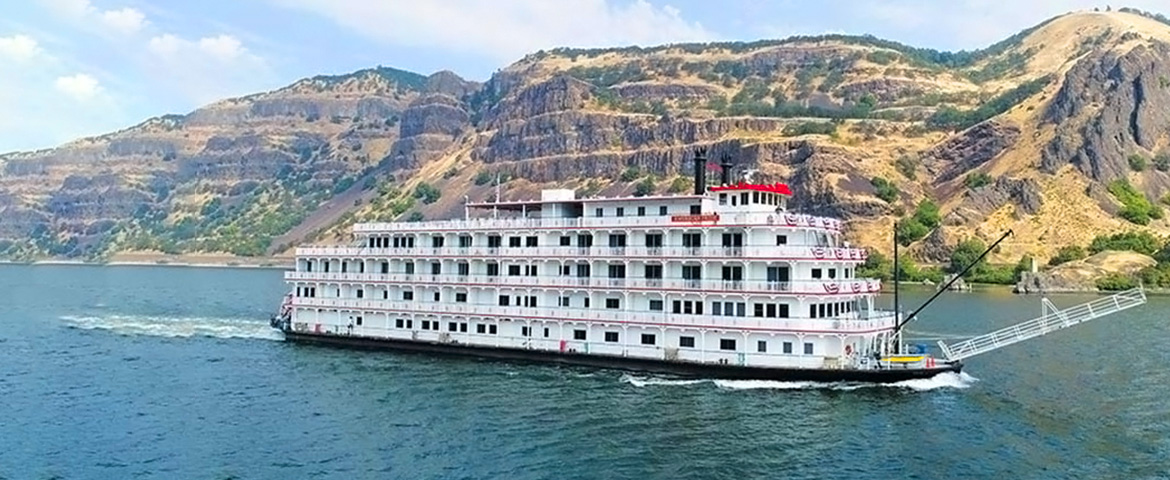
| 29 March | 6 nights | Round-trip from Portland OR, USA |
450-628-6241
Call us
|
| 30 March | 5 days | Round-trip 6 Night Columbia River Gorge Cruise and Land Tour |
450-628-6241
Call us
|
| 27 March | 6 nights | Round-trip from Portland OR, USA |
450-628-6241
Call us
|
| 28 March | 5 days | Round-trip 6 Night Columbia River Gorge Cruise and Land Tour |
450-628-6241
Call us
|
American Song
212 Cruises
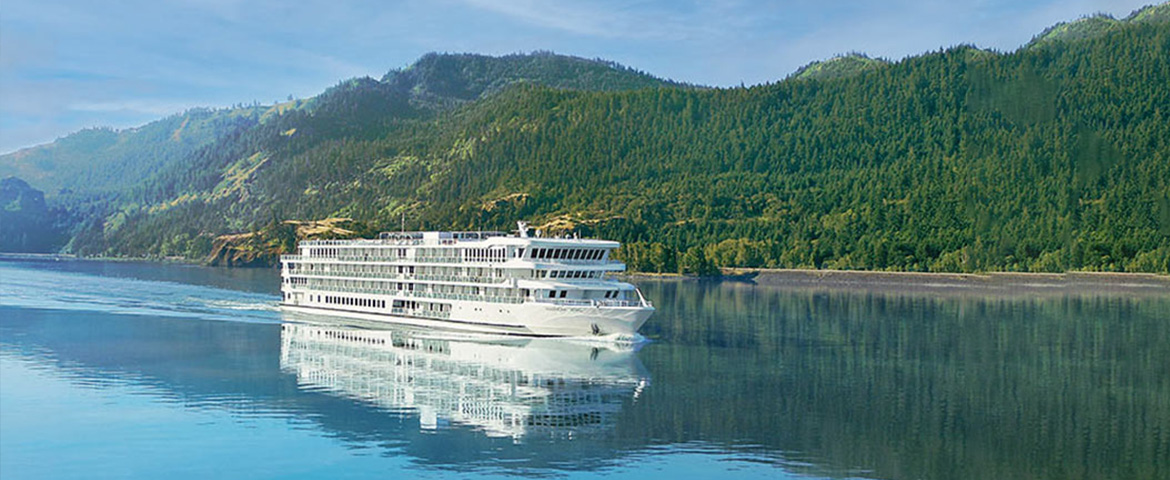
| 30 March | 8 nights | One-way from Portland OR to Clarkston WA |
450-628-6241
Call us
|
| 31 March | 6 days | One-way from Portland OR to Clarkston WA |
450-628-6241
Call us
|
| 28 March | 8 nights | One-way from Portland OR to Clarkston WA |
450-628-6241
Call us
|
| 29 March | 6 days | One-way from Portland OR to Clarkston WA |
450-628-6241
Call us
|



Portland, Oregon | Cruise Port Guide
Frequently Asked Questions
Right downtown, on the Willamette River. River vessels coming down the Columbia turn into the Willamette and tie up where wooden wharves once received steamers loaded with wheat and lumber, at the foot of the downtown towers.
Yes, the whole downtown is walkable. Tom McCall Waterfront Park runs along the Willamette from the pier and reaches the historic districts in minutes. Only Washington Park, up in the hills, calls for the streetcar or a bus.
Walk Tom McCall Waterfront Park to Powell’s City of Books, continue into the Pearl District for galleries and craft breweries, then eat at one of the street food cart pods. With time to spare, head up to Washington Park for the rose garden.
Because of the International Rose Test Garden, high in Washington Park: more than ten thousand rose bushes terraced against the silhouette of Mount Hood. The test garden was founded during the First World War to safeguard European varieties, and peak bloom runs from June to September.
By its own account the largest independent bookstore in the world, filling an entire city block in the business district. Staff hand you a map at the door so you can find your way through the new and used sections.
Yes, but only if your call lasts a full day: allow roughly 45 minutes of driving each way. Multnomah Falls drops nearly 190 metres in two tiers, and the historic scenic highway strings together viewpoints and trails between basalt cliffs.
No. Oregon charges no sales tax, so the marked price is the price you pay. The currency is the US dollar, credit cards are accepted everywhere, and restaurant tipping runs 15 to 20 percent.
English. No special language skills are needed for the day, and downtown businesses are used to visitors passing through.
Yes. Powell’s, the Washington Park gardens, the Japanese Garden and the food cart pods work for all ages, and the streetcar spares you the long walks. The one catch is the climb to Washington Park, better done by transit than on foot with young children.
June to September: roses in bloom, patios open and less rain. The rest of the year a light rain jacket is the faithful companion of the local climate, and good walking shoes make sense in any season.


