The Dalles OR Oregon
331
Cruises availables
At departure or passage at this port
American Cruise Lines (328 Cruises)
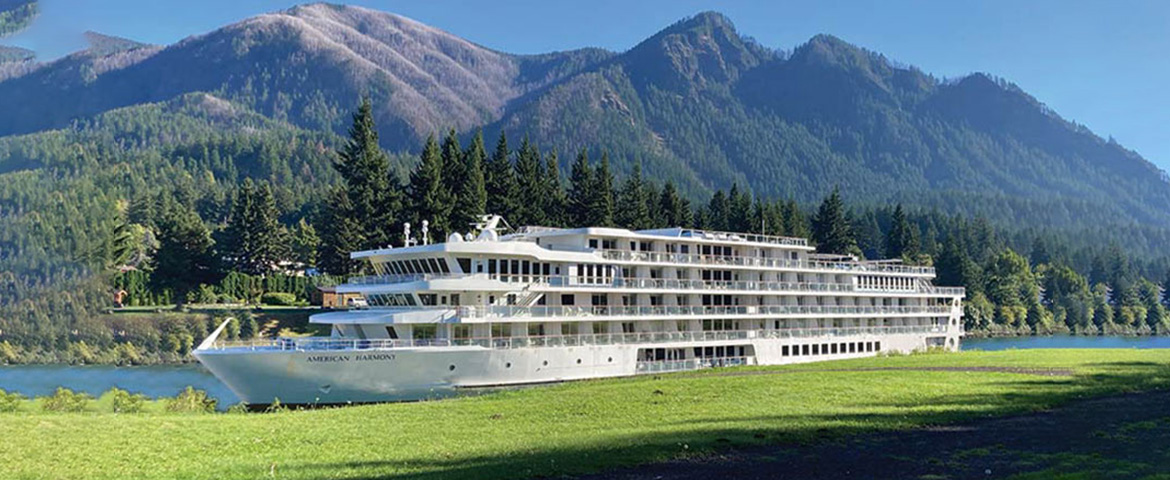
American Harmony
98 Cruises

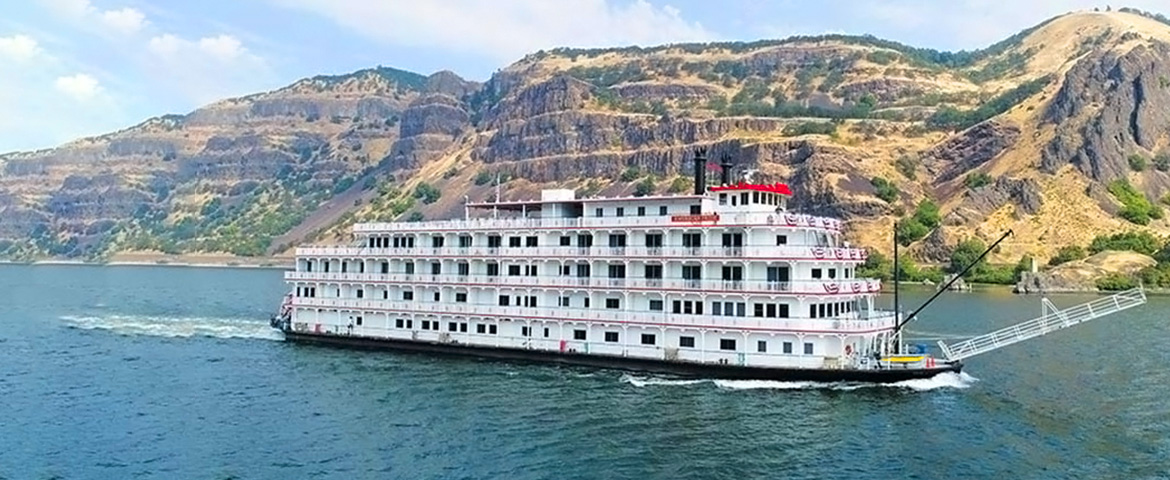
American Pride
122 Cruises
| 29 March | 6 nights | Round-trip from Portland OR, USA |
450-628-6241
Call us
|
| 30 March | 5 days | Round-trip 6 Night Columbia River Gorge Cruise and Land Tour |
450-628-6241
Call us
|
| 27 March | 6 nights | Round-trip from Portland OR, USA |
450-628-6241
Call us
|
| 28 March | 5 days | Round-trip 6 Night Columbia River Gorge Cruise and Land Tour |
450-628-6241
Call us
|
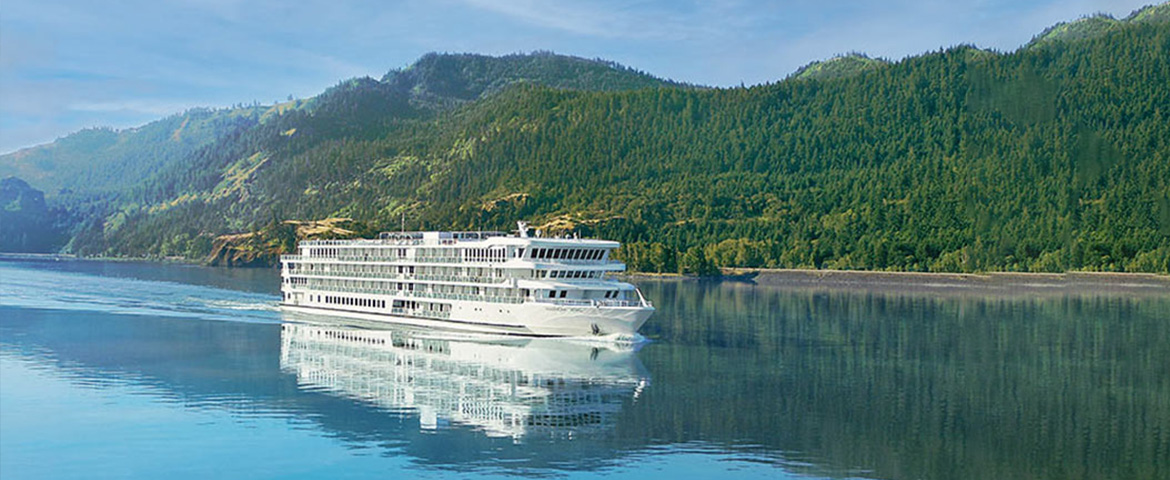
American Song
108 Cruises
| 30 March | 8 nights | One-way from Portland OR to Clarkston WA |
450-628-6241
Call us
|
| 31 March | 6 days | One-way from Portland OR to Clarkston WA |
450-628-6241
Call us
|
| 28 March | 8 nights | One-way from Portland OR to Clarkston WA |
450-628-6241
Call us
|
| 29 March | 6 days | One-way from Portland OR to Clarkston WA |
450-628-6241
Call us
|

The Dalles, Oregon | Cruise Port Guide
Frequently Asked Questions
At the riverfront landing, just a few blocks from the historic core. You reach the 19th-century brick storefronts on foot, with no mandatory shuttle and no tight schedule.
Yes, and it is the best way to do it. The historic district, the murals, the shops and the fort museum are all walkable. Volunteers often greet passengers at the landing with maps and suggestions.
The historic district mural walk, barely an hour, then the Fort Dalles Museum up the hill, and a stop at a downtown tasting room. That comfortably fills half a day.
It is a self-guided walk, map in hand, where the walls of the historic district tell the region's past on a large scale: Indigenous peoples fishing salmon at the rapids, pioneer wagon trains, the stagecoach era. Plaques explain each scene.
It occupies the former surgeon's quarters of an 1856 military post. Period furniture, military artifacts and settler wagons sit alongside a century-old Swedish farmhouse moved to the site. Volunteers lead the tours with real enthusiasm.
This is where many families on the trail chose between the river and the mountain to finish their journey. The town marked one of the last great crossroads before the Willamette Valley.
It takes a short taxi or shore-excursion shuttle ride: the centre sits at the eastern edge of town, not within walking distance. Exhibits cover the geology of the ancient floods, First Nations culture and live birds of prey.
The US dollar and English. Credit cards are accepted everywhere downtown.
Yes, especially for children who enjoy walking: the murals, the restored neon signs at the sign museum and the live raptors at the discovery centre hold their attention well. Downtown is flat and distances are short.
From spring to fall, the Columbia River cruising season. In summer the dry heat surprises visitors arriving from Portland's damp forests, so bring water and a hat. Cherry season, in a region that is one of the country's largest producers, falls in early summer.


