Tracy Arm Fjord Alaska
434
Cruises availables
At departure or passage at this port
Azamara Club Cruises (1 Cruises)


Carnival Cruise Line (53 Cruises)
Carnival Legend
22 Cruises


| 20 April | 7 nights | Round-trip from Seattle, USA |
From
851$
|
| 27 April | 7 nights | Round-trip from Seattle, USA |
From
822$
|
Carnival Luminosa
10 Cruises

| 3 May | 10 nights | Round-trip from San Francisco, USA |
From
1401$
|
| 17 May | 10 nights | Round-trip from San Francisco, USA |
From
1412$
|
| 31 May | 10 nights | Round-trip from San Francisco, USA |
From
1570$
|
| 14 June | 10 nights | Round-trip from San Francisco, USA |
From
1857$
|
| 28 June | 10 nights | Round-trip from San Francisco, USA |
From
1743$
|
| 12 July | 10 nights | Round-trip from San Francisco, USA |
From
1845$
|
| 26 July | 10 nights | Round-trip from San Francisco, USA |
From
1759$
|
Carnival Spirit
21 Cruises

Celebrity Cruises (35 Cruises)
Celebrity Edge
20 Cruises


| 14 May | 7 nights | One-way from Vancouver to Seattle |
450-628-6241
Call us
|
| 21 May | 7 nights | Round-trip from Seattle, USA |
From
1908$
|
| 28 May | 7 nights | Round-trip from Seattle, USA |
From
1766$
|
Celebrity Solstice
7 Cruises

| 4 June | 7 nights | One-way from Vancouver to Seward |
From
1195$
|
| 18 June | 7 nights | One-way from Vancouver to Seward |
From
1146$
|


Explora Journeys (11 Cruises)
Explora III
11 Cruises


| 1 June | 9 nights | Round-trip from Vancouver, Canada |
450-628-6241
Call us
|
| 10 June | 12 nights | Round-trip from Vancouver, Canada |
450-628-6241
Call us
|
Holland America Line (88 Cruises)


ms Koningsdam
35 Cruises


ms Noordam
14 Cruises

ms Zaandam
33 Cruises

HX Expeditions (3 Cruises)


Lindblad Expeditions (44 Cruises)
National Geographic Quest
22 Cruises


National Geographic Venture
22 Cruises

MSC Cruises (23 Cruises)
MSC Poesia
23 Cruises


| 8 April | 25 nights | One-way from Miami to Seattle |
From
3042$
|
| 26 April | 7 nights | Round-trip from Seattle, USA |
From
846$
|
Norwegian Cruise Line (25 Cruises)
Norwegian Bliss
24 Cruises


Oceania Cruises (3 Cruises)


Princess Cruises (53 Cruises)


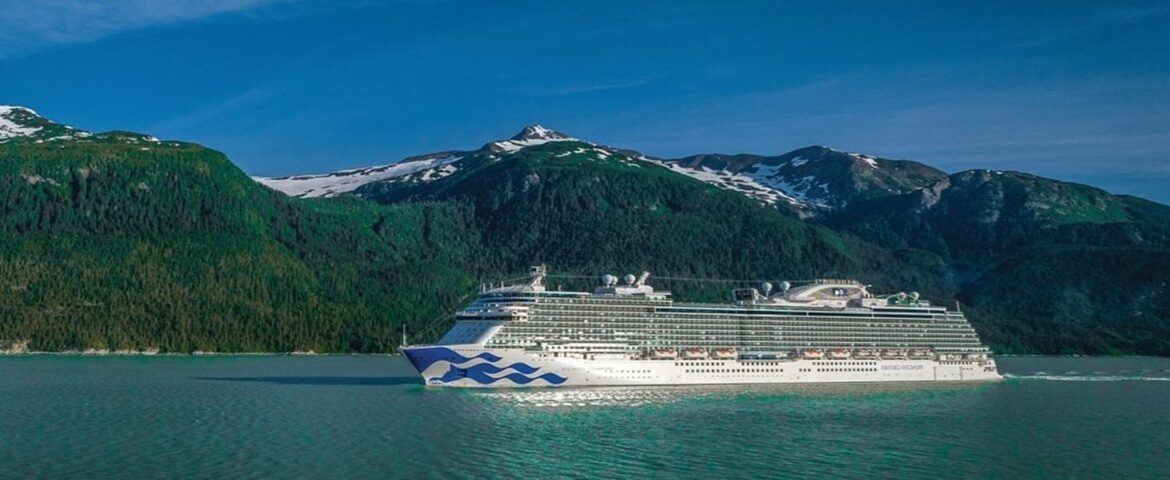
Emerald Princess
13 Cruises

Ruby Princess
11 Cruises

| 1 May | 10 nights | Round-trip from San Francisco, USA |
450-628-6241
Call us
|
| 21 May | 10 nights | Round-trip from San Francisco, USA |
450-628-6241
Call us
|
| 10 July | 10 nights | Round-trip from San Francisco, USA |
450-628-6241
Call us
|
| 30 July | 10 nights | Round-trip from San Francisco, USA |
450-628-6241
Call us
|
Star Princess
22 Cruises

Royal Caribbean Cruises (45 Cruises)
Quantum of the Seas
14 Cruises


Serenade of the Seas
16 Cruises

| 23 May | 7 nights | Round-trip from Vancouver, Canada |
From
938$
|
| 30 May | 7 nights | Round-trip from Vancouver, Canada |
From
888$
|
Voyager of the Seas
15 Cruises

Seabourn Cruise Line (22 Cruises)
Seabourn Encore
22 Cruises


| 11 June | 14 nights | Round-trip from Vancouver, Canada |
450-628-6241
Call us
|
| 18 June | 7 nights | One-way from Juneau to Vancouver |
450-628-6241
Call us
|
Silversea Cruises (25 Cruises)
Silver Muse
12 Cruises


Silver Whisper
13 Cruises

Tracy Arm Fjord, Alaska | Cruise Port Guide
Frequently Asked Questions
No. No one goes ashore and there is no pier. Tracy Arm is a day of scenic cruising in Southeast Alaska, not a port call in the usual sense.
A fjord cutting nearly 50 kilometres into the mountains of Tongass National Forest, the largest in the United States. Polished granite walls rise vertically from water turned green by glacial silt, streaked with waterfalls that sometimes drop several hundred metres.
North and South Sawyer glaciers, at the head of the fjord where it splits. Their faces rise as deep blue walls, the colour only ice compressed over centuries can produce.
Often, but nothing is guaranteed: it takes patience and some luck. When a slab breaks away, the crack carries like thunder and the ship cuts its engines. The silence that follows, broken only by melting ice crackling, is worth the day on its own.
Harbour seals by the dozen on the icebergs, where they pup safely away from orcas; mountain goats on the cliffs; bald eagles on patrol. The approach waters sometimes deliver a humpback whale's blow or a black bear spotted on shore.
Not always. The channel narrows in places and floating ice dictates the manoeuvre; some ships turn back before the glaciers, others stop at the entrance. Captains decide day by day, and it is worth knowing before you book.
In layers. Air coming off the glaciers chills the deck suddenly, even in midsummer, and you spend the day outdoors. A waterproof shell over a fleece makes all the difference.
The best vantage points shift with each manoeuvre: alternate between the bow, the upper decks and your balcony. Stay outside when the crew announces calving; photos through glass rarely do that blue justice.
Yes, provided you bring binoculars and share them. Seals and goats often sit far from the hull, and without binoculars children lose interest quickly. There is no shop, no terrace and no shore activity: this is a day of looking.
Late May through September, the Alaska cruise season. Seals pup on the ice in early summer, and onboard naturalists usually narrate the transit, explaining the milky water and the formation of moraines.


