Rosslare Europort Ireland
Rosslare Europort, Ireland | Cruise Port Guide

Southeast Ireland has a special reputation among the Irish themselves: it's the sunniest corner of the country. Rosslare Europort, set on this tip of County Wexford, lives first and foremost to the rhythm of the ferries linking the island to Wales and France. Cruise ships call here less often, and that may be what makes the place interesting: nothing here has been developed for mass tourism. You dock in a real working port, and the Irish countryside begins right behind it.

Arriving at the terminal

The pier mainly serves ferries, and the passenger terminal is just a few steps from the berth. The bus station is right at the exit, with regular connections to Wexford and Waterford. Most visitors quickly leave the port area: the appeal of this port call lies in the surrounding area, between beaches, fishing villages and historic estates.

The Viking-founded neighbour

About twenty kilometres to the north, Wexford lines up its quays along the estuary of the River Slaney. The town owes its name to the Vikings who settled there, and its centre has kept a layout of narrow lanes where independent shops still dominate. You can stroll the main street in a leisurely hour, between pubs, bookstores and artisans' windows, before reaching the remains of Selskar Abbey, witness to eight centuries of religious history.

Nine thousand years of Ireland in a single park

Close by, the Irish National Heritage Park tells the story of human settlement on the island since prehistoric times. This open-air museum recreates the dwellings of each era: Mesolithic campsites, Celtic farmsteads, an early Christian monastery, a round tower and a Norman fort. Guides in costume explain everyday tasks, and the woodland trail can be walked unhurriedly in two hours. For a first encounter with Irish history, it would be hard to find anything more tangible.

Johnstown Castle and its gardens

About twenty minutes' drive from the terminal, the Johnstown Castle estate brings together a neo-Gothic castle, a lake where peacocks parade and gardens designed in the 19th century. The former farm buildings house the Irish Agricultural Museum, which documents rural life of yesteryear: carts, craft workshops, farmhouse kitchens. The whole estate can be visited at a peaceful pace, between wooded paths and flower-lined banks.

Kilmore Quay and the south coast

To the southwest, the fishing village of Kilmore Quay has kept its whitewashed thatched cottages and its quay bustling with lobster pots. People come here to walk by the sea and enjoy fish and chips facing the boats. Lighthouse lovers will continue to the Hook Peninsula, home to one of the oldest working lighthouses in the world; allow about forty-five minutes by road from the port.

Pointers for planning the day

DestinationApproximate distanceMain interest
Rosslare StrandA few kilometres awayLong sandy beach
WexfordAbout 20 kmHistoric town, shops, Selskar Abbey
Irish National Heritage ParkAbout 20 kmOpen-air museum, 9,000 years of history
Johnstown CastleAbout twenty minutes by roadCastle, gardens, agricultural museum
Kilmore QuayAbout twenty kilometresFishing village, seafood

Without an organized excursion, taxis and buses remain the simplest options; distances are short, but country roads take a little time.

The beach before heading back on board

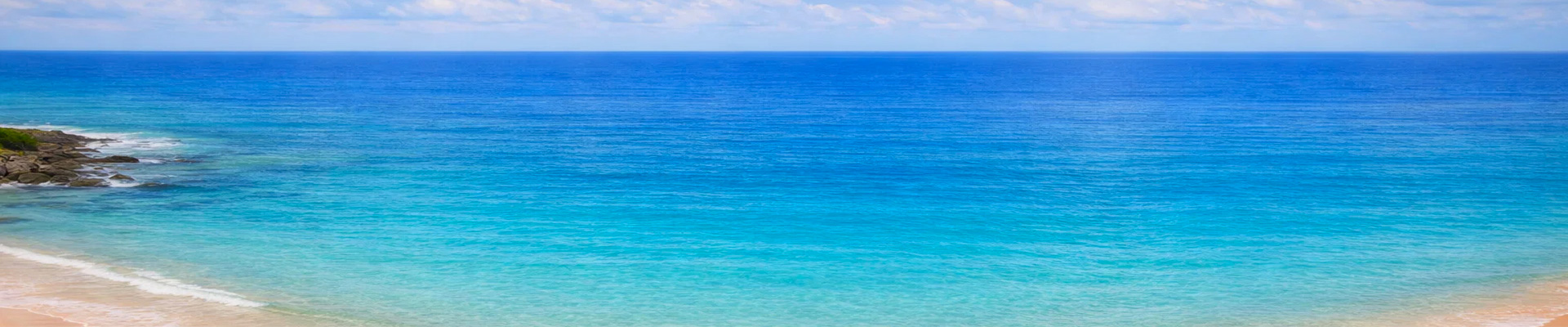
If you have an hour left, the long strip of sand at Rosslare Strand stretches out right near the terminal. Local families come to walk here summer and winter, when the tide uncovers a vast foreshore. It's a lovely way to end the day: ferries glide offshore, oystercatchers probe the sand, and the air smells of seaweed. This port call doesn't try to impress. Instead, it offers a piece of ordinary Ireland, rural and maritime, the kind you don't see on the classic tours. Many travellers return on board promising themselves to one day give this county all the time it deserves.

Frequently Asked Questions

At the quay that mainly serves ferries linking Ireland to Wales and France, in County Wexford. The passenger terminal is a few steps from the berth, and the bus station sits just outside.
Not much: it is a genuine working port, not a tourist development. Most visitors leave the port area quickly, because the interest of this call lies in the surroundings — beaches, fishing villages and historic estates.
The bus station at the terminal exit runs regular services to Wexford and Waterford. Without an organised excursion, taxi and bus are the simplest options: distances are short, but country roads take their time.
A town founded by the Vikings, about 20 km north, whose centre keeps a layout of narrow lanes where independent shops still dominate. You can walk the main street in an unhurried hour before reaching the remains of Selskar Abbey.
An open-air museum about 20 km from the port, recreating dwellings from every era: Mesolithic camps, Celtic farms, an early Christian monastery, a round tower and a Norman ringfort. Costumed guides explain daily life; allow two unhurried hours.
An estate about twenty minutes by road from the terminal, combining a neo-Gothic castle, a lake where peacocks parade and gardens laid out in the nineteenth century. The former farm buildings house the Irish Agricultural Museum, devoted to rural life of the past.
A fishing village to the southwest that has kept its whitewashed thatched cottages and a quay busy with lobster pots. People come to walk by the sea and eat fish and chips facing the boats.
Yes, about forty-five minutes by road: the Hook peninsula holds one of the oldest working lighthouses in the world. It is the longest excursion available from the port, best kept for generous calls.
Wexford and the Irish National Heritage Park, which are neighbours, make the most efficient pairing. Johnstown Castle is a quieter alternative. If an hour is left, Rosslare Strand is only a few kilometres away.
Yes, Rosslare Strand, a long band of sand close to the terminal. Local families walk it summer and winter, when the tide uncovers a vast foreshore. It is a fine way to end the day before heading back aboard.