Snares Islands NZ New Zealand Subantarctic
New Zealand

Snares Islands | Cruise Port Guide

At dusk, the sky begins to vibrate. Hundreds of thousands of sooty shearwaters return from the open sea and converge on the same dark cliffs, in a whirlwind that seems never to run out. Several million of these birds are estimated to nest in summer on the Snares Islands, a tiny archipelago set in the Southern Ocean south of New Zealand, off Stewart Island. Few places in the world offer such a density of wildlife on so little land.

A sanctuary where no one lands

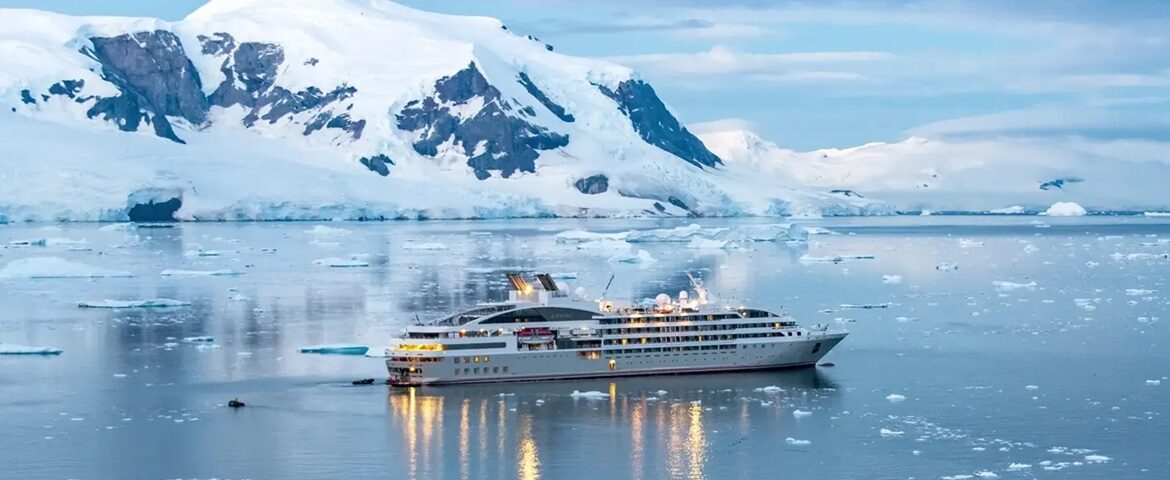
The archipelago holds a rare distinction: it's the only group of New Zealand's sub-Antarctic islands that introduced species have never reached. No rats, no mice, no cats. To preserve this balance, landing remains forbidden to everyone except a few scientists with permits. Expedition ships that approach therefore launch their inflatables and follow the coasts as closely as possible, engines idling. This restriction, far from diminishing the visit, gives it its character: you observe an intact world from its edge, without ever setting foot in it. Naturalist guides prepare the visit from the observation lounge, with maps and bird silhouettes, so that everyone climbs into the boats knowing what to look for.

The Zodiac cruise

When the swell allows, the boats slip along the granite cliffs, between long strands of kelp undulating on the surface like hair. The guides sometimes cut the engine: then you hear only the surf, the cries of the birds and the breathing of the fur seals. The sea caves carved at the base of the cliffs light up with green reflections, and each cove reveals its colony, its sentinels, its neighbourly squabbles. Ho Ho Bay, on the east coast, is among the areas most frequented by wildlife.

The Snares penguin, the endemic

The star of the show is a crested penguin found nowhere else: the Snares penguin, recognizable by its bright yellow eyebrows. About 35,000 individuals breed on these rocks, climbing the polished rocks to reach their colonies established beneath the low forest of olearias, the daisy trees that cap the island with a wind-twisted canopy. Around them roam fur seals and New Zealand sea lions, while several species of albatross nest on the slopes and cruise past the Zodiacs.

Little songbirds at the end of the world

Binoculars also reveal more discreet presences: the Snares tomtit, a small dark songbird endemic to the archipelago, hops through the shoreline scrub, indifferent to visitors. For birders, spotting it is one of those once-in-a-lifetime ticks, on a par with the flight of Buller's albatrosses skimming the ridges.

A visit dictated by the weather

Be aware before you go: nothing is ever guaranteed here. The archipelago is part of expedition itineraries to the sub-Antarctic islands, inscribed on the UNESCO World Heritage List, and launching the inflatables depends entirely on the day's wind and swell. Some ships must settle for a slow pass offshore. Dress warmly, protect your camera from the spray and consider every hour spent along these coasts a privilege.

Heading south again

As the ship pulls away, the islands become what they've always been: two dark patches on an immense ocean, saturated with wings and cries. Passengers often stay on deck despite the cold, watching the shearwaters skim the waves. You leave with a quiet certainty: there are still places where nature has never given up anything, and having approached them, even without walking on them, is enough for a lifetime memory.

Frequently Asked Questions

No. Landing remains forbidden to everyone except a few scientists holding permits. Expedition ships launch their inflatables and run close along the coast at idle speed.
To protect a unique balance: this is the only group of New Zealand's subantarctic islands that introduced species have never reached. No rats, no mice, no cats. The restriction gives the visit its character — you observe an intact world from its edge.
In the Southern Ocean south of New Zealand, off Stewart Island. A tiny archipelago, inscribed with the other subantarctic islands as a UNESCO World Heritage site.
A crested penguin found nowhere else, recognizable by its bright yellow eyebrows. About 35,000 breed on these rocks, climbing the polished stone to reach colonies beneath the low olearia forest.
Several million sooty shearwaters nest here in summer. At dusk, hundreds of thousands return from the open sea and converge on the same cliffs in a swirl that seems never to end.
When the swell allows, the boats thread along the granite cliffs among long ribbons of kelp. Guides sometimes cut the engine: all you hear is the surf, the birds and the breathing of the seals. Ho Ho Bay on the east coast is among the busiest areas for wildlife.
Fur seals and New Zealand sea lions, several albatross species nesting on the slopes, and the Snares Island tomtit, a small dark endemic passerine that hops through the shoreline scrub, indifferent to visitors.
No, and it should be understood before departure. Launching the inflatables depends entirely on the day's wind and swell; some ships must settle for a slow pass offshore.
Naturalist guides brief the outing from the observation lounge, with charts and bird silhouettes, so everyone climbs into the boats knowing what to look for.
Warm and waterproof clothing, waterproof protection for the camera, and binoculars. The spray is constant and damp cold drains batteries.