Portimao Portugal
285
Cruises availables
At departure or passage at this port
Atlas Ocean Voyages (3 Cruises)


Azamara Club Cruises (33 Cruises)
Azamara Journey
23 Cruises


| 10 April | 14 nights | One-way from Lisbon to Barcelona |
450-628-6241
Call us
|
| 10 April | 7 nights | One-way from Lisbon to Malaga |
450-628-6241
Call us
|
| 15 May | 35 nights | One-way from Civitavecchia-Rome to Dublin |
450-628-6241
Call us
|
| 22 May | 7 nights | One-way from Barcelona to Lisbon |
450-628-6241
Call us
|
Azamara Onward
4 Cruises


Crystal Cruises (17 Cruises)


Crystal Serenity
7 Cruises

| 5 May | 8 nights | One-way from Lisbon to Civitavecchia-Rome |
450-628-6241
Call us
|
| 5 May | 27 nights | One-way from Lisbon to Barcelona |
450-628-6241
Call us
|
Crystal Symphony
8 Cruises

| 21 June | 28 nights | One-way from Barcelona to Copenhagen |
450-628-6241
Call us
|
| 21 June | 7 nights | One-way from Barcelona to Lisbon |
450-628-6241
Call us
|
Emerald Waterways (3 Cruises)


Lindblad Expeditions (2 Cruises)


MSC Cruises (110 Cruises)
MSC Sinfonia
76 Cruises


MSC World Europa
34 Cruises
 Image not available
Norwegian Cruise Line (17 Cruises)
Norwegian Dawn
17 Cruises


Oceania Cruises (27 Cruises)


Oceania Sonata
8 Cruises

| 8 April | 42 nights | One-way from Civitavecchia-Rome to Stockholm |
450-628-6241
Call us
|
| 8 April | 10 nights | One-way from Civitavecchia-Rome to Lisbon |
450-628-6241
Call us
|
Ponant (15 Cruises)


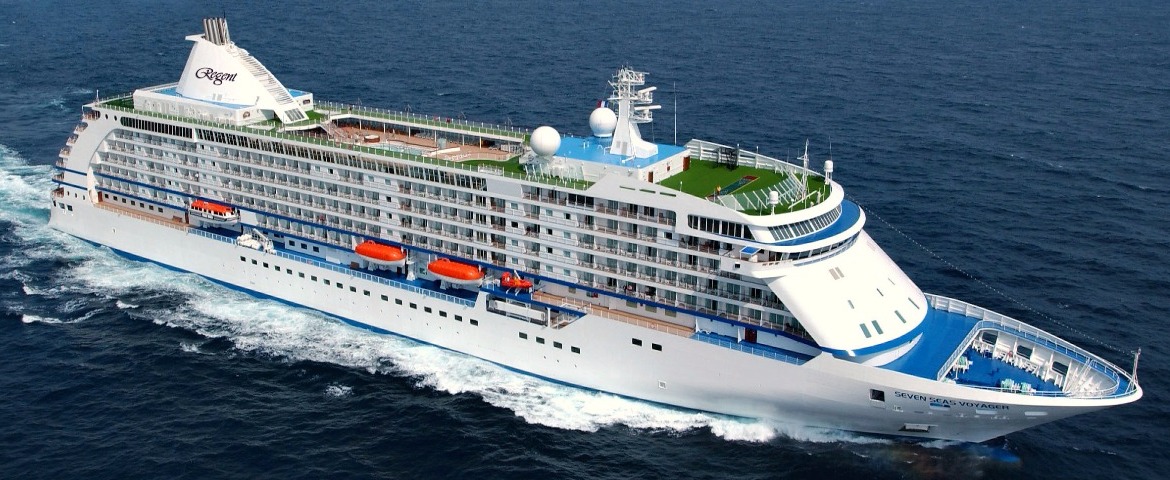
Regent Seven Seas Cruises (19 Cruises)


Seven Seas Mariner
5 Cruises




Seabourn Cruise Line (8 Cruises)


Seabourn Pursuit
5 Cruises


Silversea Cruises (14 Cruises)


Silver Shadow
4 Cruises


Portimão Portugal | Algarve Beaches & Cruise Port Guide
Frequently Asked Questions
It depends on size. Mid-size ships come alongside on the Arade river, about a kilometre and a half from the centre; larger ships anchor offshore and bring passengers in by tender.
Yes, when the ship berths on the Arade: a flat promenade follows the river into the heart of town, around the mother church. Allow about twenty easy minutes. If the ship anchors offshore, the tender lands closer in.
The sardine museum and the old centre, then Praia da Rocha, less than three kilometres south. With more time, a boat trip to the Benagil caves or a run up the Arade to Silves.
The sardine museum, housed in a former cannery at the water's edge. It tells the city's industrial story: canning lines, testimony from the women who worked them, reconstructed smells and sounds. It is one of the most engaging museums in southern Portugal.
Yes, Praia da Rocha, less than three kilometres south. The vast beach spreads below ochre cliffs carved by the ocean; wooden stairways lead down among rock stacks standing in the sand. The clifftop promenade overlooks the mouth of the Arade.
Yes, boats run east to these sea caves about fifteen kilometres away, including the famous dome pierced by an eye of light. The trip depends on sea state and can be cancelled: this is an open Atlantic coast, not a sheltered bay.
A village of white houses stacked around a small fishing harbour on the opposite bank, a few minutes away. It is one of the most photogenic villages in the Algarve and the easiest escape from the pier.
Yes if you have half a day. The former Moorish capital of the Algarve lies about fifteen kilometres inland. Its red sandstone castle, the largest in the region, overlooks orange groves; the Gothic cathedral and white lanes complete the picture.
Grilled sardines with coarse salt, first of all: the city built its fortune on that fish. Then seafood cataplana and Algarve-style octopus, in the riverfront restaurants, with a chilled regional white.
The euro and Portuguese. Cards are taken everywhere and English is widely spoken: the Algarve has hosted visitors for decades. French turns up in tourism as well.


