Sainte Anne Island Seychelles
Saint Anne Island, Seychelles | Cruise Port Guide

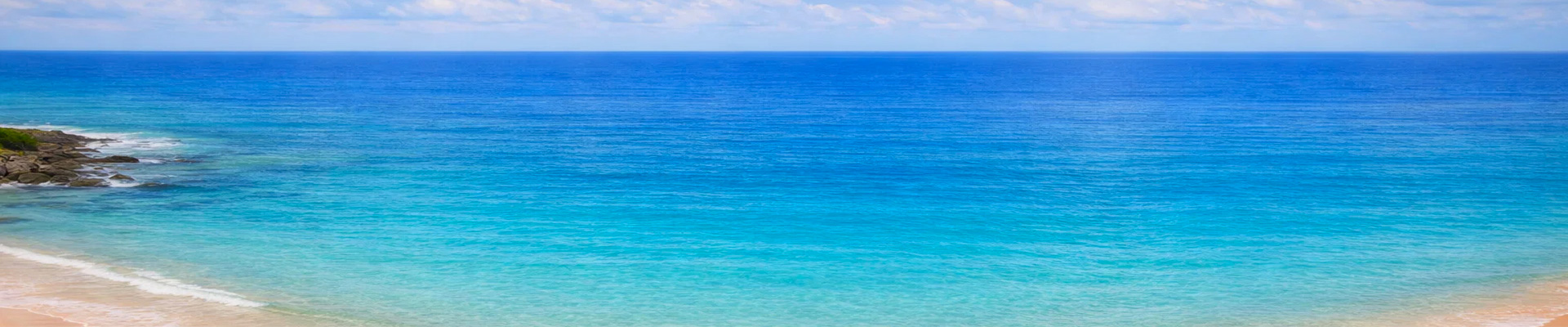
The water changes colour even before the land comes into focus. Barely four kilometres off the east coast of Mahé, the clear seabed of the marine park traces patches of turquoise and jade around Sainte Anne, the largest of the islands that make up this reserve created in 1973 — the first marine protected area in the western Indian Ocean. Expedition ships and excursion catamarans drop anchor in calm waters, and the tender ride to shore is already an observation outing: swaying seagrass beds, parrotfish and, with a little luck, the peaceful silhouette of a green turtle coming up for air.

One park, six islands

Sainte Anne isn't visited on its own; it reigns over a small protected archipelago that also includes Moyenne, Ronde, Longue, Cerf and Île Cachée. Fishing has been banned here for half a century, and the protection shows: most of the park's territory lies beneath the surface, in coral gardens and underwater meadows that feed more than 150 species of fish. Excursions sail from one anchorage to the next, alternating swims, snorkelling stops and glass-bottom boat rides for those who'd rather stay dry.

Queen of the lagoon

Seen from the water, Sainte Anne lines up its wooded hills above beaches fringed with takamaka trees. The island, now occupied by a single resort, retains a wild air: its green slopes serve as perches for seabirds and its sandy coves host nesting turtles in certain seasons. Landing depends on the day's permits; many itineraries instead favour the more accessible neighbouring islands, keeping Sainte Anne as a backdrop.

Moyenne, the tortoise refuge

The surprise of the port call fits into a few hectares. Moyenne, its tiny neighbour, was long the domain of a British journalist who turned it into a refuge for Aldabra giant tortoises. More than a hundred of them now roam freely, crossing paths with visitors on the shaded trails that circle the island in under an hour's walk. Between encounters, the path reveals viewpoints over the entire marine park, a chapel the size of a bedroom and tales of pirate treasure never found, which add their share of legend.

Beneath the surface

Mask and snorkel remain the best companions for the day. In the marked zones, your fins carry you over brain corals and schools of blue damselfish; rays sometimes cruise offshore between April and December. The water, warm in every season, can be enjoyed even by cautious swimmers, and local guides know the sheltered nooks where currents remain weak. Keep your eyes open above the seagrass beds: that's where the turtles graze.

The taste of the Seychelles

Several outings include a Creole meal served on a beach or on board: grilled fish, fragrant rice, fruit salads where mango meets papaya. The Seychellois pace does the rest. The grilled fish is often accompanied by a spicy Creole sauce and a green papaya chutney. You eat barefoot, go back for a swim, stretch out in the shade of a tropical almond tree. The day flows by with no apparent schedule, set by the tide and the light.

Leaving the lagoon

When it's time to return to Mahé or to the ship, the islands recede one by one in the wake, and the gradients of blue slowly close behind the boat. You then have to stop yourself from counting the shades. The port call leaves a simple, lasting memory: that of a sea so clear it seems lit from within, and the certainty that a mask placed on the water is enough, here, to open up a whole world.

Frequently Asked Questions

Landings depend on the day's permissions. Ships and catamarans anchor in the sheltered waters of the marine park, about 4 km off the east coast of Mahé, and many itineraries favour the neighbouring islands, keeping Sainte Anne as the backdrop.
The first marine protected area in the western Indian Ocean, created in 1973. It covers six islands — Sainte Anne, Moyenne, Ronde, Longue, Cerf and Île Cachée — and most of its territory lies underwater.
You move from anchorage to anchorage: swimming, snorkelling over the coral gardens, glass-bottom boat runs for those who prefer to stay dry, and often a walk on Moyenne Island.
Yes, on tiny neighbouring Moyenne. More than a hundred Aldabra tortoises roam free there, along shaded paths that circle the island in about an hour on foot.
Yes. Fishing has been banned for half a century and it shows: over 150 fish species, brain corals, shoals of blue damselfish and green turtles grazing over the seagrass. Guides know the corners where currents stay weak.
Yes. The water is warm year-round, the marked zones are sheltered, and the glass-bottom boat shows you everything without getting wet. Tell your guide and they will pick a calm anchorage.
The island holds a single resort and has no shops open to day visitors. Plan to leave with everything you brought.
Often, yes. Several trips include a Creole meal on a beach or aboard: grilled fish, spicy Creole sauce, fragrant rice, green papaya chutney and fruit salads.
Mainly between April and December, beyond the marked zones. Nothing is guaranteed: these are wild animals in a park where sightings depend on tide, light and luck.
The Seychellois rupee, though the excursion usually covers everything you need on the water. Seychellois Creole, French and English are all spoken.