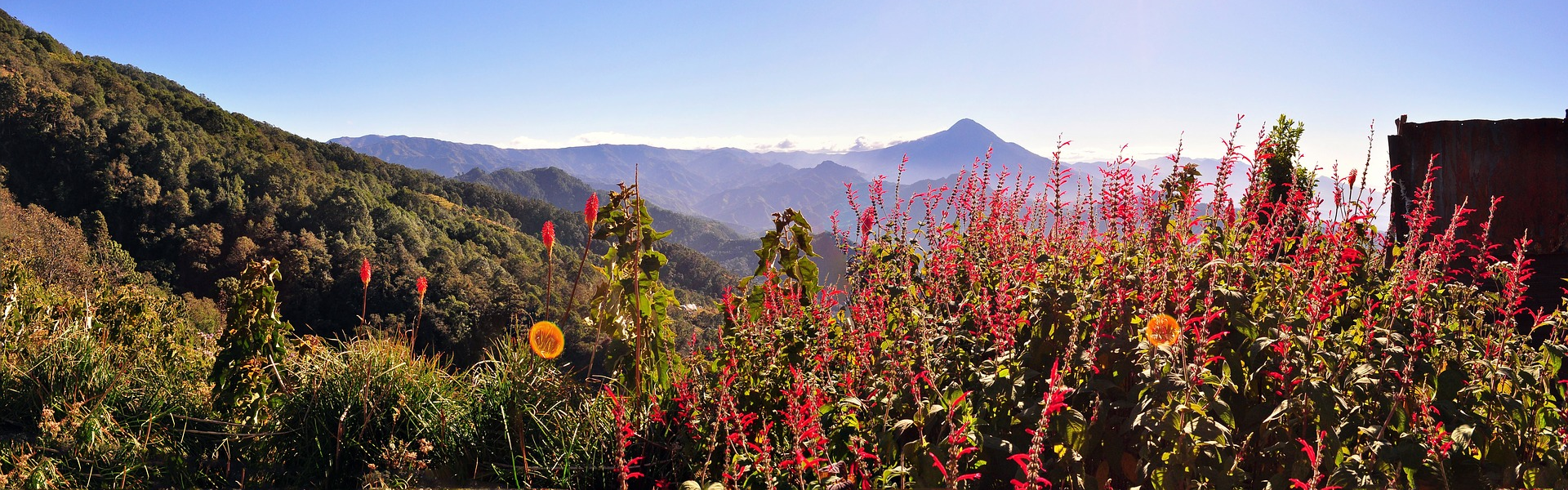
The Riviera Nayarit begins where Puerto Vallarta ends: you cross the Ameca river, change states, and the coast continues north for nearly three hundred kilometres. It is the same bay at first, but a different logic. Here large all-inclusive resorts sit beside surf villages, fishing harbours and beaches where you meet no one on a weekday.
The essentials in four lines
- You arrive through Puerto Vallarta airport (PVR): ten minutes to Nuevo Vallarta, forty to forty-five to Sayulita or Punta de Mita.
- The municipality of Bahía de Banderas keeps Puerto Vallarta time; further north, the rest of the state runs an hour behind.
- No sargassum. The sand is golden and the surf moderate to strong depending on the sector.
- November to May is the dry season. Rain and cyclones from June to October.
Choosing your village
Nuevo Vallarta
A planned development around canals, with the densest concentration of large all-inclusive resorts in the region and a beach several kilometres long. Ten minutes from the airport, twenty-five from downtown Puerto Vallarta. The practical choice, without village character.
Bucerías
A genuine fishing village turned artists’ town, with a very long golden beach, restaurants on the sand and a craft market. Prices are markedly lower than in Puerto Vallarta and the atmosphere far quieter.
La Cruz de Huanacaxtle
A modern marina grafted onto a village that has not changed. The Sunday morning market on the docks gathers growers, fishermen and cooks from around the bay: one of the best food gatherings in the region.
Punta de Mita
At the northern tip of the bay, an upper-tier sector with two large luxury hotels, golf courses and the shortest access to the Marietas Islands. The surf points here are consistent and used by schools and regulars alike.
Sayulita and San Pancho
Forty minutes north, Sayulita is a surf village of cobbled lanes and colourful facades, with a well-known learners’ wave, taco stands and a young international crowd. San Pancho, five minutes away, offers the same coast without the crowd: quieter, more residential, with a cultural centre and a turtle conservation camp.
What people come to do
Surfing is the first answer. Sayulita suits beginners with a long, soft wave; La Lancha and the Punta de Mita points are for experienced surfers. Schools rent boards and wetsuits by the hour, and the most consistent season runs December to April.
The Marietas Islands, forty minutes by boat from Punta de Mita, hold a hidden beach at the bottom of a crater open to the sea. Access is capped and restricted to licensed operators: book well ahead.
From December to March, humpback whales calve in Banderas Bay. From August to December, the turtle camps of Sayulita and San Pancho run hatchling releases at sunset, supervised by volunteers.
Wixárika art
Nayarit is the territory of the Wixárika people, often called Huichol. Their art, yarn pressed into wax and objects covered in tiny beads, is sold throughout the region. The motifs are not decorative: they record visions and creation stories. Buy from the artisans rather than in hotel shops; the difference in price and authenticity is considerable.
All-inclusive in the Riviera Nayarit
The format concentrates at Nuevo Vallarta and Flamingos, with a few properties at Punta de Mita and Rincón de Guayabitos. Sayulita, San Pancho and Bucerías work instead with small hotels and rentals sold without meals.
So the choice is simple: all-inclusive for a comfortable beach stay with a short transfer, or a village hotel for a more mobile, more local trip. Many of our clients combine both in a single week. Our criteria for choosing an all-inclusive hotel help with that calculation.
When to go
From November to May the sky stays clear, the air holds around 28 °C and the water 24 to 26 degrees. This is high season, the time of the whales and the most consistent surf.
From June to October, heat and humidity climb, late-day storms become daily and prices fall. One practical warning for the mangrove sectors, especially north toward San Blas: biting midges are active at dawn and dusk, and effective repellent is not optional.
Our guide on when to travel south from Montreal places those periods in the Quebec departure calendar.
To plan this trip, see also our Mexique page, Los Cabos, Manzanillo and the sargassum picture.


