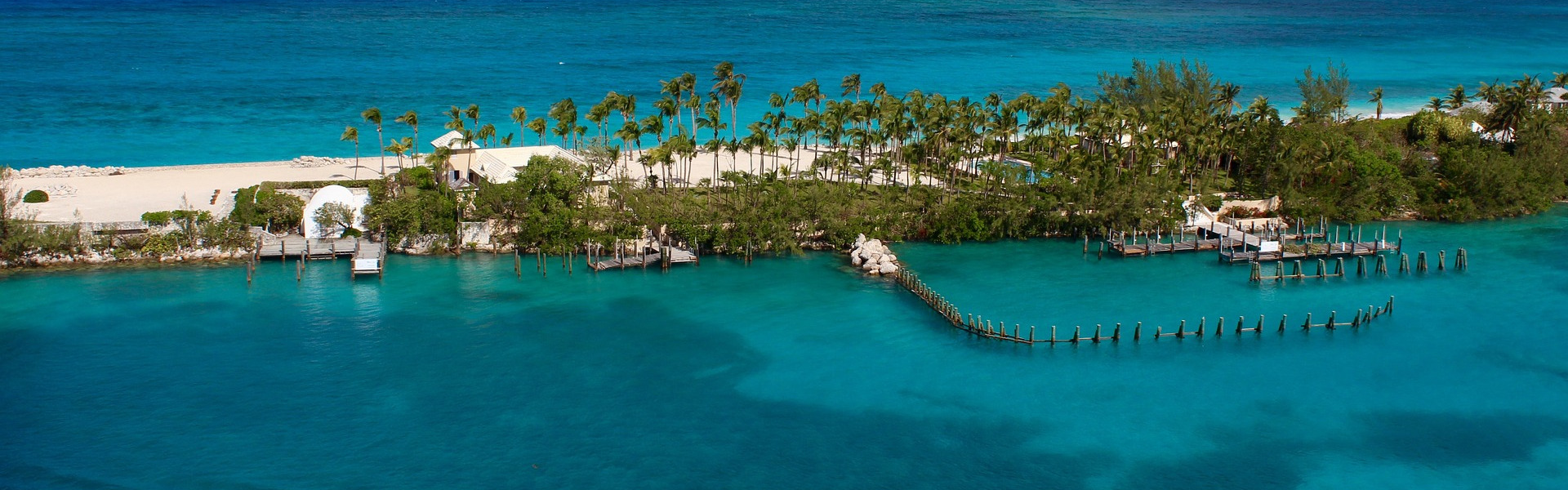
Nassau sits on New Providence, an island twenty-one kilometres long. Three areas share the visitors: the historic centre with its cruise port, the Cable Beach hotel strip to the west, and Paradise Island, linked by two bridges, home to the largest resort in the Caribbean. The whole thing crosses in thirty minutes, and the airport is twenty minutes away.
The essentials in four lines
- About three and a half hours on a seasonal non-stop from Montreal to Nassau (NAS), the shortest run to the Caribbean from Quebec.
- The Bahamas keep Eastern time, like Montreal, all year.
- The Bahamian dollar equals one US dollar, and both circulate interchangeably. English is spoken.
- December to April is the dry season. Hurricane season runs June to November.
The three areas
Cable Beach
West of the centre, six kilometres of pale sand with the island’s densest hotel concentration, including a large complex opened in 2017 that groups several hotels, a casino and a golf course. The sea is calm, the beach wide, and downtown is ten minutes by taxi.
Paradise Island
Across the harbour, linked by two bridges, the island holds a resort of several thousand rooms built around a water park, a marine habitat and a casino, along with a few smaller hotels. Cabbage Beach, on the north side, is one of the finest beaches on the island.
The historic centre
Bay Street, the straw market, the pink Parliament buildings of the 1810s, and the Queen’s Staircase: sixty-six steps cut into the limestone by enslaved people between 1793 and 1794, climbing to Fort Fincastle. Fort Charlotte, further west, keeps its dry moat and its cells.
What to know about the cruise ships
Nassau is one of the busiest cruise ports in the world: up to six or seven ships alongside on the same day, meaning tens of thousands of visitors in the centre between nine and four.
That is not a problem if you know it: see the historic centre early or late in the day, and keep the middle for the beach or a boat trip. Tuesdays and Thursdays are generally the busiest.
The water
Bahamian waters are among the clearest in the Caribbean, with visibility regularly beyond thirty metres. Several trips leave the harbour daily: private islands for the day, reef or wreck diving, catamaran runs out to the sandbars.
Love Beach, on the west of the island, gives access to a reef you can swim to from shore. Swimming-pig excursions take place at Exuma, an hour by air or several hours by boat: it is not a half-day outing from Nassau, whatever some offers suggest.
Junkanoo
Twice a year, on the night of 26 December and again on 1 January, Bay Street fills with troupes in crepe-paper costumes, goatskin drums heated over fires, cowbells and brass. The parade starts around two in the morning and runs until daybreak.
It is the country’s most important cultural event, born in the enslaved communities who were given a few days off around Christmas. An interpretation centre lets you see the costumes out of season.
All-inclusive in Nassau
The format is less widespread here than in the Dominican Republic or Mexico: a significant share of the hotel stock sells by the room, with restaurants billed separately. A few large properties on Cable Beach and Paradise Island offer all-inclusive packages.
The point to weigh is budget: the Bahamas rank among the most expensive Caribbean destinations, with value-added tax and resort fees often added to the posted rate. Check what is genuinely included before comparing. Our criteria for choosing an all-inclusive hotel set out what to verify.
When to go
From December to April the air holds around 26 °C and rain is rare. It is also the coolest period: the water drops to 23 or 24 degrees in February, cooler than the southern Caribbean.
May, June and the first half of December offer the best balance of weather and price. From August to October, heat climbs and the cyclone season peaks. Our guide on when to travel south from Montreal sets out those cycles.
To plan this trip, see also our Bahamas page, Harbour Island, Marsh Harbour and judging value for money.


