Departure

Return


Loading

Alaska Travel from Canada: The Complete Guide

Alaska is a one-stop trip from Central Canada: Air Canada connects through Vancouver, where a flight of about 3.5 hours continues to Anchorage in the summer season, for total journeys of roughly 9.5 to 12 hours from Toronto and 10 to 13 hours from Montréal. Canadian citizens do not need a visa for stays of six months or less in the United States. The travel season runs from mid-May to mid-September, when Anchorage enjoys more than 18 hours of daylight around the solstice. America's largest state holds 17 of the country's 20 highest peaks, including Denali (20,310 feet), and an estimated 100,000 glaciers. As a guideline, plan on 3,000 to 5,500 Canadian dollars per person for a week, flights included. Many Canadians first see Alaska by cruise ship from Vancouver, then come back to drive the interior.

The essentials at a glance

QuestionAnswer
Flight from CanadaNo nonstop; one stop from Montréal or Toronto (Vancouver, Seattle or a U.S. hub), 9.5 to 13 h total
Visa for CanadiansNone for stays of six months or less; registration required beyond 30 days
Time difference4 hours behind Montréal and Toronto, year-round
CurrencyUS dollar; 1 USD is worth about 1.40 CAD
LanguageEnglish
Best time to goMid-May to mid-September; February-March for auroras and winter activities
DrivingCanadian licence accepted; paved main highways, some gravel roads
Electricity120 V, same outlets as the rest of Canada; no adapter needed

Why Alaska

The numbers set the scene: a territory twice the size of Texas, about 740,000 residents, some 100,000 glaciers and more coastline than all other U.S. states combined. What strikes you on the ground is how reachable that scale is. Forty-five minutes from downtown Anchorage, the Seward Highway hugs Turnagain Arm, where beluga whales and Dall sheep appear from roadside pullouts. Two hours farther, you can strap on crampons and walk the Matanuska Glacier.

The wildlife delivers without staging. Kenai Fjords cruises pass humpbacks, orcas and puffin colonies from May to September; the green buses in Denali National Park stop whenever a grizzly, caribou or band of Dall sheep comes into view; the rivers of Katmai draw brown bears in July. All of it happens within an organized framework of marked trails, park rangers and experienced captains, so the adventure feels real while the logistics stay simple.

Alaska also suits two complementary travel styles. An Inside Passage cruise from Vancouver reveals the fjords, Juneau and Glacier Bay without repacking every night. A land itinerary, by rental car or aboard the Alaska Railroad, opens the interior: Denali, Talkeetna, Fairbanks. Entry rules are the same as for the rest of the country, detailed in our United States guide, and cruisetour packages combine ship and land in one trip.

When to go

PeriodClimate and atmosphereVerdict
Mid-May to early JuneLate spring, 10 to 15 °C, attractions reopening, fewer visitorsGreat value
June to mid-AugustHigh season, 15 to 22 °C, up to 19 hours of daylight, everything openThe best period
Late August to mid-SeptemberFall colours across the tundra, first auroras, prices easingExcellent compromise
October-NovemberShoulder season, short days, many closuresSkip it for a first trip
December to MarchCold, dry winter, northern lights, dog sledding, the Iditarod in MarchFor winter lovers
AprilThaw, quiet season between ski and summerLimited appeal

How to get there from Canada

There are no nonstop flights from Montréal or Toronto to Anchorage. The smoothest routing runs through Vancouver, where Air Canada operates the connection to Anchorage in about 3.5 hours of flying, a service focused on the summer season; from Toronto, the Vancouver connection keeps total travel time to roughly 9.5 to 11 hours. U.S. carriers offer year-round alternatives through their hubs: United via Chicago or Newark, Delta via Minneapolis or Seattle, American via Chicago, often with Alaska Airlines operating the final leg. From Montréal, plan on 10 to 13 hours door to door depending on the connection.

The other gateway is the sea. Seven-night Inside Passage cruises sail from Vancouver, an easy nonstop flight of about 5.5 hours from Montréal or 5 hours from Toronto, which keeps the whole trip logical. Once in Alaska, the Alaska Railroad links Anchorage with Seward, Talkeetna, Denali and Fairbanks from May to September, with dome cars built for the scenery. By road, distances stay manageable: 205 km from Anchorage to Seward, about 380 km to the Denali park entrance and 580 km to Fairbanks, all on paved, spectacular highways.

The must-see regions of Alaska

Anchorage and around

The state's largest city works as base camp: you land here, pick up the rental car and stock up. The Tony Knowles Coastal Trail runs 17 km along the shoreline, with Denali visible on clear days, and the downtown market livens up summer weekends. The Anchorage Museum and the Alaska Native Heritage Center provide real context on the state's Indigenous cultures. Save half a day for the Alaska Wildlife Conservation Center at Portage, on the way to the Kenai Peninsula.

The Kenai Peninsula: Seward and Homer

A 2.5-hour drive south of Anchorage, Seward is the launch point for Kenai Fjords National Park cruises: calving glaciers, whales, orcas and puffins from May to September. Exit Glacier, 15 minutes from town, is reached on foot by a well-maintained trail. Farther south, Homer stretches into Kachemak Bay along a 7-km sand spit; the town bills itself as the halibut fishing capital of the world and is packed with artist studios and galleries.

Denali National Park

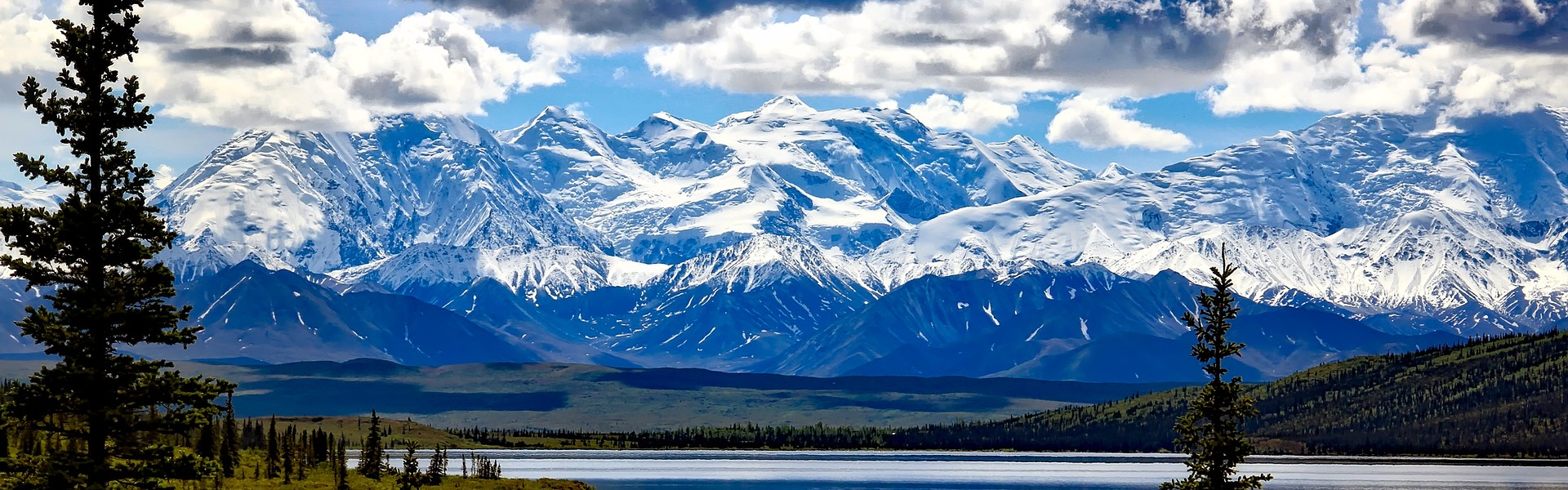
The park protects six million acres around North America's highest peak, Denali (20,310 feet). Private vehicles stop at mile 15 of the single park road; beyond that, the green shuttle buses take over, stopping whenever a grizzly, caribou or band of sheep appears. Part of the road has been under major repair since a landslide; check the current road status before booking. Plan two nights nearby to improve your odds of seeing the mountain clear of clouds, which happens roughly one day in three.

Fairbanks and the interior

Alaska's second city sits under the auroral oval: from late August through April, the northern lights appear on clear nights, and local operators run heated viewing lodges with wake-up calls. Chena Hot Springs, an hour away, lets you soak outdoors at -20 °C. In summer the city leans into the midnight sun, including a baseball game played without artificial lights around the solstice, and the Museum of the North at the university is worth the stop.

The Inside Passage: Juneau, Skagway and Ketchikan

Southeast Alaska is best seen from the water, by cruise ship or aboard the Alaska Marine Highway ferries. Juneau, a capital reachable only by air or sea, puts the Mendenhall Glacier 20 minutes from downtown. Skagway preserves its Klondike gold rush streetscape, with the White Pass and Yukon Route railway climbing to the pass in vintage cars. Ketchikan displays the world's largest collection of totem poles and the stilt houses of Creek Street.

Talkeetna and the Matanuska-Susitna Valley

Halfway between Anchorage and Denali, the village of Talkeetna serves climbers heading for the summit and travellers booking glacier flightseeing, with or without a snow landing: one of the defining experiences of an Alaska trip. The neighbouring Matanuska Valley grows giant vegetables under the summer sun and leads to the glacier of the same name, one of the few large glaciers accessible by road, with guided crampon walks available year-round.

The budget, in Canadian dollars

ItemBudgetComfortHigh end
Round-trip flight from Montréal or Toronto$700 to $1,000$1,000 to $1,400$1,600 and up
Accommodation (per night, 2 people)$160 to $250$260 to $420$450 to $900
Meals (per day, per person)$50 to $75$80 to $120$150 and up
Local transportation (per day)$60 to $90$90 to $140$160 and up
Activities and tours (per day)$40 to $100$120 to $250$300 and up

These ranges are provided as a guideline, based on rates and prices observed in 2025-2026. Alaska runs above the U.S. average, especially from June to August: wildlife cruises, glacier flightseeing and lodging near Denali explain the spread between columns. Booking accommodation and excursions several months ahead brings real savings.

Entry requirements and health for Canadian citizens

  • Visa: none required for stays of six months or less; state your intended length of stay to the border officer.
  • Passport: must be valid for the full length of your stay; no six-month validity rule applies to Canadians.
  • Registration beyond 30 days: any stay in the United States longer than 30 days must be registered with the U.S. government; arriving by air, the I-94 form created at entry covers this, and you can verify it on the CBP website.
  • Official advisory: the Government of Canada advises taking normal security precautions in the United States; check travel.gc.ca before departure, as guidance can change.
  • Health: no vaccines are required; keep routine immunizations up to date and carry enough of your medications, since pharmacies are scarce outside the cities.
  • Travel insurance: essential, as U.S. medical care is among the most expensive in the world and an evacuation from a remote part of Alaska costs a fortune without coverage.
  • Wildlife: keep your distance from bears and moose, carry bear spray on hikes and follow posted park guidelines.

One last tip: allow at least 10 days to combine the Kenai Peninsula, Denali and Fairbanks, or 14 days if you add an Inside Passage cruise. With 7 days, the Anchorage, Seward and Denali triangle makes a proven itinerary without long driving days.

Inside Passage cruise or road trip to Denali? The advisors at Voyages AquaTerra build your custom itinerary. 450-628-6241 | 1-866-628-6241 | info@voyagesaquaterra.com

Voyages AquaTerra is a licensed Quebec travel agency.

Explore Alaska: The last frontier

Alaska, known as "The Last Frontier," is a breathtaking travel destination offering pristine wilderness, stunning landscapes, abundant wildlife, and unique experiences. Discover the raw beauty of Alaska, where glaciers, majestic mountains, and the Northern Lights await.

Alaska Cruise Adventure : Alaskan Cruises

An Alaska cruise is one of the best ways to explore the wild coastline of the state. This unforgettable journey allows you to discover the breathtaking beauty of the region, where majestic fjords meet pristine glaciers and abundant marine life. Choose from a variety of cruise itineraries designed to suit all tastes, and experience stunning landscapes while enjoying comfort and top-notch services aboard.

Alaska cruises offer exceptional experiences, taking you deep into the wilderness, far from the beaten path. You'll have the opportunity to sail through awe-inspiring fjords, such as Tracy Arm and Endicott Arm, where you can get up close to constantly changing glaciers. These cruises also allow you to explore remote places that are difficult to access by land, including small, picturesque fishing towns, secluded villages, and protected areas, perfect for whale watching, seals, and sea lions.

Cruise itineraries in Alaska vary, but they typically include stops at iconic destinations like Ketchikan, Juneau, and Skagway. These stops offer you the chance to immerse yourself in local culture, explore lush rainforests, visit national parks like Glacier Bay National Park, and engage in outdoor activities like hiking, kayaking, or taking a helicopter tour over the glaciers. Every stop on your Alaska cruise is a unique opportunity to experience the raw, preserved beauty of one of the world's most awe-inspiring regions.

Cruise to Alaska from Vancouver

A cruise to Alaska from Vancouver offers the perfect blend of natural beauty, adventure, and relaxation. Departing from the vibrant city of Vancouver, this scenic journey takes you along the stunning coastline of British Columbia before reaching the majestic landscapes of Alaska. As you sail through the Inside Passage, you'll be treated to breathtaking views of towering glaciers, lush forests, and picturesque fjords. Along the way, you'll have the chance to visit charming Alaskan towns like Ketchikan, Juneau, and Skagway, where you can explore rich history, local culture, and wildlife. With luxurious onboard amenities, captivating excursions, and the serene beauty of both Canada and Alaska, this cruise is an unforgettable way to experience two of the most incredible regions in North America.

Alaska: A natural jewel

Alaska is a natural jewel with a variety of awe-inspiring landscapes and exciting activities. Explore its unique natural and cultural wonders.

Must-visit destinations

Alaska is brimming with must-visit destinations that will leave you with unforgettable memories:

Denali national park: North america's tallest peak

Denali National Park is home to Mount Denali, North America's highest peak. Hike, observe wildlife, and enjoy breathtaking panoramic views.

Glacier Bay national Park: A sea of ice

Explore Glacier Bay National Park, where massive glaciers flow into azure waters. Witness glaciers calving and spot humpback whales.

Juneau: The unique capital

Juneau, Alaska's capital, is the only U.S. capital accessible by boat or plane. Explore the picturesque downtown, embark on whale-watching excursions, and visit the Mendenhall Glacier.

Anchorage: Alaska's largest city

Anchorage, Alaska's largest city, serves as the ideal starting point for adventures in the state. Explore the Anchorage Museum, bike along the Tony Knowles Coastal Trail, and savor fresh salmon.

Outdoor Experiences

Alaska offers a range of outdoor experiences, from fishing to hiking and kayaking:

Fishing in Alaska: The salmon kingdom

Alaska is renowned for exceptional fishing. Join guided trips to catch king salmon, coho salmon, and pink salmon in picturesque rivers and fjords.

Backcountry hiking: wild adventures

Explore Alaska's backcountry through rugged trails. Traverse dense forests, alpine tundras, and glacier-carved valleys.

Wildlife viewing: Majestic encounters

Alaska is a wildlife haven, home to brown bears, moose, orcas, bald eagles, and humpback whales. Join excursions to observe them in their natural habitats.

Native Culture

Discover the richness of Alaska's Native culture by visiting traditional villages, attending tribal dances, and exploring Native art:

Native art: Authentic creativity

Admire Native art, including mammoth ivory carvings, tribal masks, and paintings depicting ancestral legends.

Alaska villages: Meeting the locals

Visit Native villages like Barrow, Sitka, and Nome to learn about customs, traditions, and the way of life of Native communities.

Northern lights

Alaska is one of the world's best places to witness the Northern Lights. Plan a visit during the winter months to have a chance to see this enchanting celestial display.

Alaskan cuisine

Savor Alaska's cuisine by enjoying dishes featuring fresh salmon, king crab, sea urchin, and game meat. Don't miss out on salmon fritters and the famous caribou stew.

Best time to visit

The best time to visit Alaska depends on your interests. Summer is ideal for outdoor activities, while winter offers the chance to witness the Northern Lights.

Alaska is a land of contrasts and awe-inspiring natural beauty. Whether you're an outdoor enthusiast, a wildlife lover, a fan of Native culture, or a traveler seeking grand landscapes, Alaska has something to offer everyone. Explore this captivating region, be awed by its natural wonders, and create unforgettable memories.

Frequently Asked Questions

Canadian citizens enter the United States, including Alaska, without a visa or ESTA, using a passport valid for the length of stay or a valid NEXUS card. The maximum visa-free stay is 6 months. For stays of 30 days or more, a registration rule applies in 2026; the I-94 record issued on entry can serve as proof. Check travel.gc.ca before departure.
From Montreal, count on 9 h 45 to 13 h 30 total to Anchorage, always with at least one stop; the fastest routing found runs through Minneapolis at about 9 h 43. From Toronto, connections run through the same hubs, often with more frequencies. Air Canada, United, Delta, American and Alaska Airlines serve these routes.
High season runs from mid-May to mid-September, when cruises, parks and trains all operate. July is the warmest month, often 15 to 20 °C in Anchorage. Late August adds the first northern lights to the summer activities.
Alaska is a US state where standard urban precautions are enough. The real considerations are natural: long distances, changeable weather and wildlife. Follow park guidelines, plan your driving days and check the official advice on travel.gc.ca before you go.
As a guideline, a one-week land tour runs about $3,500 to $5,500 CAD per person including flights. A 7-night cruise package with flights to Vancouver runs roughly $2,500 to $5,000 CAD per person depending on the cabin. Prices on the ground are above the US average.
Alaska is 4 hours behind Montreal and Toronto in summer (UTC−8 versus UTC−4). When it is noon in Montreal, it is 8 a.m. in Anchorage. Most travellers adjust within a day or two.
Partially. In 2026 the park road remains closed at Mile 43 (East Fork) because of the Pretty Rocks landslide; the new bridge should open by mid-summer 2026, but buses will not reach Eielson or Wonder Lake before 2027. Private vehicles can drive to Mile 15 (Savage River) and shuttles run to Mile 43. Confirm road status before booking.
Yes, and it is the simplest option for many Canadians. A direct flight to Vancouver (about 5 h 30 from Montreal) connects to the Canada Place terminal, where 7-night Inside Passage cruises depart for Ketchikan, Juneau, Skagway and Glacier Bay. One-way itineraries to Seward or Whittier let you add a land tour.
From late August through fall and winter, once nights turn dark again. Fairbanks is the best-known viewing base. In June and July the sky stays too bright to see them.
Outside a cruise, a rental car is close to essential: distances are long and public transport is limited. Expect fuel to cost more than in the southern United States. The Alaska Railroad (Denali Star and Coastal Classic) is a scenic alternative on the Anchorage–Denali–Fairbanks and Anchorage–Seward corridors.
  • #Travel
  • #Destinations
  • #Tourism
  • #Weather
  • #Wildlife
  • #Adventure
  • #Hiking
  • #Cruises
  • #Itineraries
  • #Culture
  • #Food
  • #History
  • #National Parks
  • #Highlights
  • #Outdoor Activities
  • #Local Experiences
  • #Wildlife Viewing
  • #Northern Lights
  • #Fishing
  • #Accommodation
  • #Transportation
  • #Alaska Airlines
  • #Map
  • #Attractions
  • #Holidays
  • #Photography
  • #Indigenous Culture
  • #Information.