Departure

Return


Loading

Lisbon Travel from Canada: The Complete Guide

Lisbon is one of the easiest European capitals to reach from Canada: Air Canada, Air Transat and TAP Air Portugal fly nonstop from Montréal in about 6 hours 55 minutes and from Toronto in 7 to 7.5 hours, with up to five daily departures between the two cities in high season. Canadian citizens do not need a visa for stays of 90 days or less in the Schengen area. The Portuguese capital enjoys more than 2,800 hours of sunshine a year, with two prime windows: April to June and September to October. Built on seven hills above the Tagus, the city mixes century-old trams, azulejo tiles, hilltop viewpoints and a food scene that runs from family tascas to Michelin-starred rooms. Sintra, Cascais and the beaches of Costa da Caparica all sit under an hour away.

The essentials at a glance

QuestionAnswer
Flight from CanadaNonstop from Montréal (about 6 h 55) and Toronto (7 to 7.5 h) with Air Canada, Air Transat and TAP
Visa for CanadiansNone for stays of 90 days or less (Schengen area)
Time difference5 hours ahead of Montréal and Toronto (4 hours for short periods in March and late October)
CurrencyEuro; 1 € is worth about 1.60 $ CA
LanguagePortuguese; English widely spoken, French often understood
Best time to goApril to June and September-October
DrivingRight-hand side; no car needed in the city, metro and trams cover it
Electricity230 V, European type F plugs; adapter required

Why Lisbon

Lisbon is the closest European capital to Montréal by nonstop flight, and one of the sunniest on the continent. Life happens outdoors: breakfast at a pastelaria counter, a funicular ride up to a viewpoint, a sunset drink facing the Tagus. Distances stay human, a metro ride costs under 2 euros and most major sights, from São Jorge Castle to the Jerónimos Monastery, are reachable by public transit.

The food alone justifies the trip. The Time Out Market gathers some forty chef-run counters under one roof, cervejarias serve seafood and draft beer late into the night, and the tascas of Graça and Alfama still post daily menus under 15 euros. Add warm pastéis de nata in Belém and chilled vinho verde, and your meal budget feels like a bargain next to other Western European capitals.

Lisbon also makes a perfect base for exploring Portugal: Sintra and its palaces are 40 minutes away by train, Cascais and the ocean sit at the end of a scenic coastal line, Évora and the Alentejo work as day trips, and Porto is about 3 hours away on the Alfa Pendular. You can fill a whole week without boarding another plane or renting a car.

When to go

PeriodClimate and atmosphereVerdict
December to FebruaryMild (10 to 16 °C), passing showers; quiet city, lowest hotel ratesGreat-value city break
March-AprilPleasant spring (15 to 20 °C), jacarandas budding late in the season; lively EasterVery good choice
May-June22 to 28 °C, long evenings; saints' festivals and grilled sardines in JunePrime time
July-AugustHot (28 to 33 °C), dense crowds, lines at the sights; beaches a train ride awayDecent, book early
September-OctoberWarmest sea of the year, 24 to 28 °C, golden light; city still livelyPrime time, our favourite
NovemberMore frequent rain (14 to 18 °C); chestnut and museum seasonFine for a cultural trip

How to get there from Canada

From Montréal-Trudeau, Air Canada, Air Transat and TAP Air Portugal each fly nonstop to Lisbon, up to daily in high season, in about 6 hours 55 minutes. From Toronto Pearson, the same three carriers cover the route in 7 to 7.5 hours, with Air Canada deploying a Boeing 777 and TAP running up to two departures a day. Nearly all flights leave in the evening and land the following morning, local time, so you start day one after a night in the air.

Humberto Delgado Airport lies only 7 km from downtown: the metro's red line connects to the network in about twenty minutes for around 2 euros, and a taxi to the Baixa generally costs 15 to 25 euros. For a full country circuit, an open-jaw ticket landing in Lisbon and returning from Porto, or the reverse, remains the most efficient formula; the Alfa Pendular train links the two cities in about 3 hours.

Lisbon's neighbourhoods and must-sees

Alfama and São Jorge Castle

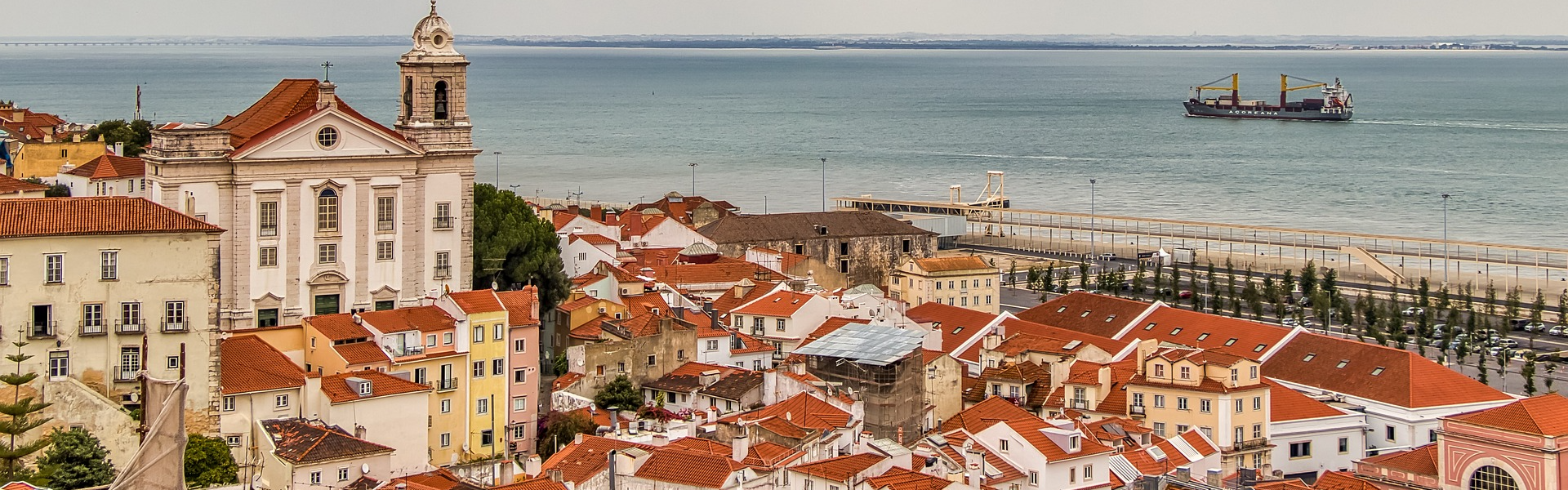
The city's oldest quarter, spared by the 1755 earthquake, tumbles downhill below São Jorge Castle. Wander between the Santa Luzia and Graça viewpoints, catch live fado in a traditional house after dark and step into the Sé cathedral along the way. Explore on foot, ideally in the morning before the tour groups arrive.

Baixa and Chiado

Rebuilt on a grid after 1755, the Baixa runs from Rossio square to the vast riverfront Praça do Comércio. The Santa Justa lift, the Rua Augusta arch and Chiado's historic cafés, including A Brasileira, punctuate the walk. This is the most practical area for a first stay: flat, central and served by every metro line.

Bairro Alto and Príncipe Real

Sleepy by day, the Bairro Alto wakes up around 10 p.m. when its bars spill onto the streets. Ride the Glória funicular up and pair it with the São Pedro de Alcântara viewpoint. Just north, Príncipe Real lines up designer boutiques, gardens and sought-after restaurants in former palaces; it is the neighbourhood of choice for Lisbon's thirty-somethings.

Belém and its monuments

Six kilometres west, Belém concentrates the Age of Discoveries: the UNESCO-listed Jerónimos Monastery and Belém Tower, the Monument to the Discoveries and the MAC/CCB modern art museum. Book tickets online to skip the lines and save room for the pastéis de Belém, served warm since 1837. Tram 15 or the Cascais train gets you there.

Parque das Nações

A legacy of Expo 98, this modern riverside district holds the Oceanário, one of Europe's largest aquariums and a sure bet with kids, plus a cable car gliding along the Tagus. The contemporary architecture, Calatrava's Oriente station and the flat promenades make a welcome change from the hills downtown.

Sintra, Cascais and the beaches

Give Sintra a full day: the brightly painted Pena Palace, Quinta da Regaleira with its initiation well, and the Moorish Castle on the ridge. Trains leave Rossio every 20 to 30 minutes. Another day can go to the coastal line out to Cascais, with a swim stop en route, or to the long sands of Costa da Caparica across the bridge. Our Portugal guide helps you plan the rest of the circuit.

The budget, in Canadian dollars

ItemBudgetComfortHigh end
Round-trip flight from Montréal$700 to $900$900 to $1,300$2,800 and up (business class)
Accommodation (per night, 2 people)$100 to $160$170 to $320$380 to $750
Meals (per day, per person)$35 to $55$65 to $110$130 and up
Local transport (per day)$5 to $12$12 to $30$40 to $90 (taxis, transfers)
Activities and sightseeing (per day)$10 to $25$30 to $60$80 to $160 (private guides)

These ranges are provided as a guideline, based on exchange rates and prices observed in 2025-2026. Lisbon hotels charge their highest rates from May to October; booking three to six months ahead makes a real difference.

Entry requirements and health for Canadian citizens

  • Visa: none required for tourist stays of 90 days or less in the Schengen area within any 180-day period.
  • Passport: must be valid for at least 3 months beyond your planned departure from the Schengen area.
  • EES: since October 2025, the European Entry/Exit System records your photo and fingerprints on first entry; allow a few extra minutes at border control.
  • ETIAS: this travel authorization is not yet in force; launch is expected in late 2026. Check travel.gc.ca before departure and avoid unofficial websites.
  • Official advisory: the Government of Canada recommends taking normal security precautions in Portugal; it flags pickpocketing on Lisbon's trams 15, 25 and 28.
  • Health: keep routine vaccinations up to date; hepatitis B is suggested for most travellers. Lisbon's hospitals provide good care.
  • Travel insurance: essential, since provincial health plans cover only a fraction of medical costs abroad; choose coverage that includes medical evacuation.
  • Summer heat: in July and August, plan visits for the morning, drink plenty of water and watch for sunburn amplified by the glare off the pale cobblestones.

One last tip: four to five nights cover Lisbon, Belém and a Sintra day trip without rushing. Pairing the capital with Porto, about 3 hours away by train, turns the stay into a complete ten-day circuit.

A hilltop viewpoint at sunset with a glass of vinho verde in hand sound like your kind of trip? The advisors at Voyages AquaTerra build your custom itinerary. 450-628-6241 | 1-866-628-6241 | info@voyagesaquaterra.com

Voyages AquaTerra est titulaire d'un permis du Québec.

Frequently Asked Questions

No visa is required for stays of 90 days or less in the Schengen area within any 180-day period. Your passport must remain valid for at least 3 months beyond your planned departure from the Schengen area. Since October 2025, the EES system records your photo and fingerprints on first entry, and ETIAS is expected to launch in late 2026. Check travel.gc.ca before you go.
About 6 hours 55 minutes nonstop from Montréal and 7 to 7.5 hours from Toronto. Air Canada, Air Transat and TAP Air Portugal all fly direct from both cities, with TAP offering up to two daily Toronto departures. Most flights leave in the evening and land the next morning, local time.
April to June and September to October: 20 to 28 degrees, clear skies and manageable lines at the sights. June adds the popular saints' festivals, with grilled sardines and street parties around June 12-13 for Santo António. July and August run hot and crowded; winter stays mild at around 15 degrees.
Yes. The Government of Canada advises taking normal security precautions for Portugal, its lowest advisory level. It does flag pickpocketing in tourist areas, particularly aboard trams 15, 25 and 28. Wear your bag in front of you on crowded transit and you will be fine.
As a guideline, plan on 2,000 to 3,400 Canadian dollars per person for a comfortable week including flights. Budget travellers can manage around 1,700 dollars in hostels or simple hotels. Lisbon remains cheaper than Paris or London, even though hotel prices have climbed in recent years.
Lisbon runs 5 hours ahead of Montréal and Toronto for most of the year. The gap narrows to 4 hours for about two weeks in March and one week in late October, since Europe and North America change their clocks on different dates. Noon in Toronto is 5 p.m. in Lisbon.
The famous yellow tram crosses Alfama, Graça and Estrela, but it gets packed and draws pickpockets. Board early in the morning at the Martim Moniz terminus, or take tram 12, a shorter and quieter loop that also covers Alfama. A day transit pass makes the ride cheaper than paying on board.
Yes, it is the classic excursion: frequent trains from Rossio station take about 40 minutes. The Pena Palace, the Moorish Castle and Quinta da Regaleira all require timed tickets bought online, especially in summer. Start early and limit yourself to two major sites in one day to actually enjoy them.
The original 1837 recipe lives at Pastéis de Belém, next to the Jerónimos Monastery, where the tarts come out of the oven warm all day long. In town, Manteigaria, with counters in Chiado and at the Time Out Market, is a serious rival. Expect about 1.50 euros apiece, with cinnamon on top if you like.
The city climbs seven hills, and the cobblestones turn slippery when wet, so good shoes are your best investment. The Santa Justa lift, the Glória and Bica funiculars and the metro flatten the toughest climbs. Travellers with limited mobility should base themselves in the flat Baixa district or along the Tagus riverfront.
  • #Travel
  • #Tourism
  • #What to do
  • #History
  • #Gastronomy
  • #Neighborhoods
  • #Culture
  • #Museums
  • #Nightlife
  • #Shopping
  • #Parks
  • #Monuments
  • #Art
  • #Architecture
  • #Portuguese Cuisine
  • #Beaches
  • #Markets
  • #Budget
  • #Travel Tips
  • #Transportation
  • #Airport
  • #Tourist Guide
  • #Excursions
  • #Activities
  • #Attractions
  • #Itineraries
  • #Accommodation
  • #Weather
  • #Climate.