To plan this trip, see also Morocco and art and antique markets.
Departure
Return
Loading
Choose a country or city
Tunisia Destinations
Frequently Asked Questions
No. Canadian citizens do not need a visa for tourist stays of 90 days or less in Tunisia. Your passport must be valid for at least six months beyond your planned departure date from the country.
Tunisair's direct Montreal-Tunis flight takes about 8 hours 15 minutes and operates four times a week in 2026; it is the only direct route between Canada and Tunisia. From Toronto there are no direct flights: connect via Montreal or a European hub and plan on 11 to 16 hours of total travel time.
Spring (April to June) and fall (September to November) offer pleasant heat, with the sea still warm in the fall. July and August are very hot, often 35°C and above, but remain peak beach season. For the Sahara, the best window runs from November to March.
The Government of Canada advises a high degree of caution in Tunisia and advises against travel to certain areas: near the Algerian and Libyan borders, the Kasserine governorate and the military zone south of Remada. Tourist areas such as Tunis, Hammamet, Sousse, Djerba and Tozeur are not covered by these exclusions. Check travel.gc.ca before you go.
As a rough guide, budget $80 to $130 CAD per person per day excluding flights for budget travel, $130 to $200 CAD for mid-range and $200 to $300 CAD and up for comfort. Tunisia remains one of the most affordable destinations in the Mediterranean.
Tunisia is on UTC+1 and does not observe daylight saving time. It is therefore 5 hours ahead of Montreal and Toronto in summer and 6 hours ahead in winter. The overnight flight from Montreal lands in the morning, which makes the adjustment easy.
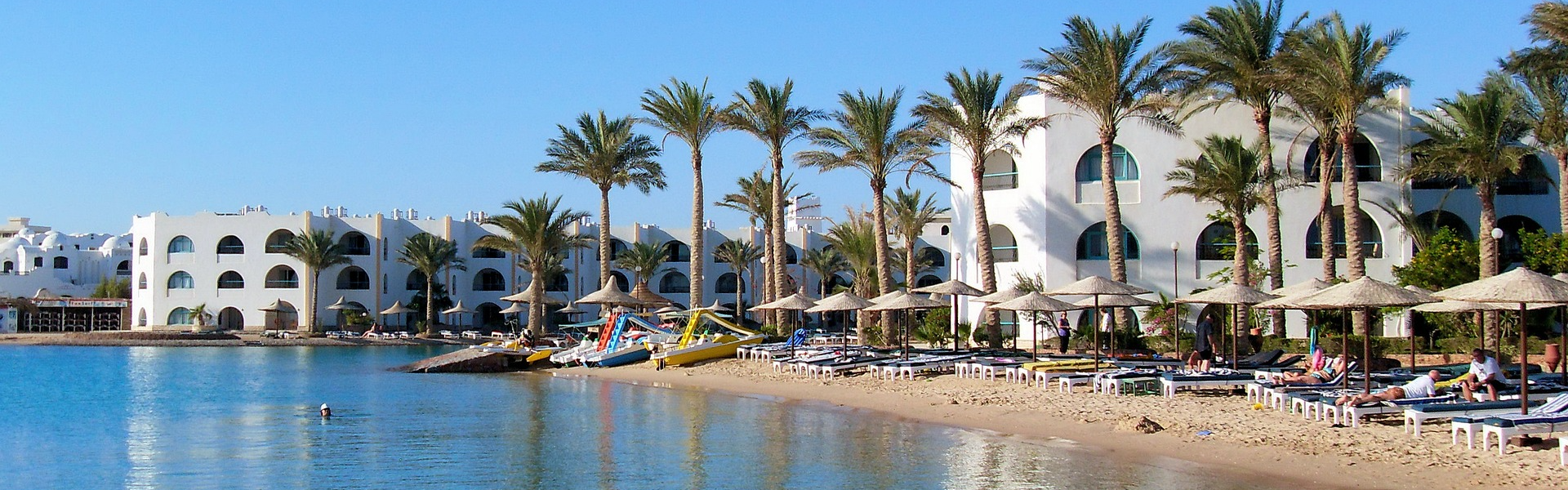
As a rough guide, beachfront all-inclusive packages run 70 to 140 euros per person per night depending on season and category, roughly $115 to $230 CAD. The main resort zones are Hammamet, Sousse, Monastir and Djerba.
The currency is the Tunisian dinar (TND), at about 2.10 TND per Canadian dollar in summer 2026. The dinar is a closed currency: it cannot be brought into or taken out of the country. Exchange money locally and keep your receipts so you can convert leftover dinars back before departure.
Arabic is the official language, but French is very widely spoken in hotels, shops and transport. English is increasingly common in resort areas, though French remains the most useful second language for travellers.
Shared taxis called louages link the cities at low cost and leave when full. Car rental runs about 25 to 45 euros a day (roughly $40 to $75 CAD, as a rough guide) and driving is on the right, as in Canada. Djerba also has its own airport, which avoids long road transfers.


