Departure

Return


Loading

Senegal Destinations

Senegal Travel from Canada: The Complete Guide

Canadian citizens do not need a visa for tourist stays of under 90 days in Senegal; a reciprocity e-visa has been announced but not confirmed, so verify the latest entry requirements before departure. From mid-June to late October 2026, Air Transat flies nonstop from Montreal to Dakar in about 8 hours, twice a week, the first direct link between the two cities; Toronto travellers connect through Casablanca or a European hub in roughly 14 to 18 hours. The best time to visit is the dry season, from November to May. As a guideline, budget $100 to $250 CAD per person per day excluding flights, depending on comfort level. French is the official language, and Dakar is only 4 hours ahead of Montreal and Toronto in summer, so jet lag is minimal.

The essentials at a glance

Key fact What to know
Flights from Montreal/Toronto Seasonal nonstop from Montreal with Air Transat, about 8 hours (June 17 to October 21, 2026); otherwise one stop, 12 to 17 hours. From Toronto: no nonstop, 14 to 18 hours via Casablanca or Europe
Visa and entry No visa for stays under 90 days; passport valid at least 6 months beyond your planned departure date; recheck requirements before travelling
Time difference 4 hours ahead of Montreal/Toronto in summer, 5 in winter (Senegal stays on UTC year-round)
Currency West African CFA franc (XOF); $1 CAD is about 405 XOF (July 2026, as a guideline)
Language French (official language)
Best time to go November to May (dry season)
Driving On the right, as in Canada
Electricity 230 V, European-style plugs; bring an adapter

Why Senegal

Senegal stacks up practical advantages for Canadian travellers. French is the official language, which makes menus, markets and conversations with guides straightforward, especially for francophones. The time difference is just 4 hours in summer, so you land ready to explore. And since 2026, Air Transat's seasonal nonstop puts Dakar about 8 flying hours from Montreal, closer in travel time than many connecting itineraries to Europe.

The country packs remarkable variety into a compact area. In a single week you can walk the lanes of Gorée Island, a UNESCO World Heritage site tied to the memory of the transatlantic slave trade, settle onto the beaches of Saly, watch birds at Djoudj park near Saint-Louis, and drift through the waterways of the Sine-Saloum delta. Distances stay manageable: Saly sits 80 km south of Dakar, and Lake Retba, the pink lake, is about an hour from the capital.

On the practical side, cash rules outside the larger hotels, and bargaining and tipping are part of everyday life. An advisor who knows the destination will build an itinerary that follows official Canadian travel advice, particularly for the south of the country.

When to go

Period Climate Note
November to May Dry season: dry heat, clear skies The ideal window for the whole country
December to April Peak of the dry season High season: prices roughly 30% higher
July to October Rainy season (hivernage) Rains can disrupt road travel

One calendar quirk worth knowing: the Air Transat nonstop operates June 17 to October 21, 2026, a window that largely overlaps the rainy season. If you are targeting the November-to-May dry season, you will fly with one stop, but you will get the best weather, plus the Djoudj bird park season, which runs November to April. Beach travellers can still do well at the start and end of the Transat season by watching the forecast.

Getting there from Canada

From June 17 to October 21, 2026, Air Transat operates two weekly nonstop flights between Montreal (YUL) and Dakar (DSS). Flight TS722 leaves Montreal at 7:15 p.m. and lands in Dakar at 7:25 a.m. the next day, after about 8 hours in the air; the return, TS723, departs at 8:55 a.m. and reaches Montreal at 1:40 p.m. the same day. Advertised fares start around $860 CAD round trip, as a guideline and depending on dates.

Outside that window, plan on one stop from Montreal: Air France via Paris or Royal Air Maroc via Casablanca, for a typical total of 12 to 17 hours. From Toronto (YYZ) there is no nonstop; typical routings connect through Casablanca with Royal Air Maroc or through a European hub such as Paris or Brussels, for about 14 to 18 hours in total. Note that Air Senegal no longer serves North America, having ended its U.S. flights in August 2024.

The regions to know

Dakar and Gorée Island

Senegal's capital and gateway, Dakar deserves more than a transit night, with lively markets, restaurants and a dense cultural scene. From the port, a ferry crosses to Gorée Island, a UNESCO World Heritage site preserving the memory of the transatlantic slave trade; a half day covers the old houses and memorial sites. About an hour from the capital, Lake Retba, the pink lake, rounds out a city stay.

The Petite-Côte and Saly

Eighty kilometres south of Dakar, Saly is the country's main seaside resort area and the simplest base for a beach stay. It also works well as an excursion hub: the Bandia reserve and the Sine-Saloum delta are both day-trip material. The beach-plus-discovery formula suits a first trip to Senegal, especially for families.

Saint-Louis

In the north, Saint-Louis was the colonial capital; its historic centre, a UNESCO World Heritage site, is lined with Creole architecture best explored on foot. The city is the base for the Djoudj ornithological park, one of the region's great birdwatching sites, open November to April. Allow at least two nights to soak up the old town's distinctive atmosphere.

The Sine-Saloum

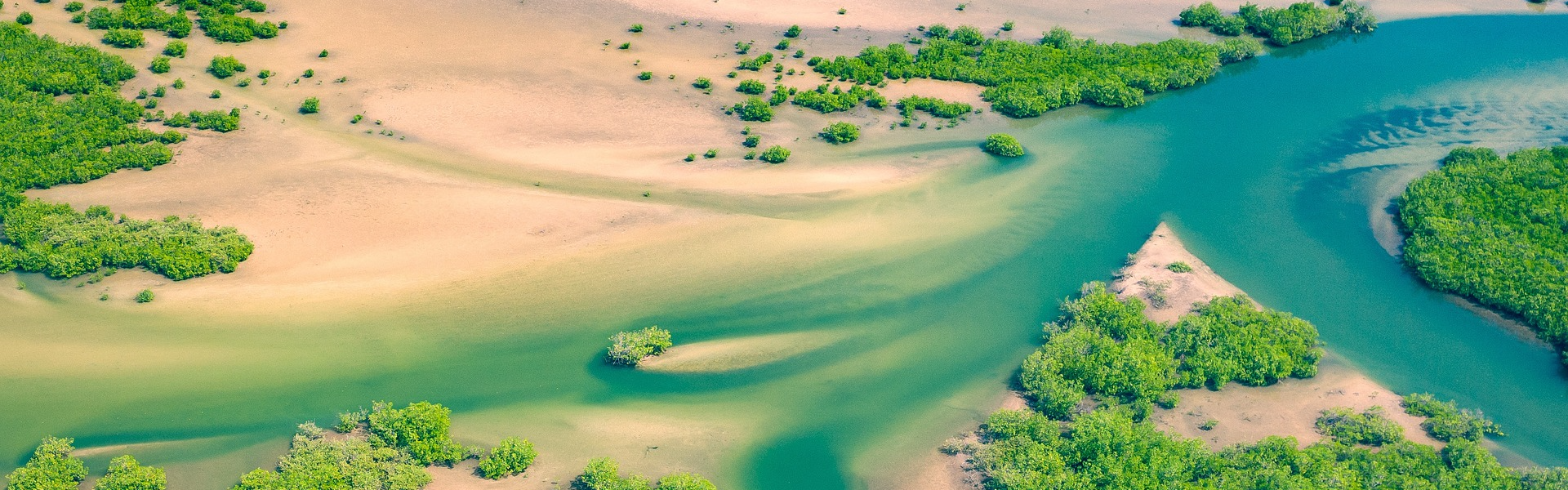
Between the Petite-Côte and The Gambia, the Sine-Saloum delta is best experienced from the water. You can settle in for a few quiet days or visit on a day trip from Saly. It is the natural counterpoint to the beach coast: a slower pace, villages, and landscapes where land and water blend.

Casamance

South of The Gambia, Casamance has a long-standing tourist reputation, but a safety note is essential: as of the latest travel.gc.ca update, the Government of Canada advises avoiding this region, along with the border areas near Mali and Mauritania, due to armed groups and landmines. Check the current official advisory on travel.gc.ca before considering the area, and talk to your advisor; most of the country's highlights lie in regions not covered by these warnings.

The budget, in Canadian dollars

Travel style Per person, per day (excluding flights)
Budget About $100 to $140 CAD
Mid-range (comfortable hotel, restaurants, excursions) About $150 to $250 CAD
Comfort and high-end $300 CAD and up

These ranges are guidelines only (July 2026). In high season, December to April, prices run about 30% higher. The local currency is the West African CFA franc, pegged to the euro at a fixed rate: $1 CAD is worth about 405 XOF, so 10,000 XOF is roughly $24.70 CAD. Carry cash for most spending outside the larger hotels, and remember that bargaining and tipping are part of local custom.

Entry requirements and health for Canadian citizens

  • Passport: valid at least 6 months beyond your planned departure date from Senegal.
  • Visa: no visa required for stays under 90 days. A reciprocity e-visa affecting Canadians was announced in 2025, but its start date, cost and process remain unconfirmed: verify the latest requirements on travel.gc.ca before departure.
  • Yellow fever: vaccination recommended; proof of vaccination is required only if you arrive from a country where yellow fever is endemic (not when arriving directly from Canada).
  • Malaria: present in Senegal; antimalarial prophylaxis is recommended for most travellers. Visit a travel health clinic 6 to 8 weeks before departure.
  • Other recommended vaccines: hepatitis A and B, typhoid depending on your itinerary, and routine vaccines up to date.
  • Travel insurance: comprehensive medical and cancellation coverage is strongly recommended.
  • Official advice: the Government of Canada advises exercising a high degree of caution in Senegal due to crime, and avoiding Casamance and the border areas near Mali and Mauritania. Note as well that a 2026 law imposes prison sentences for same-sex acts; 2SLGBTQI+ travellers should read the official advisory carefully. Consult travel.gc.ca before booking and before you go.

One last piece of advice: build your itinerary around the season, not the other way around. Dry season with a connection for a grand tour of the country, or the summer nonstop for a Dakar, Gorée and Petite-Côte combination: both plans work when they are prepared properly.

Ready to see Gorée, Saly or Saint-Louis for yourself? An AquaTerra advisor who knows Senegal can design your itinerary, book your flights and support you before and during your trip. 450-628-6241 | 1-866-628-6241 | info@voyagesaquaterra.com

Voyages AquaTerra holds a Québec travel agency permit.

Frequently Asked Questions

No. Canadian citizens do not need a visa for tourist stays of under 90 days, and your passport must be valid at least 6 months beyond your planned departure date. A reciprocity e-visa affecting Canadians has been announced but not confirmed, so verify the latest requirements on travel.gc.ca before departure.
Air Transat's seasonal nonstop from Montreal to Dakar (June 17 to October 21, 2026, twice weekly) takes about 8 hours. The rest of the year, Montreal itineraries connect through Paris or Casablanca in 12 to 17 hours total. From Toronto there is no nonstop; plan on 14 to 18 hours via Casablanca or a European hub.
The dry season, from November to May, offers the best conditions, with dry heat and clear skies. December to April is high season, with prices roughly 30% higher. From July to October, the rainy season can disrupt road travel.
The Government of Canada advises exercising a high degree of caution in Senegal, mainly due to crime. It also advises avoiding Casamance and the border areas near Mali and Mauritania; the usual tourist regions such as Dakar, the Petite-Côte and Saint-Louis are not among the zones to avoid. Check the current advisory on travel.gc.ca before you go.
As a guideline, excluding flights, budget travellers spend about $100 to $140 CAD per person per day, mid-range travellers $150 to $250 CAD with a comfortable hotel and excursions, and comfort-level travellers $300 CAD and up. In high season, December to April, prices run about 30% higher.
Senegal stays on UTC year-round, with no daylight saving time. Dakar is therefore 4 hours ahead of Montreal and Toronto in summer and 5 hours ahead in winter. The gap is small and jet lag is minimal.
The currency is the West African CFA franc (XOF), pegged to the euro at a fixed rate. In July 2026, $1 CAD is worth about 405 XOF, so 10,000 XOF is roughly $24.70 CAD. Outside the larger hotels, most payments are in cash, and bargaining and tipping are common practice.
Yes, French is Senegal's official language, which is a real asset for Canadian travellers, especially francophones. Menus, signs and conversations with guides and merchants happen in French.
A ferry links the port of Dakar to Gorée Island, a UNESCO World Heritage site tied to the memory of the transatlantic slave trade. Half a day is enough to visit, though many travellers choose to linger longer.
Yellow fever vaccination is recommended; proof is required only if you arrive from a country where the disease is endemic, not when flying directly from Canada. Malaria is present and prophylaxis is recommended for most travellers, along with hepatitis A and B vaccines and typhoid depending on your itinerary. See a travel health clinic before departure.
  • #Travel
  • #Tourism
  • #What to do
  • #History
  • #Culture
  • #Senegalese Music
  • #Senegalese Cuisine
  • #Beaches
  • #Safari
  • #Dakar
  • #Île de Gorée
  • #Saint-Louis
  • #National Parks
  • #Languages
  • #Currency
  • #Climate
  • #Travel Tips
  • #Visa
  • #Vaccinations
  • #West Africa
  • #Experience
  • #Excursions
  • #Itineraries
  • #Accommodation
  • #Transportation
  • #Crafts
  • #Photography
  • #Dance
  • #Markets
  • #Art.